



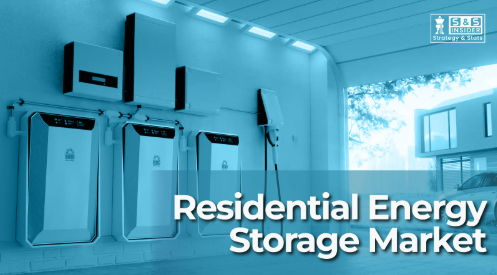
The global energy landscape is undergoing a rapid transformation as households increasingly seek reliable, cost-efficient, and sustainable power solutions. Rising electricity prices, grid instability, and the growing adoption of rooftop solar systems are reshaping how energy is generated and consumed at the residential level. Within this evolving ecosystem, residential energy storage systems are emerging as a critical component that enables homeowners to store excess electricity and use it when demand peaks or outages occur.
The Residential Energy Storage Market size was valued at USD 1.96 billion in 2024 and is expected to reach USD 5.60 billion by 2032, growing at a CAGR of 14.08% over the forecast period of 2025–2032. This strong growth trajectory reflects increasing awareness among consumers about energy independence, resilience against power disruptions, and long-term cost savings. Advancements in battery technology, coupled with supportive policy frameworks and falling system costs, are further accelerating market expansion.
Residential energy storage systems allow homeowners to store electricity generated from renewable sources such as solar panels or draw power from the grid during off-peak hours. Stored energy can then be used during peak pricing periods, power outages, or times of high household demand. This capability enhances energy security while optimizing electricity usage, making storage solutions an attractive investment for modern households.
Market Drivers Fueling Residential Energy Storage Adoption
One of the most influential drivers of the residential energy storage market is the rising penetration of renewable energy, particularly rooftop solar installations. As solar adoption increases, homeowners are looking for ways to maximize self-consumption of generated power rather than exporting excess electricity back to the grid at lower feed-in tariffs. Energy storage systems enable efficient utilization of solar power, improving return on investment and reducing reliance on external energy sources.
Grid reliability concerns are also playing a major role in market growth. Extreme weather events, aging grid infrastructure, and rising electricity demand have increased the frequency of power outages in many regions. Residential energy storage provides backup power during outages, ensuring uninterrupted electricity supply for essential household functions. This reliability factor is becoming increasingly important for homeowners working remotely or relying on electronic appliances.
Technological advancements have significantly improved the performance, lifespan, and safety of residential batteries. Lithium-ion batteries, in particular, have seen rapid cost reductions and efficiency improvements, making them more accessible to a broader consumer base. Smart energy management systems integrated with storage solutions further enhance system performance by optimizing charging and discharging based on usage patterns and electricity pricing.
Government incentives and favorable policies are also contributing to market momentum. Subsidies, tax credits, and net-metering programs encourage homeowners to invest in energy storage systems alongside renewable installations. These initiatives not only lower upfront costs but also support national goals related to carbon reduction and energy transition.
Impact of Sustainability and Consumer Awareness
Environmental sustainability is increasingly influencing consumer decision-making. Homeowners are becoming more conscious of their carbon footprint and are actively seeking solutions that align with clean energy goals. Residential energy storage supports decarbonization by reducing dependence on fossil fuel-based grid power and enabling higher utilization of renewable energy sources.
Additionally, rising electricity tariffs and time-of-use pricing structures are prompting consumers to adopt storage solutions as a cost-control strategy. By storing electricity during low-cost periods and using it during peak hours, households can effectively manage energy expenses. This economic advantage, combined with environmental benefits, is strengthening the value proposition of residential energy storage systems.
Future Outlook of the Residential Energy Storage Market
The future outlook for the residential energy storage market remains highly optimistic. Continuous innovation in battery chemistry, including solid-state and next-generation lithium technologies, is expected to further enhance system efficiency and durability. As manufacturing scales up, costs are likely to decline further, making residential energy storage accessible to a wider demographic.
Integration with smart homes and electric vehicle charging infrastructure will also shape the next phase of market development. Energy storage systems are expected to become central components of intelligent energy ecosystems, allowing homeowners to seamlessly manage electricity generation, storage, and consumption. As digitalization and automation advance, residential energy storage will play a pivotal role in creating resilient, decentralized energy networks.
Conclusion
The residential energy storage market is entering a period of sustained growth driven by renewable energy adoption, grid reliability concerns, technological advancements, and increasing consumer awareness. With the market projected to grow from USD 1.96 billion in 2024 to USD 5.60 billion by 2032 at a CAGR of 14.08%, residential energy storage is set to become a mainstream solution for modern households. As energy systems continue to evolve, residential storage will remain a key enabler of energy independence, cost efficiency, and sustainability.
FAQs
What does CAGR mean in the Residential Energy Storage Market?
CAGR represents the compound annual growth rate, indicating the average yearly growth of the market over the forecast period.
What is the forecast period for the Residential Energy Storage Market?
The market forecast period spans from 2025 to 2032, during which strong growth is expected.
Which factors are driving regional growth in residential energy storage?
Growth is primarily influenced by renewable energy adoption, supportive government policies, grid reliability concerns, and rising electricity costs.