




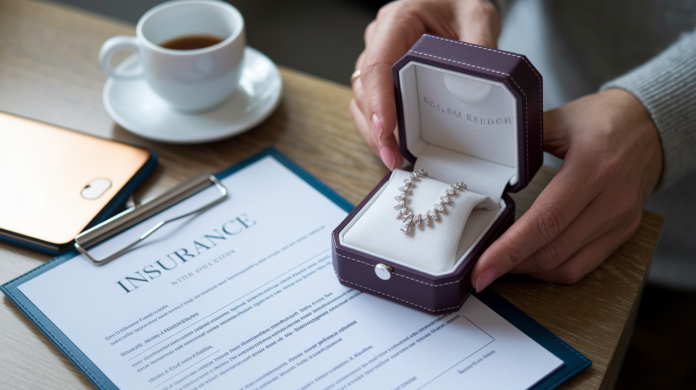
Think your homeowners policy will replace a $15,000 engagement ring?
Think again.
Standard policies often cap jewelry at about $1,500 and exclude accidental damage or mysterious disappearance.
Specialty item insurance fills that gap, covering jewelry, fine art, and collectibles for agreed value, worldwide, and for perils your home policy might not.
This post explains when to schedule items or buy a standalone floater, what specialty coverage really costs, common gotchas, and three quick checks to do before you sign.
Understanding Specialty Item Insurance Coverage

Specialty item insurance protects your most valuable possessions. Jewelry, fine art, collectibles, musical instruments, and other high worth items are covered against risks that standard homeowners or renters policies either exclude or severely limit. Your basic home policy covers general personal property, but it typically caps payouts for certain categories at surprisingly low amounts. Often $1,500 for jewelry theft or $2,500 for firearms and collectibles. If your engagement ring is worth $15,000 or your painting collection is valued at $50,000, that standard coverage leaves a massive gap between what you own and what you can recover after a loss.
Standard homeowners insurance also restricts which perils trigger coverage. Many policies exclude accidental damage, mysterious disappearance, or loss during travel. Common risks for items you wear, display, or transport. Specialty item insurance fills these holes by offering broader protection that follows your valuables wherever they go, covers a wider range of incidents, and replaces items at their actual insured value rather than a capped amount buried in your policy fine print.
This type of coverage matters most when a single item or collection exceeds the sublimits in your home policy, or when the item is irreplaceable and requires agreed value protection. A burglary occurs in the United States roughly every 23 seconds, and the average loss per home burglary exceeds $2,000. Fire departments respond to alarms about every 24 seconds. When high value items are involved, those statistics translate into financial exposure that standard policies can’t cover.
Common items that qualify for specialty coverage include fine jewelry, watches, and engagement rings. Paintings, sculptures, and fine art. Antiques and rare furniture. Collectibles such as coins, stamps, sports memorabilia, and trading cards. Musical instruments used by professionals or serious hobbyists. Designer handbags, furs, and high end fashion items.
How Specialty Item Insurance Works

Specialty item insurance operates on an item by item or collection basis, meaning you declare each valuable piece and its insured amount when you purchase coverage. The policy then protects that specific item against a wide range of perils. Theft, accidental damage, fire, and in many cases mysterious disappearance, regardless of where the loss occurs. Coverage is typically worldwide, so your wedding ring is protected whether it’s lost in your home, at the gym, or on vacation overseas.
Deductibles are often lower than those on standard homeowners policies, and many collectors choose policies with zero deductible for small numbers of high value items. This eliminates out of pocket costs when filing a claim and ensures you recover the full insured amount after a covered loss.
Compensation methods vary by policy type. Replacement cost coverage pays what it would cost today to replace the item with something similar, without deducting for age or wear. Agreed value coverage sets a fixed payout amount upfront. You and the insurer agree on the item’s value when the policy is written, and that’s what you receive if the item is lost or destroyed. Agreed value eliminates disputes over depreciation and market fluctuation, making it the preferred choice for unique or irreplaceable items like vintage watches, original artwork, or signed memorabilia. Many high value jewelry and fine art policies default to agreed value once you provide an appraisal.
Specialty Item Insurance vs. Homeowners and Renters Insurance

Standard homeowners and renters policies impose strict sublimits on categories of personal property. Jewelry is commonly capped at around $1,500 for theft, firearms and electronics at roughly $2,500, and similar restrictions apply to silverware, furs, and coin collections. These limits apply per incident, not per item. So if multiple pieces are stolen in a single burglary, you’re still capped at the policy’s categorical maximum. Scheduling items or purchasing a standalone policy removes those sublimits entirely and insures each item for its full declared value.
The perils covered also differ. Most homeowners policies exclude mysterious disappearance, meaning if your ring slips off your finger and is never found, you likely won’t recover anything unless the item was specifically scheduled. Specialty coverage typically includes mysterious disappearance and accidental damage. Protections that matter when you’re wearing, using, or transporting valuables daily.
Key differences between standard and specialty coverage:
Homeowners policies cap categories at $1,500 to $2,500. Specialty policies insure items individually up to their full appraised or agreed value.
Standard policies often exclude mysterious disappearance and accidental damage. Specialty policies cover both.
Home policies commonly carry $500 to $2,500 deductibles. Specialty policies often allow $0 to $500 or zero deductible options.
Specialty insurers frequently work with certified jewelers, art restorers, and appraisers to repair or replace items, offering faster settlements and expert handling.
Who Needs Specialty Item Insurance

Anyone who owns a single item worth more than the sublimits in their homeowners policy should consider specialty coverage. If your engagement ring, watch, or painting is valued above $1,500 to $2,500, standard insurance won’t cover the full replacement cost after theft or loss. The same applies to collections. Even if individual coins or stamps are modestly priced, an aggregate collection worth $20,000 or $50,000 far exceeds the typical $2,500 cap.
Collectors, musicians, and professionals who rely on high value equipment also benefit from specialty policies. A professional violinist performing with a $100,000 instrument or a photographer carrying $30,000 in camera gear faces risks. Accidental damage, transit loss, theft from a vehicle. Standard policies don’t adequately address these. Scheduling those items or purchasing a personal articles floater ensures that one incident doesn’t eliminate years of investment or end a career.
High net worth individuals, frequent travelers, and anyone who wears or displays valuables regularly should treat specialty insurance as essential rather than optional. The cost of coverage, typically 1% to 3% of an item’s value per year, is small compared to the financial and emotional loss of an irreplaceable heirloom, rare collectible, or custom piece. If losing the item would create a financial hardship or an irreplaceable gap in your collection, you need more than a standard policy’s sublimits.
Policy Options: Scheduled Property vs. Standalone Specialty Policies

You can protect high value items in two primary ways. By scheduling them on your existing homeowners or renters policy, or by purchasing a standalone personal articles floater or specialty policy. Each approach has trade offs in cost, coverage breadth, and administrative simplicity.
Scheduled Personal Property
Scheduling items means adding a personal property endorsement to your current home or renters policy, listing each valuable item by description and insured amount. This is often the most cost effective option when you only need to cover a few pieces. An engagement ring, a watch, or a small art collection. Premiums are typically modest additions to your existing policy bill, and you manage everything under one roof with a single insurer and renewal date. Scheduled items are protected for agreed value or replacement cost (depending on the endorsement terms), and many insurers waive or reduce deductibles for scheduled property. Common items to schedule include fine jewelry, cameras, musical instruments, and furs. This option works well when your needs are straightforward and your insurer offers competitive rates and broad peril coverage through endorsements.
Standalone Personal Articles Policies
A standalone personal articles floater or specialty policy operates independently of your homeowners insurance and is designed specifically for high value or unique items. These policies typically offer broader peril protection. Including mysterious disappearance, accidental damage, and worldwide coverage. And they’re the better choice for serious collectors, professionals, or anyone with items that travel frequently. Standalone policies also allow you to insure items your home insurer won’t cover or caps too low, and they give you access to specialist claims adjusters and restoration networks. Collectors of fine art, rare coins, vintage instruments, or designer handbags often prefer floaters because they can tailor coverage, choose agreed value settlement, and avoid the sublimits and exclusions common in home policy endorsements. Premiums are billed separately, but the flexibility and protection depth often justify the added administrative step.
Costs of Specialty Item Insurance

Premiums for specialty item insurance generally range from about 1% to 3% of the insured value per year, though rates vary widely based on item type, risk profile, location, and security measures. A $10,000 diamond ring might cost $100 to $300 annually to insure, while a $50,000 painting could run $500 to $1,500 per year depending on the insurer and coverage terms. Jewelry and watches often fall toward the higher end of the range because they’re frequently worn and at risk of loss or theft, while fine art stored in a climate controlled home with an alarm system typically costs less to insure per dollar of value.
Several factors influence your premium, and many are within your control. Insurers reward risk reduction measures and penalize higher risk profiles.
Homes with monitored alarms, deadbolts, and surveillance cameras typically qualify for lower rates.
Urban areas with higher theft rates or regions prone to natural disasters may see higher premiums.
Jewelry and electronics are considered higher risk than art or collectibles stored in secure conditions.
Opting for a $500 or $1,000 deductible instead of zero can reduce your annual cost, though many owners of small, high value collections prefer zero deductible coverage to avoid out of pocket loss.
Items kept in a safe or vault cost less to insure than those worn daily or transported frequently.
Appraisal and Documentation Requirements

Insurers require professional appraisals for most high value items before issuing coverage, especially when a single piece is worth $5,000 or more. The appraisal establishes the item’s current market value, authenticity, and condition, and it serves as the basis for agreed value coverage. Jewelry, fine art, antiques, and collectibles all need appraisals from accredited professionals. Gemologists for diamonds and gems, certified appraisers for art, and specialists for coins, stamps, or instruments. Receipts and purchase records can sometimes substitute for appraisals on newer items, but older or inherited pieces almost always require formal valuation.
Appraisals aren’t one time documents. Insurers typically ask you to update appraisals every three to five years to account for market changes, appreciation, or restoration work. A painting bought for $20,000 in 2010 might be worth $40,000 today, and an outdated appraisal leaves you underinsured. Regular reappraisal also protects you from coinsurance penalties. Some policies reduce payouts if your insured amount falls significantly below current value.
Beyond appraisals, maintain a detailed inventory with photographs, serial numbers, certificates of authenticity, and provenance records for collectibles and art. Store digital and physical copies in separate locations. Cloud storage and a fireproof safe. So you can prove ownership and value even if your home is destroyed. When you file a claim, insurers will ask for this documentation along with police reports for theft and repair estimates for damage, and having it organized speeds up settlement.
Claims Process for Specialty Item Insurance

Filing a claim for a high value item follows a structured process designed to verify the loss and determine the appropriate settlement. Understanding the steps helps you act quickly and avoid delays.
Report the loss immediately. Notify your insurer within 24 to 48 hours for theft or as soon as you discover damage. For theft, file a police report and get a copy of the report number.
Gather documentation. Collect your appraisal, receipts, photographs, certificates of authenticity, and any other proof of ownership and value. If the item was damaged, obtain repair estimates from certified professionals.
Submit your claim. Contact your insurer’s claims department, provide all documentation, and answer questions about how the loss occurred. Be specific and honest. Inconsistencies can delay or deny your claim.
Wait for the adjuster. The insurer will assign a claims adjuster, often a specialist in jewelry, art, or collectibles, to review your case. They may request additional information or arrange an inspection.
Review settlement options. Depending on your policy terms, you’ll be offered repair, replacement, or cash settlement. Agreed value policies typically pay the agreed amount minus any deductible, while replacement cost policies pay the cost to replace with a similar item.
Receive payment or replacement. Once the claim is approved, you’ll receive payment or a replacement item. Timelines vary, but specialty insurers often settle straightforward claims within 30 to 60 days.
Settlement types matter. Repair is common for damaged jewelry or art and usually involves insurer approved jewelers or restorers. Replacement means the insurer sources a similar item or pays you to do so, which works well for mass produced goods but can be complicated for unique pieces. Cash settlement pays out the insured or agreed value, giving you flexibility to replace the item or use the funds elsewhere. Agreed value policies are the simplest. You get what you insured the item for, less the deductible, with no depreciation arguments or market value disputes.
Major Providers Offering Specialty Item Insurance

Several national and specialty insurers dominate the market for high value item coverage, each with distinct strengths. Jewelers Mutual is the most recognized name in jewelry insurance, offering standalone policies designed specifically for engagement rings, watches, and fine jewelry. They provide worldwide coverage, typically with no deductible, and work exclusively with certified jewelers for repairs and replacements. Jewelers Mutual is often the first choice for anyone insuring a diamond ring or luxury watch because their claims process is streamlined and their rates are competitive for jewelry specific risk.
Chubb and AIG Private Client Group serve the high net worth market and offer comprehensive specialty coverage for fine art, collectibles, wine, and rare items alongside their home insurance products. Both insurers provide agreed value coverage, access to specialist appraisers and restorers, and white glove claims service. They’re ideal for collectors with significant portfolios or individuals who need exhibition, transit, and loaned item coverage. Premiums are higher than mass market insurers, but the breadth of protection and expertise justifies the cost for serious collectors.
State Farm, Allstate, and Nationwide offer scheduled personal property endorsements and standalone floaters at more accessible price points. These mass market carriers work well for individuals who want to add a few items to their existing home policy without the complexity or cost of a specialty insurer. Their networks are broad, claims processes are familiar, and bundling discounts can reduce overall insurance costs. They’re a solid choice when your needs are straightforward and your items don’t require exhibition or professional use coverage.
Final Words
You saw what specialty item insurance does, the gaps it fixes versus homeowners coverage, and the main policy choices: scheduled endorsements versus standalone floaters.
You also got practical detail on costs, appraisal and documentation needs, how claims are handled, and who should consider extra protection.
If you only do three things: check limits and covered perils, get a current appraisal, and confirm replacement vs agreed-value terms. Specialty item insurance isn’t cheap, but it’s the difference between a small claim and a ruinous loss, and it’s worth it when the item matters.
FAQ
Q: What does specialty insurance cover?
A: Specialty insurance covers high‑value personal items—like jewelry, fine art, collectibles, musical instruments, and expensive electronics—protecting against theft, accidental damage, mysterious disappearance, and losses homeowners policies often limit or exclude.
Q: What is an example of specialty insurance?
A: An example of specialty insurance is a personal articles policy that insures an engagement ring or a rare painting for agreed value, offering broader protection than standard homeowners limits.
Q: What are the 4 types of insurance coverage?
A: The four common types of insurance coverage are property (homes, valuables), liability (legal claims), health (medical bills), and life (death benefit), each covering different risks and financial needs.
Q: How to insure a specific item?
A: To insure a specific item, get a current appraisal and photos, choose scheduled or standalone coverage, pick agreed‑value or replacement cost, submit documentation, and pay the added premium.