
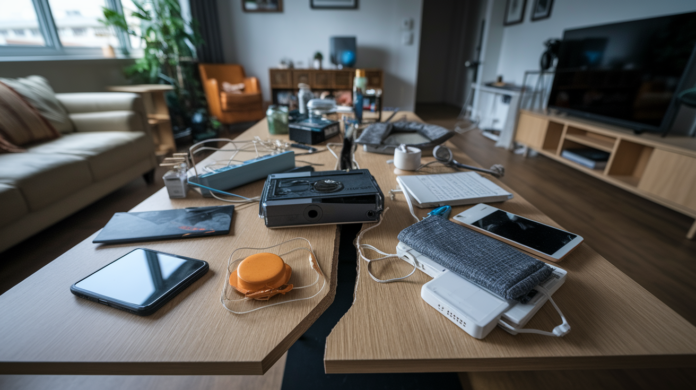
Do you really need accidental damage protection, or is it just another upsell?
Short answer: sometimes, but only if you know what it actually covers and how claims work.
Insurers treat phones, ceramics, and sofas very differently because repair cost, parts, and total loss risk change the outcome.
This post breaks down what gets repaired versus replaced, how payouts are calculated like deductible, depreciation and replacement value, common gotchas at claim time, and who should buy this coverage and who should skip it.
Read this before you sign anything.
Practical Coverage Breakdown: How Accidental Damage Protection Functions Across Different Product Types

Here’s the thing. Policies don’t treat electronics, home items, and furniture the same way because they can’t. The cost to repair, parts availability, and total loss risk are completely different. Electronics like phones or laptops? Insurers usually want them professionally repaired with original manufacturer parts when the damage is contained to one component. Screen or battery. That kind of thing. For bulkier home items like glass coffee carafes, ceramic sinks, or mirrors, replacement’s often the only move because repair costs more than just buying new. Furniture claims fall somewhere between. If your sofa frame’s fine but the upholstery got stained from a spill, some policies will cover professional cleaning or even re-upholstery. But if the frame itself is cracked or warped? You’re looking at a replacement payout.
Repair workflows are category specific, and you’ll see this clearly at claim time. Mobile device add ons typically route you to a partner repair network that uses OEM parts and logs device history to prevent fraud. Home items like broken mirrors or cracked toilets trigger replacement processes. You submit photos, proof of purchase, and the insurer calculates payout based on replacement cost minus depreciation. Or replacement value if you paid extra for that coverage. Furniture repairs depend on material. Leather can often be patched or re-dyed. Fabric may be spot cleaned or re-covered. Solid wood can be refinished. If the insurer decides the item’s unrepairable or the repair cost exceeds 60 to 70% of replacement value, they’ll total it and send a check.
A laptop crushed under a stack of textbooks triggers a motherboard inspection. If only the casing and screen are damaged, expect repair with OEM parts and a 3 to 5 day turnaround through the insurer’s partner network.
A wine soaked sectional sofa prompts a fabric type check. Microfiber or synthetic blends usually qualify for professional extraction and stain treatment, while natural linen or untreated cotton may be deemed unrepairable and trigger replacement.
A shattered ceramic cooktop on a built in range is almost always replaced as a unit. Insurers won’t patch ceramic, and the claim requires matching the exact model or upgrading to a compatible replacement if the original’s discontinued.
A gaming console dropped during a move and no longer powering on may be sent to a certified repair center for diagnostic. If the logic board’s fried, the insurer typically replaces it with a Grade A refurbished unit of the same generation.
A cracked bathroom vanity mirror fixed to the wall falls under home accidental damage, buildings coverage, and is replaced by a contractor chosen by the insurer. They’ll measure, order, and install a similar mirror after you pay your policy excess.
Final Words
Put this into action: coverage works very differently by product. Electronics usually get repaired with original parts; home items are often replaced; furniture needs material-specific handling. Policies decide repair versus replacement, and that choice drives cost.
The five situational examples show how insurers treat carafes, upholstery, consoles, laptops bent by pressure, and VR headsets, so you can see likely outcomes and timelines.
Ask the right questions about fine print. Accidental damage protection can save you money and stress when it matters.
FAQ
Q: What does accidental damage protection cover?
A: The accidental damage protection covers sudden, unintentional physical harm to items — for example shattered phone screens, water immersion, crushed laptops, broken glass carafes, and stained furniture. Coverage varies; check exclusions and claim rules.
Q: Is it worth having an accidental damage cover?
A: The accidental damage cover is worth having when you own costly or easily damaged items, have kids or pets, or want predictable repair costs; weigh premiums and excess against likely replacement expense before buying.
Q: Is pai insurance worth buying?
A: PAI insurance is worth buying if you lack employer or health coverage, do risky work, or travel often; it pays small cash benefits after accidental injury but can duplicate medical/disability cover, so check limits and exclusions.