


Think your agency’s general liability policy covers every ad-related lawsuit?
Think again.
General liability handles physical harm and advertising injury—libel, slander, copyright misuse—while professional liability (E&O) pays for financial losses from bad strategy, missed deadlines, or sloppy reporting.
Insurers often limit advertising injury for media businesses, creating costly gaps.
This piece shows the real coverage differences, the common exclusions that bite agencies, and the exact checks you need so you’re not surprised when a claim lands on your desk.
Key Differences in Liability Coverage for Advertising Businesses
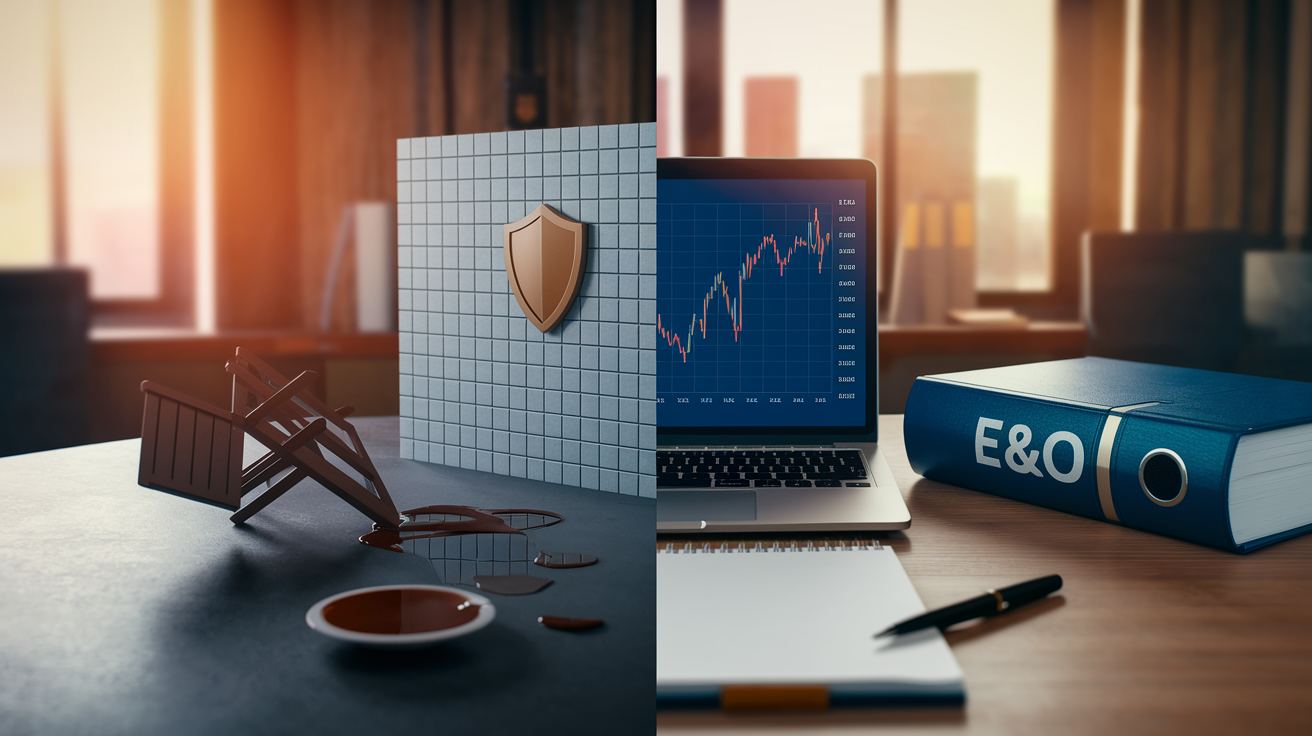
General liability covers third-party claims for bodily injury, property damage, and advertising injury. That last one includes libel, slander, copyright infringement, and misappropriation of advertising ideas. Professional liability covers financial losses caused by negligent advertising services. We’re talking strategy errors, missed deadlines, incomplete work, and breaches of contractual promises. The dividing line? Physical harm and advertising-related reputation damage versus financial damage tied to professional mistakes.
For advertising businesses, both policies often matter. General liability responds when an ad itself causes harm. A defamatory statement, unauthorized use of an image, or a visitor injured at your studio. Professional liability responds when your advice, execution, or reporting causes a client to lose money or fail to meet business goals.
Media firms and advertising agencies face a common trap. Many standard general liability policies exclude or severely limit advertising injury coverage for businesses whose primary work is creating or publishing ads. That exclusion pushes the exposure onto professional liability, which must be purchased separately. Later sections explain Coverage B (the personal and advertising injury portion of general liability), the eight major exclusions that create gaps, and how errors and omissions policies fill those gaps for service providers.
How General Liability Insurance Addresses Advertising Injury Claims
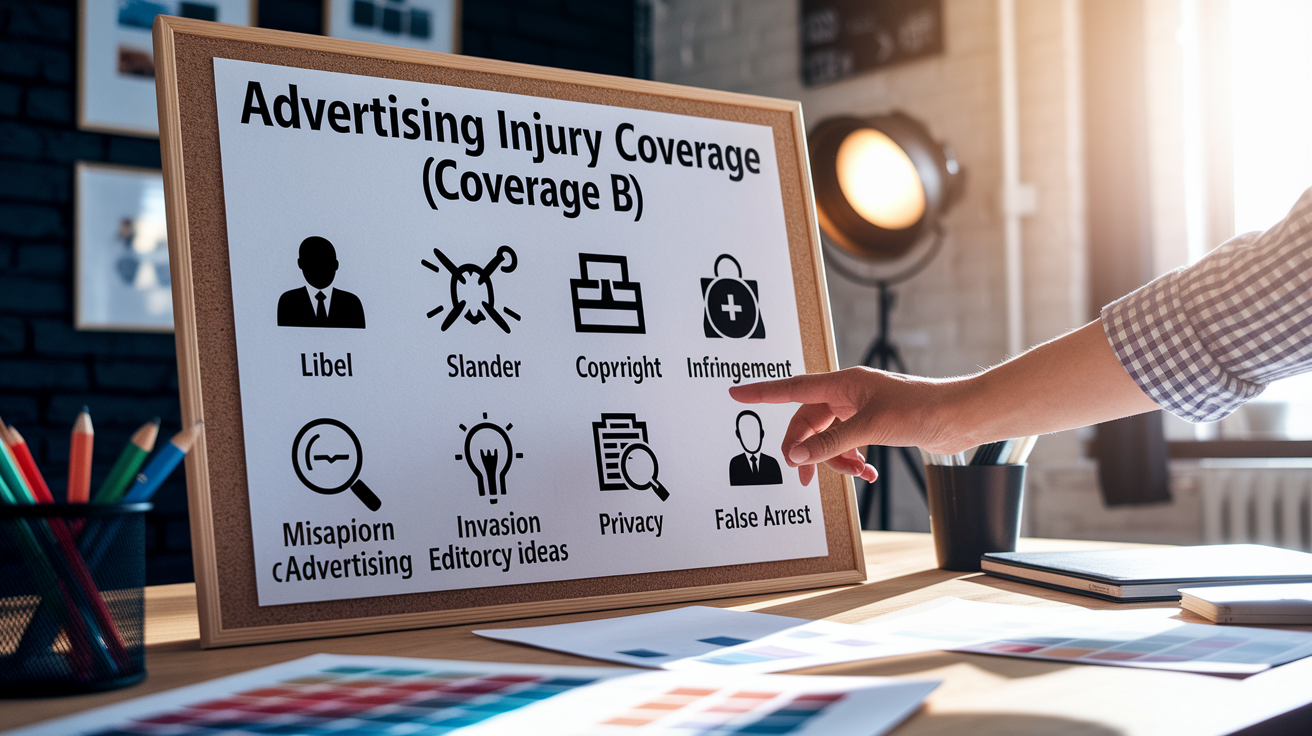
Advertising injury sits inside Coverage B of a commercial general liability policy, labeled “Personal and Advertising Injury Liability.” This coverage pays legal defense costs and damages when your advertisement injures someone’s reputation, violates their privacy, or infringes their intellectual property. It also covers certain personal injury claims unrelated to advertising, such as false arrest or wrongful eviction.
Coverage applies only to offenses committed during the policy period. The material causing harm must have been published or broadcast while your policy was active. Prior publication (ads released before your policy effective date) is excluded.
Six categories of advertising injury typically covered under general liability:
Libel in printed or digital ads. Slander in campaign messaging. Copyright infringement in ad creative. Misappropriation of advertising ideas or style. Invasion of privacy in promotional content. Wrongful eviction or false arrest scenarios (personal injury portion).
How Professional Liability (E&O) Covers Advertising Mistakes
Professional liability insurance, also called errors and omissions or E&O, pays legal defense and settlements when a client alleges your advertising work caused financial harm. The claim might involve missed campaign deadlines, incorrect targeting that wasted budget, analytics errors that led to bad business decisions, or strategic recommendations that failed to deliver promised results. E&O covers alleged negligence, contract breaches, and substandard work. Even when the accusation is baseless.
Unlike general liability, which requires a physical event or advertising injury offense, E&O applies when your professional services create financial loss. A client who claims you mismanaged their ad spend, delivered incomplete reporting, or recommended a campaign strategy that harmed their brand will file a professional liability claim, not a general liability claim. The policy covers defense costs regardless of fault, which matters because defending a lawsuit often costs more than settling it.
Retroactive dates are critical for E&O. Most policies cover only claims arising from work performed after the retroactive date stated on your declarations page. If you switch carriers and the new policy has a retroactive date matching your start date with the new insurer, any claim tied to prior work will not be covered. When buying E&O, confirm that the retroactive date reflects when you first obtained continuous professional liability coverage, not when you switched policies. That protects you against prior acts gaps. Situations where old work triggers a new claim but no policy responds.
Real Advertising Liability Scenarios and Which Policy Responds
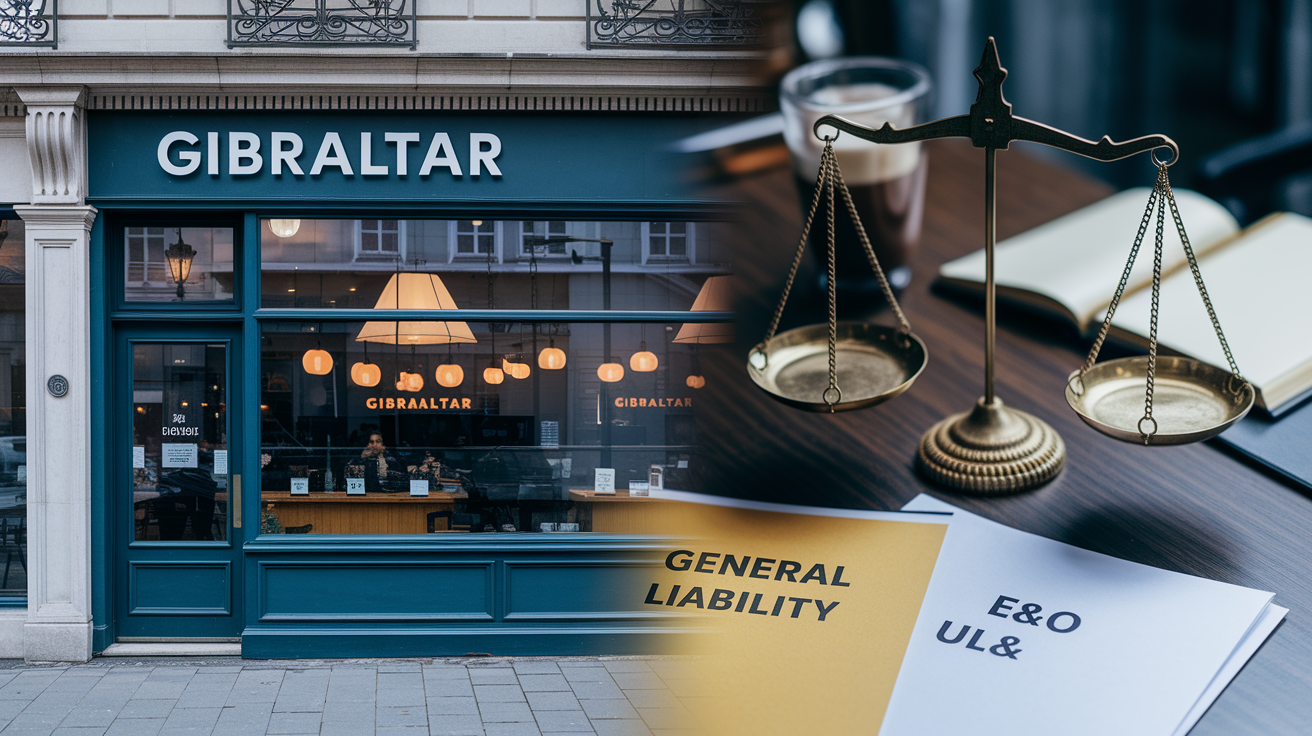
Advertising businesses face lawsuits that blur the line between advertising injury and professional mistakes. A campaign with defamatory content and negligent media buying can trigger both general liability and E&O. Understanding which policy applies helps you carry the right coverage and file claims with the correct insurer.
A small coffee shop opened in early 2020 and by August employed two people. A major coffee corporation sued, alleging exclusive rights to the term “Gibraltar.” The claim fell under advertising injury. General liability provided defense costs and coverage for potential damages, even though the shop had minimal revenue and staff.
A retail security guard detained a shopper suspected of theft. The shopper was innocent. The false arrest claim fell under the personal injury portion of Coverage B, and general liability covered defense and settlement costs.
A commercial landlord increased rent by thirty percent mid lease. The tenant vandalized the unit. The landlord locked the tenant out ten days before lease expiration. The wrongful eviction claim was covered under personal injury, part of Coverage B.
| Scenario | Which Policy Applies | Reason |
|---|---|---|
| Ad names competitor and includes false statement about their product | General Liability | Libel is an advertising injury covered under Coverage B |
| Agency misses campaign launch deadline, client loses seasonal revenue | Professional Liability (E&O) | Financial loss from negligent service performance |
| Freelancer uses stock photo without license in client’s billboard | General Liability | Copyright infringement is an advertising injury |
| Analytics report contains errors, client makes poor budget allocation based on faulty data | Professional Liability (E&O) | Professional mistake causing financial harm |
Advertising-Specific Exclusions That Create Coverage Gaps
Standard commercial general liability policies include eight common exclusions that eliminate or narrow advertising injury coverage. These exclusions are where most coverage disputes happen, and they explain why many advertising businesses need professional liability in addition to general liability.
Intentional or purposeful violations of others’ rights. Coverage doesn’t apply if you deliberately harm someone’s reputation or knowingly infringe their intellectual property.
Publishing material known to be false. If you published a statement while knowing it was false, coverage won’t apply.
Material published before the policy effective date. Ads released or broadcast before your policy started are excluded, even if the claim arrives during the policy period.
Criminal or illegal acts. Standard exclusion. No coverage for unlawful conduct.
Wrong description of prices in advertisements. Pricing errors in ads are excluded from advertising injury coverage.
Product or service performance claims that fail to conform to advertised statements. If your ad promises a result and the product fails to deliver, that claim is excluded.
Media and advertising businesses. Many insurers exclude or severely limit Coverage B for firms whose primary business is creating, publishing, or distributing advertising. This exclusion forces ad agencies and media companies to obtain professional liability.
Ownership or operation of electronic chat rooms or bulletin boards. Standard CGL won’t cover claims arising from hosting or managing online discussion forums.
The media business exclusion is the most significant gap for advertising professionals. If your carrier applies this exclusion, your general liability policy won’t cover advertising injury claims, and you must rely entirely on E&O or a specialized media liability policy.
When Advertising Businesses Need Both Liability Policies
Most advertising firms benefit from carrying both general liability and professional liability because the two policies cover distinct but overlapping risks. An agency that designs creative assets and also provides campaign strategy, media buying, or performance reporting faces both advertising injury exposure and professional mistake exposure. A single lawsuit can allege defamation in an ad and also claim the campaign strategy caused financial loss. Triggering both policies.
Client contracts often require proof of both coverages. Creative agencies working with large brands routinely must provide certificates showing general liability for advertising injury and professional liability for errors and omissions. Without both, the contract may not be signed. Freelancers and consultants face the same requirement when pitching corporate clients or working with agencies that subcontract services.
Combined coverage avoids the gap between physical and financial harm. When one policy excludes a claim, the other often responds. For example, if your general liability applies a media business exclusion, your E&O can still cover libel or slander claims tied to professional work. If your E&O excludes bodily injury, your general liability covers slip and fall incidents at client meetings or on set accidents during a commercial shoot.
Three common situations where both policies are required:
Creative agencies that produce and publish ads for clients. Advertising injury falls under general liability. Strategic or execution errors fall under E&O.
Freelancers offering strategic consulting, copywriting, or campaign management. General liability covers advertising injury. E&O covers professional advice that allegedly harms the client financially.
Media firms purchasing placements for clients. General liability addresses third party injury and limited advertising injury claims. E&O covers media buying mistakes, budget mismanagement, and contractual failures.
Cost Factors and Underwriting for Advertising Liability Policies
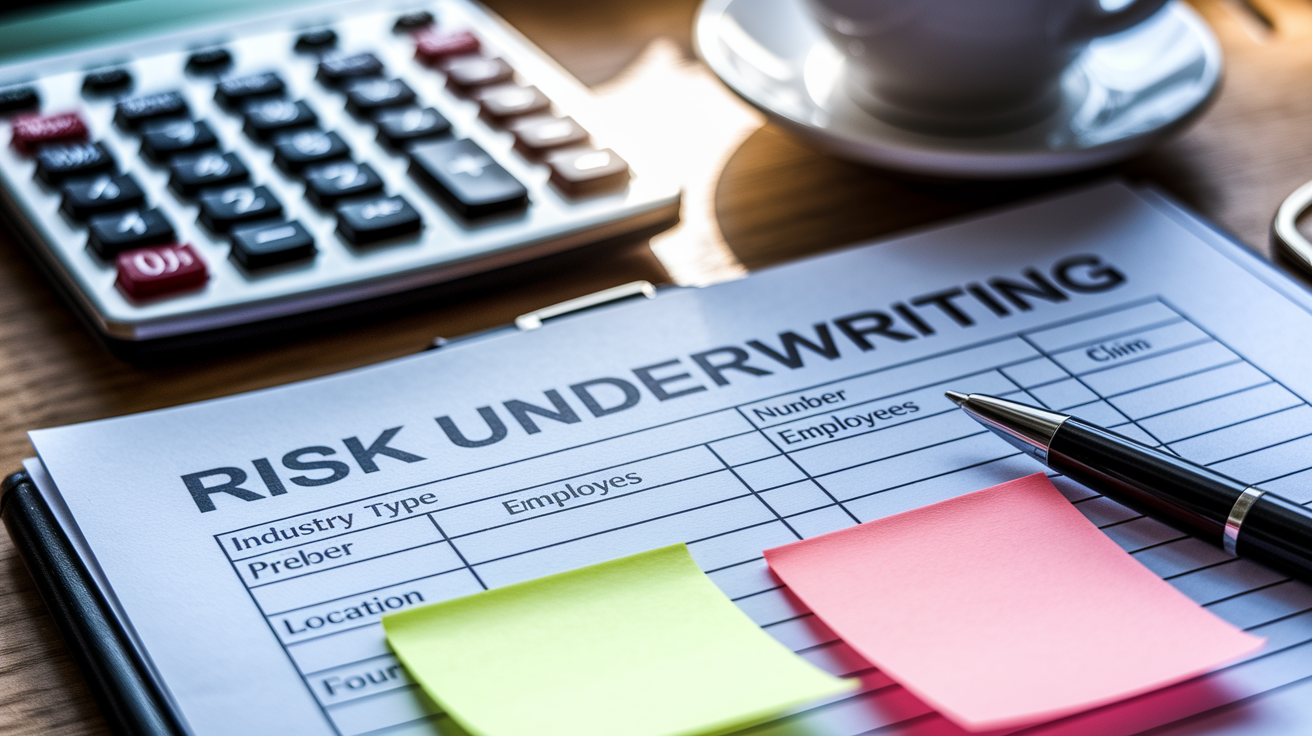
Premium amounts for both general liability and professional liability vary by industry classification, business location, employee count, and claims history. No fixed price applies. Insurers quote each business individually. Coverage is available in forty nine states, and policies can often be bound quickly with a certificate of insurance issued the same day.
General liability premiums are usually lower than professional liability premiums for the same limit, because advertising injury claims tend to be less frequent than bodily injury or property damage claims. Professional liability premiums reflect the higher frequency and severity of financial loss lawsuits in advertising and marketing services.
Four underwriting factors that determine premiums:
Industry type. Agencies specializing in high risk sectors (financial services advertising, healthcare marketing, political campaigns) pay more than general creative studios.
Number of employees. More employees increase exposure. Underwriters scale premiums accordingly.
Prior claims. A history of lawsuits or settlements raises rates. A clean record lowers them.
Business location. State regulations, lawsuit frequency, and jury award trends vary by location and affect pricing.
Choosing the Right Liability Insurance for Advertising Work
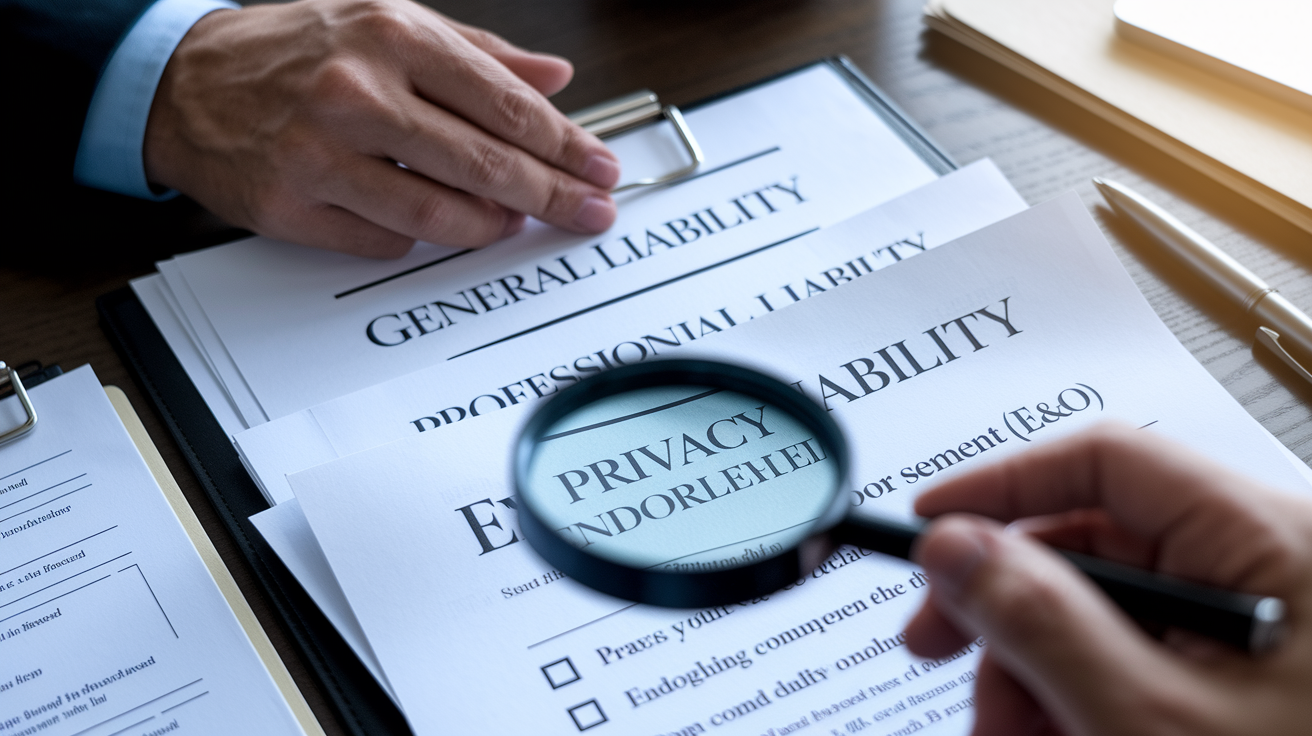
Start by confirming the scope of advertising injury in any general liability policy you consider. Read the policy’s Coverage B definition to verify it includes libel, slander, copyright infringement, and misappropriation of advertising ideas. Then check for exclusions that eliminate coverage for businesses in the advertising or media industry. If that exclusion is present, the policy won’t cover advertising injury claims, and you must obtain professional liability or a specialized media liability policy instead.
Avoid endorsement CG 24 13 unless you fully understand its effect. This endorsement is marketed as limiting exposure for personally identifiable information, but it often includes a broad exclusion for oral or written publication that violates a person’s right of privacy. That exclusion can unintentionally eliminate coverage for routine marketing activities. Before and after photos, testimonials with images, donor recognition, drone footage of events. If the endorsement is already attached, ask the carrier to remove it or confirm in writing which privacy related scenarios remain covered.
Numbered checklist for selecting advertising liability coverage:
-
Confirm the advertising injury definition includes the six categories listed earlier and verify the policy doesn’t exclude media or advertising businesses from Coverage B.
-
Check for CG 24 13 or similar privacy exclusions that broaden the standard personal injury exclusions. Request removal if it creates gaps in needed coverage.
-
Verify the retroactive date on professional liability matches your first continuous E&O coverage, not the date you switched carriers, to avoid prior acts gaps.
-
Ensure policy limits meet or exceed client contract requirements. Many contracts specify minimum limits of one million dollars per occurrence for general liability and one million dollars per claim for E&O.
-
Assess risk by listing the types of advertising work you perform. Ad creation, publishing, media buying, strategic consulting, analytics reporting. Confirm each exposure is covered under either general liability or professional liability without exclusions that eliminate protection.
Final Words
Right away: general liability handles advertising injury (things like defamation or copyright claims), while professional liability or E&O covers service mistakes that cause financial loss. That split is the whole point.
We walked through Coverage B, common exclusions that create gaps, real claim scenarios, when agencies need both policies, and how premiums get set.
When weighing general liability vs professional liability advertising, check for privacy exclusions, retroactive dates, and proper limits. Do that and you’ll have coverage that actually works when it matters.
FAQ
Q: Is general liability the same as professional liability? How is PLI different from general liability?
A: General liability is not the same as professional liability; GL handles advertising injury and third-party bodily/property claims, while professional liability (E&O) covers negligent service errors that cause clients financial loss.
Q: How much is $1,000,000 general liability?
A: The cost for a $1,000,000 general liability policy usually ranges from about $500 to $2,500 a year, based on industry, location, employees, and claims history.
Q: What are the two types of professional liabilities?
A: The two types of professional liabilities are errors and omissions (E&O) for mistakes in services, and malpractice (professional negligence) for licensed professions like doctors or lawyers.