




Think your ad can’t get you sued? Think again.
Advertising injury coverage steps in when marketing causes non-physical harm, like libel, copyright or trademark use in ads, invasion of privacy, false advertising, and similar claims.
It pays legal defense and settlements up to your limit, and it’s often buried inside your general liability policy.
This is where people get burned.
This post shows what counts as a covered claim, common gotchas and exclusions, real-case costs, and the three things to check before you run your next campaign.
Core Coverage Components Included in Advertising Injury Protection

Advertising injury coverage protects businesses when their marketing activities cause reputational, privacy, or intellectual property harm to others. It’s different from bodily injury or property damage coverage. This one handles non-physical harms that come from how you promote your business. What you say, what images you use, how you describe your products or competitors.
You’ll typically find this coverage inside your commercial general liability policy under Coverage B, labeled “personal and advertising injury.” It pays for legal defense costs and settlements or judgments when someone files a covered claim against you.
The point is simple: shield your business from lawsuits triggered by common marketing mistakes. Using someone else’s copyrighted photo in a social media ad, making a false claim about a competitor’s product, accidentally publishing private customer information, copying another company’s tagline. These things happen more often than most business owners expect, especially as marketing moves online and spreads across platforms where mistakes are easy to make and hard to undo.
Coverage typically includes eight categories of offenses:
Libel (written or published false statements that harm someone’s reputation), slander (spoken defamatory statements), copyright infringement in your advertisements (using protected images, videos, or text without permission), trademark or trade dress infringement in your advertisements (using another company’s logo, brand name, or recognizable packaging), misappropriation of advertising ideas (copying another business’s unique marketing concept or campaign), invasion of privacy (unauthorized use of someone’s name, likeness, or private information in your marketing), false advertising statements (making untrue claims about your own or a competitor’s products or services), and wrongful eviction or wrongful entry when included under combined personal and advertising injury.
Here’s how it looks in practice. A boutique marketing agency designed a promotional flyer using a stock photo they thought was free to use. But the photographer had only licensed it for personal projects. The photographer sued for copyright infringement, and the agency’s CGL policy covered the $22,000 settlement and $18,500 in legal fees. That saved the small agency from a bill that could’ve forced them to close.
Key Advertising Injury Examples and How Claims Commonly Arise

Claims under advertising injury coverage usually start with something that seemed harmless at the time. A social media post, a website comparison chart, an email campaign, even a customer testimonial. The problem is that once the content is published, it can trigger a lawsuit before you have a chance to correct it.
Defense costs alone can range from $10,000 to $75,000 even if the claim never goes to trial. Settlements or verdicts frequently fall between $25,000 and $250,000 depending on the severity of the harm and the plaintiff’s documented losses.
Copyright infringement claims are among the most common advertising injury disputes. They often result in statutory damages that can reach tens of thousands of dollars per infringed work, even if the business made no profit from the image or song. False advertising claims and regulatory actions can also generate six-figure costs when the alleged misrepresentation affects a large customer base or violates specific consumer protection statutes.
Four real-world scenarios where advertising injury claims frequently arise:
Defamatory comparison ads. A local restaurant posts a Facebook ad claiming a competitor’s kitchen “failed three health inspections last month” when in fact the competitor had passed all inspections. The competitor sues for libel, and the restaurant’s insurer pays $32,000 in defense costs and a $45,000 settlement.
Copyright protected image used without license. An e-commerce retailer downloads a professional photo from a blog and uses it in an Instagram ad campaign. The photographer files suit for copyright infringement, resulting in a $28,000 settlement plus $14,000 in legal fees.
Invasion of privacy from marketing materials. A gym emails a promotional newsletter that accidentally includes a spreadsheet showing members’ full names, email addresses, and weight loss progress. Two members sue for invasion of privacy, leading to a $55,000 combined settlement.
False advertising on websites or social media. A supplement company claims its product “cures chronic pain” without FDA approval or clinical evidence. A competitor files a false advertising suit, and the insurer covers $68,000 in defense costs before the case settles for $90,000.
How Coverage Works Under a CGL Policy for Advertising Injury

Advertising injury coverage has been included in the standard ISO commercial general liability form since 1998 under Coverage B. When a covered claim is filed, your insurer has two obligations: to pay damages you’re legally required to pay (up to your policy limit) and to defend you in any lawsuit or “suit” that alleges a covered offense.
The duty to defend is often broader than the duty to pay. Insurers must provide a legal defense even if some of the allegations fall outside coverage, as long as at least one claim could potentially be covered.
Policy limits for advertising injury usually mirror your general aggregate and per occurrence limits. A typical small business CGL might carry $1,000,000 per occurrence and $2,000,000 aggregate. That means the insurer will pay up to $1 million for any single advertising injury claim and up to $2 million total for all covered claims during the policy period.
One critical detail to confirm is whether your policy pays defense costs inside or outside these limits. If defense costs are paid inside the limit, every dollar spent on lawyers reduces the amount available to settle or pay a judgment. So a $1 million limit might shrink to $700,000 after $300,000 in legal fees.
| Limit Type | Typical Amount | Notes |
|---|---|---|
| Per-occurrence limit | $1,000,000 | Maximum the insurer will pay for one advertising injury claim, including defense and settlement/judgment |
| General aggregate limit | $2,000,000 | Maximum the insurer will pay for all advertising injury claims during the policy year |
| Defense inside vs. outside limits | Varies by policy | If defense is “inside,” legal costs reduce your available coverage; if “outside,” defense costs are paid separately and do not erode limits |
Most policies state that the offense must occur during the policy period and arise out of your business operations in the coverage territory, typically the United States, its territories, Puerto Rico, and Canada. If your advertising campaign runs internationally or you market across state lines, confirm with your agent that your territory and policy period align with your actual exposure.
Common Exclusions That Limit What Advertising Injury Coverage Includes

Even when your policy includes advertising injury coverage, not every marketing related lawsuit will trigger protection. Insurers write exclusions to avoid covering intentional harm, non-advertising disputes, and risks that belong under other types of policies.
The most frequent reason a claim is denied is that the insured knew the statement was false or the act was deliberate. Courts and policy language consistently exclude coverage for knowing or intentional violations of others’ rights.
Another major gap is breach of contract. If you promise a client you’ll only use their testimonial in one region and then publish it nationwide, the resulting lawsuit is a contract dispute, not an advertising injury claim. Similarly, if your marketing materials infringe a patent (rather than a copyright or trademark in an ad), that category of intellectual property is typically excluded from CGL policies and requires separate IP or errors and omissions coverage.
Common exclusions include:
Intentional or knowing violations of another party’s rights, criminal acts or fraudulent conduct, breach of contract claims (failure to honor advertising agreements, licensing terms, or content use restrictions), patent infringement (excluded from most CGL forms), copyright or trademark infringement that doesn’t occur in or arise from your “advertisement” (like copying a competitor’s manufacturing process), and privacy violations and data breaches covered under cyber liability policies (such as hacking, ransomware, or failure to protect stored customer data).
Make sure you read your policy’s definition of “advertisement.” Many policies define it narrowly as material designed for widespread public dissemination to attract customers. So a one on one sales pitch or an internal email to a potential client may not qualify, and claims arising from those communications may fall outside coverage.
Distinguishing Advertising Injury Coverage From Related Liability Protections

Advertising injury coverage addresses a specific slice of risk: harm caused by your marketing and advertising activities that falls into one of the enumerated offense categories. It doesn’t cover bodily injury, property damage, or professional mistakes unrelated to advertising content. Understanding where advertising injury stops and other policies begin is essential to avoid gaps that leave you exposed.
Media liability policies are broader. They typically cover publishers, broadcasters, content creators, and digital platforms for risks like editorial errors, plagiarism across all content (not just ads), and IP infringement in non-advertising contexts. If you run a blog, podcast, or video channel where you publish original content beyond traditional ads, a media liability policy may be a better fit than relying solely on CGL advertising injury coverage.
Professional liability (errors and omissions) insurance covers negligent advice, failure to deliver promised services, and other professional mistakes. None of which are advertising injuries. Cyber and privacy policies handle data breaches, network security failures, and unauthorized access to customer information, which are distinct from advertising related privacy violations like using someone’s photo without permission in a marketing email.
One technical distinction to note. Advertising injury is offense triggered, not occurrence triggered. That means coverage depends on whether the alleged act fits one of the listed offenses (libel, copyright infringement in ads, etc.), not whether the incident was accidental or unintentional. Some personal injury coverages in homeowners or umbrella policies are occurrence based, so always check the exact wording of your policy to understand what triggers coverage.
Understanding the Advertising Injury Claims Process

Most advertising injury claims begin long before a lawsuit is filed. You might receive a cease and desist letter from a photographer whose image you used, a demand letter from a competitor alleging defamation, or a notice from a regulatory agency questioning the accuracy of your product claims. Even if the dispute never escalates to court, you should report it to your insurer immediately. Early notice preserves your right to coverage and allows the insurer to investigate and, if necessary, appoint defense counsel before costs spiral.
Once you report a potential claim, the insurer will evaluate whether the dispute qualifies as a “suit” under the policy. Court rulings, including Foster-Gardner (1998), clarify that not every dispute is a suit. Administrative orders or informal complaints may not trigger the duty to defend. However, formal legal proceedings, arbitration demands, and certain adjudicative actions can qualify.
If the insurer believes some allegations may fall outside coverage but others could be covered, they’ll often issue a reservation of rights letter. This allows them to defend you while reserving the option to deny coverage for specific claims later.
Here’s the typical workflow once a claim is submitted:
Notice to insurer. You report the claim, complaint, or lawsuit as soon as you become aware of it, providing all relevant documents (demand letters, court filings, marketing materials in question).
Insurer review. The claims team examines the allegations to determine if they describe a covered offense (libel, copyright infringement in ads, etc.) and whether any exclusions apply (intentional acts, breach of contract, etc.).
Duty to defend decision. If at least one allegation could potentially be covered, the insurer assigns defense counsel and begins paying legal fees. If no covered allegations exist, the insurer may issue a coverage denial.
Investigation and defense. Defense counsel gathers evidence, deposes witnesses, and negotiates with the plaintiff while the insurer monitors costs and evaluates settlement options.
Resolution. The claim resolves through settlement, judgment, or dismissal. The insurer pays covered defense costs and any settlement or judgment up to the policy limit, and you pay any uncovered amounts or amounts exceeding the limit.
Understanding this process helps you act quickly when a claim arises and reduces the risk of waiving coverage due to late notice or failure to cooperate with the insurer’s investigation.
Expanding or Strengthening Advertising Injury Protection Through Endorsements

Standard CGL advertising injury coverage is a solid foundation, but it’s not designed to cover every marketing risk a modern business faces. If you operate in industries with high IP exposure, advertise internationally, or run co-marketing campaigns with other brands, you may need endorsements or standalone policies to fill gaps left by the base CGL form.
Media liability endorsements or standalone media liability policies extend coverage beyond the narrow “advertisement” definition in a CGL. They typically cover editorial content, social media posts, blogs, podcasts, and video content, as well as broader intellectual property claims and accusations of plagiarism. Some endorsements also add coverage for false light claims (a privacy tort similar to defamation) and unauthorized use of a person’s name or likeness outside traditional advertising contexts. If your business depends on influencer partnerships or user generated content, these extensions can be critical.
Common endorsements that strengthen advertising injury protection include:
Broader IP coverage endorsements (extend copyright and trademark protection beyond strict “advertisement” definitions), media liability extensions (cover editorial content, blogs, social media, and non-advertising publications), false advertising protection riders (fill gaps where base policies limit or exclude certain false advertising claims), and additional insured endorsements for co-marketing partners (protect joint venture partners, retailers, or distributors named in your campaigns).
Work with your broker to identify whether your advertising crosses state or international borders. Many base CGL forms limit coverage to U.S. operations, so you may need an international extension if you run ads targeting foreign markets or use global platforms.
Risk Management Practices to Prevent Advertising Injury Claims

The best way to manage advertising injury risk is to stop claims before they start. Most disputes arise from avoidable mistakes: using an image without checking the license, failing to fact check a comparison claim, or publishing customer testimonials without written consent. A disciplined pre-publication review process and a few operational safeguards can eliminate the majority of high risk exposures.
Start by treating all third party content (images, videos, music, testimonials, logos, slogans) as protected intellectual property until you confirm otherwise. Free stock photo sites often have confusing or limited licenses. Always read the terms and save proof of the license. If you hire freelancers or agencies to create content, make sure your contract includes an indemnity clause and a representation that all materials are original or properly licensed.
Train employees, especially those managing social media, on defamation risks. Even an offhand comment about a competitor or a former employee can trigger a lawsuit.
Five practical safeguards include:
Require legal or compliance review for any ad that names a competitor, makes performance claims, or uses before and after images. Maintain a library of licenses, permissions, and model releases for every piece of third party content in your marketing materials. Use watermarked or clearly attributed images during draft stages, and replace them only after confirming you own the rights or hold a valid license. Implement annual marketing audits to identify outdated claims, lapsed licenses, or high risk content still circulating on old landing pages or social profiles. Establish a written social media policy that prohibits employees from making defamatory statements, sharing unverified claims, or posting about competitors without approval.
These steps aren’t expensive, but they require discipline and a culture of caution. The time spent clearing a single image or fact checking a claim is trivial compared to the cost of defending a lawsuit.
Checklist for Evaluating Your Advertising Injury Coverage Needs
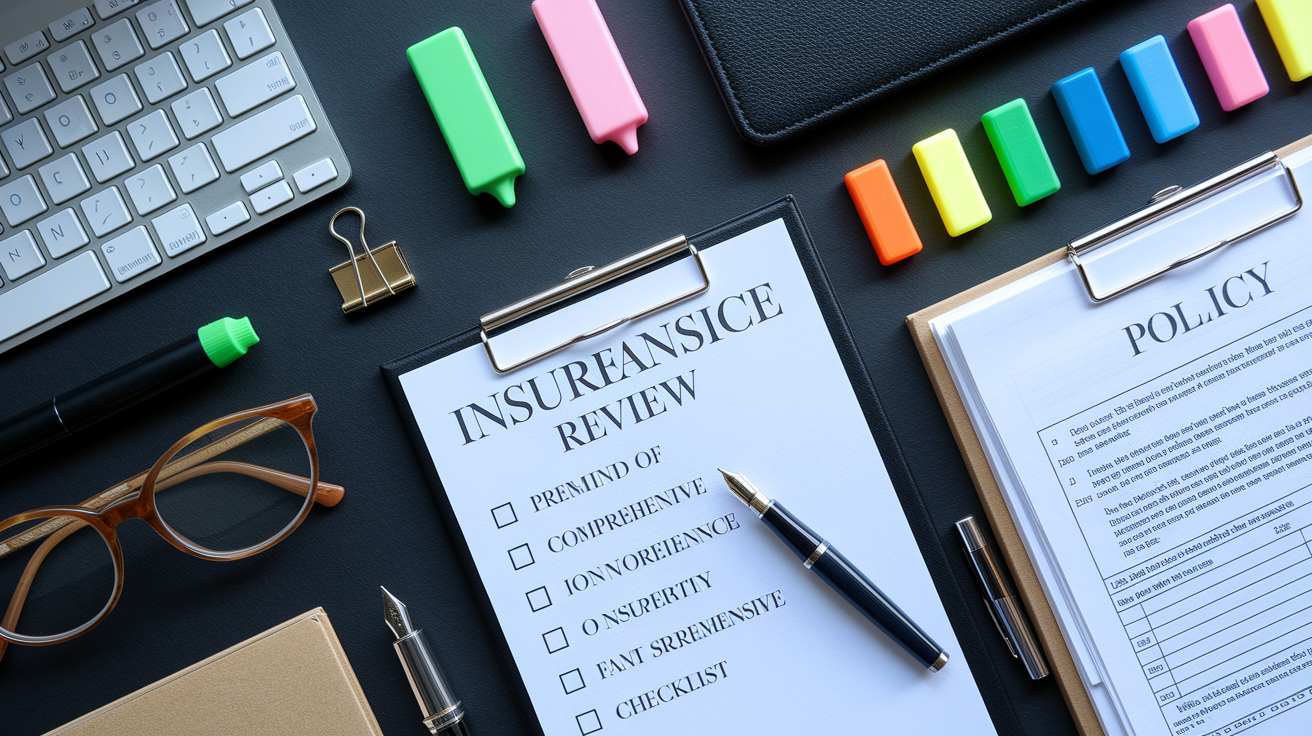
Your advertising injury protection should evolve as your business grows and your marketing becomes more sophisticated. What worked when you had a single website and a local print ad may leave dangerous gaps once you launch social media campaigns, hire influencers, or expand into new markets. An annual coverage review ensures your limits, exclusions, and endorsements still match your real world exposure.
Use this checklist to evaluate whether your current coverage meets your needs:
Confirm that advertising injury (or personal and advertising injury) is explicitly included in your CGL policy and review the exact list of covered offenses in your policy’s definitions section.
Verify your per occurrence and aggregate limits (common structures are $1,000,000 per occurrence and $2,000,000 aggregate) and compare them to the potential cost of a single claim in your industry. If you operate in high litigation sectors or use influencer marketing, consider higher limits.
Review all exclusions in detail, paying special attention to intentional acts clauses, “advertisement” definitions, and carve outs for intellectual property not related to advertising.
Determine whether defense costs are paid inside or outside your policy limits, and if inside, calculate whether your limits would still be adequate after legal fees.
Identify gaps in coverage for risks like false advertising, international campaigns, user generated content, or co-marketing partnerships, and ask your broker about endorsements or standalone policies to address those exposures.
Schedule an annual meeting with your insurance advisor to review new marketing channels (TikTok, podcast sponsorships, affiliate programs), recent claim trends in your industry, and any regulatory changes that affect advertising standards in your market.
Final Words
We ran through the essentials: what this protection covers, real claim examples, how it sits inside a CGL, typical exclusions, how claims play out, endorsements, and simple risk controls.
Bottom line: this is for non‑physical harms—libel, slander, copyright and trademark issues in ads, privacy hits, and misappropriation—and it usually pays defense costs and settlements. Limits and exclusions make a big difference.
If you still need clarity on what does advertising injury coverage include, use the checklist, confirm defense-cost wording, and get written answers from your broker. You’ll be better off when a claim comes.
FAQ
Q: What is considered an advertising injury?
A: The advertising injury is non‑physical harm from your advertising—like libel, slander, copyright or trademark infringement, misappropriating ad ideas, invasion of privacy, or false advertising, plus related legal defense costs.
Q: What is not covered under personal and advertising injury?
A: What is not covered under personal and advertising injury is deliberate or knowing acts, patent or non‑advertising IP claims, breach of contract, criminal conduct, bodily injury or property damage, and data‑breach/privacy failures.
Q: What is the hardest injury to prove?
A: The hardest injury to prove is reputational harm (defamation or business disparagement) because claimants must show a false statement, the publisher’s fault, and measurable economic or reputation loss tied to the ads.
Q: What is covered under personal and advertising injury liability in an ISO BOP?
A: The personal and advertising injury liability in an ISO BOP covers libel and slander, copyright and trademark infringement in ads, invasion of privacy, misappropriation of advertising ideas, false advertising, and related defense costs, subject to policy exclusions.