





Think your homeowners policy will cover everything that goes wrong?
Most standard policies don’t — floods, earthquakes, long-term water damage, mold, pests, and routine maintenance problems are commonly excluded.
That gap can cost you tens of thousands when a basement floods, termites wreck a wall, or a slow leak breeds mold.
This post runs through the exclusions that actually cause claim denials, who is most exposed, and the simple checks and add-ons that stop a small problem from turning into a financial disaster.
Essential Homeowners Insurance Exclusions Every Owner Should Understand
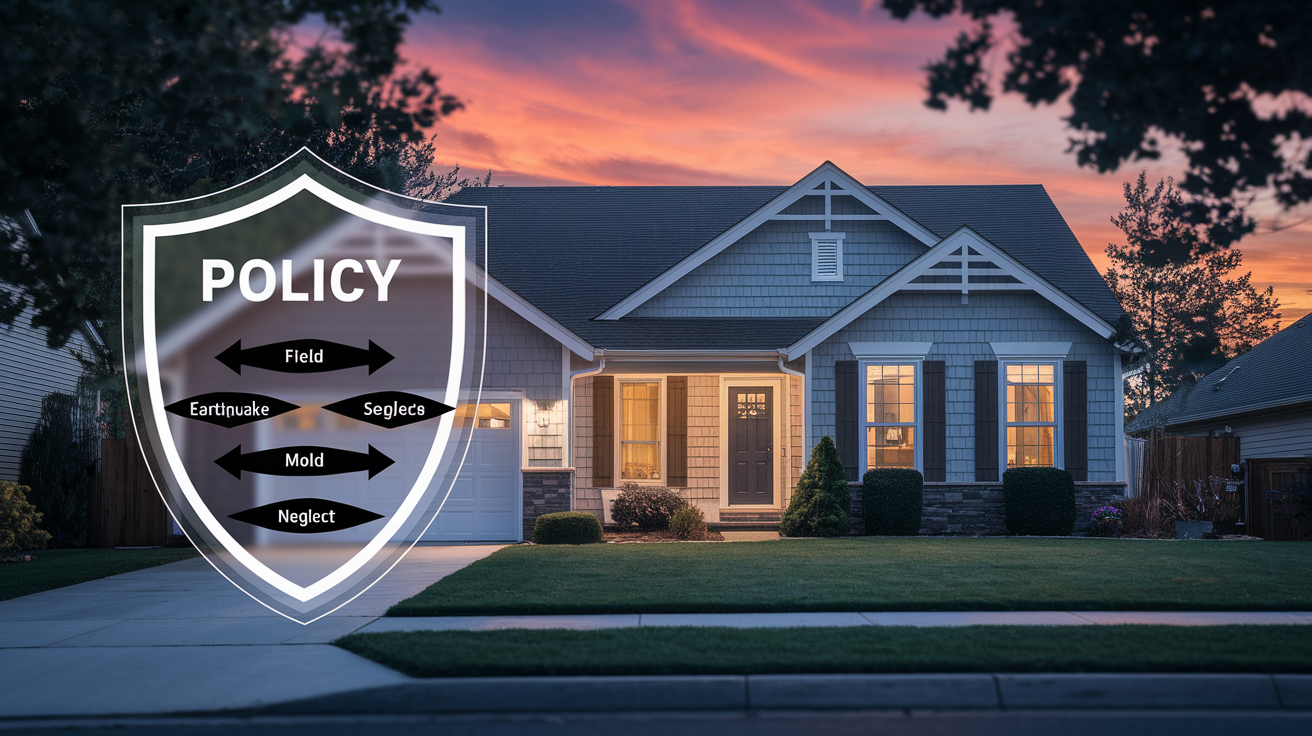
Your standard homeowners policy covers sudden accidents. Fire, theft, certain liability claims. It doesn’t cover maintenance problems, most water damage, or big disasters like earthquakes and floods. Insurers exclude these because they can’t price widespread catastrophes into regular policies without making premiums impossible or going broke when something major hits.
Knowing what’s excluded matters because the gaps can cost you tens of thousands. A flooded basement after a storm, termite damage found during a sale, mold from a slow leak. All of these can get denied if you think “homeowners insurance” means “everything that happens to my house.” It doesn’t.
Here’s what most standard policies exclude:
- Floods and rising water
- Earthquakes and ground movement
- Mold and rot from ongoing moisture
- Pest infestations and termite damage
- Sewer and drain backups
- Regular maintenance and wear
- Neglect and failure to keep things up
- Government action or code enforcement
Flood and Water-Related Homeowners Insurance Exclusions Explained

Flooding gets excluded from every standard homeowners policy. That’s water rising from the ground, flowing across the surface, backing up through drains. It includes water seeping through basement walls during storms or when snow melts. The National Flood Insurance Program offers separate policies with building coverage up to $250,000 and contents up to $100,000, but there’s a 30-day wait before it kicks in.
Sewer and sump pump backups? Also excluded unless you buy an endorsement. Those usually run $50 to $200 a year and give you limits between $5,000 and $25,000. Gradual water damage from a slow leak, condensation, or bad drainage almost always gets denied because insurers call it maintenance or neglect.
Water exclusions you’ll see:
- Surface water or flooding from storms
- Groundwater seeping into basements
- Sewer or drain backup without an endorsement
- Water from long-term roof or plumbing leaks
- Damage from not fixing known problems
Real example: Someone in a low-lying area had storm flooding that caused $60,000 in basement damage. Standard policy denied it because flooding’s excluded. Without a separate NFIP or private flood policy, they paid everything out of pocket.
Earth Movement, Earthquake, and Ground-Shift Exclusions in Homeowners Insurance

Standard policies exclude all earth movement. Earthquakes, landslides, mine subsidence, mudflows, sinkholes in most states. Insurers exclude these because the damage can be massive and hit thousands of homes in the same area at once. One earthquake can generate billions in claims, and regular pricing doesn’t account for that.
Want earthquake coverage? You need a separate policy or endorsement. These typically come with percentage deductibles instead of flat amounts. Common deductibles run 10% to 20% of your dwelling coverage. That math changes things fast. On a home insured for $300,000, a 15% earthquake deductible means you pay the first $45,000 before insurance covers anything. If the quake causes $120,000 in damage, you’re covering more than a third yourself. You can choose a lower percentage deductible to reduce your exposure, but your premium goes up.
Maintenance, Wear-and-Tear, and Neglect Exclusions Homeowners Commonly Miss
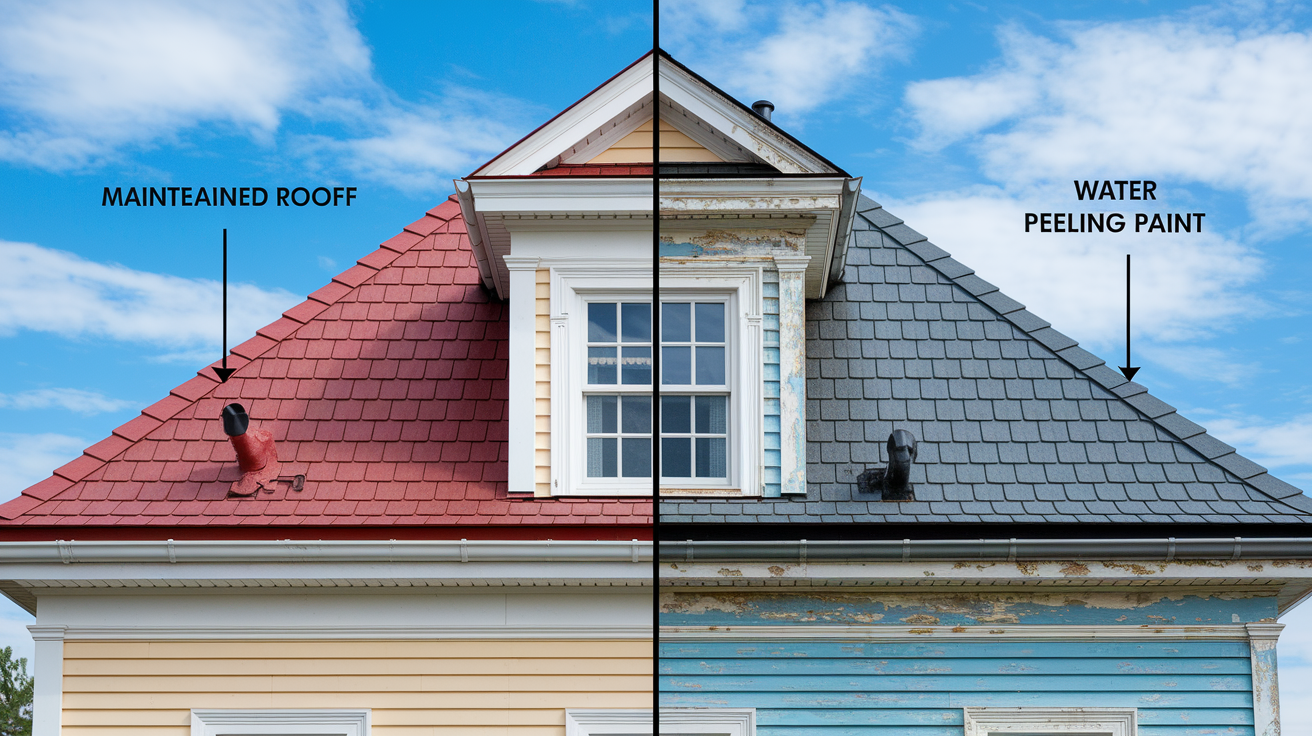
Insurers expect you to maintain your home. Routine wear, aging parts, gradual damage. All excluded because they’re predictable and you can prevent them. A 20-year-old roof that fails, a slow plumbing leak ruining drywall, rotted deck wood. None of that gets covered. Insurance is for sudden accidents, not putting off repairs.
Neglect’s also excluded. If you know about a problem and don’t fix it, and that problem causes more damage, the claim gets denied. Mold remediation costing $10,000 after a long-term leak might get denied if the leak was neglect or you waited too long. Insurers look at maintenance records, repair receipts, inspection reports when they evaluate claims. If they see a pattern of neglect, they’ll deny the claim and might cancel your policy.
Inspections help. Most experts say schedule roof, plumbing, and HVAC checks every year. Replace a roof near the end of its life, fix small leaks before they spread, document repairs with photos and receipts. This stuff prevents denials.
Maintenance failures that lead to denials:
- Roofs past their lifespan (usually 15 to 25 years depending on material)
- Long-term plumbing leaks causing water damage or mold
- Not winterizing pipes in cold areas
- Ignoring visible cracks, rot, or pest problems
Mold, Rot, and Long-Term Moisture Exclusions Every Homeowner Should Review

Mold’s excluded unless it comes from a sudden, covered event. Storm tears your roof and rain gets in? Mold from that water might be covered. Mold from a slow leak you ignored for months? Won’t be. Long-term moisture, neglected roof leaks, flood-related mold. Typically excluded unless you’ve bought a mold remediation endorsement.
Some insurers offer mold endorsements, but they’re not standard and they come with limits. Even with one, you’ll face caps on remediation costs and strict requirements to report water damage fast. Coverage usually only applies if the water source was sudden and accidental, not gradual or maintenance-related.
Common mold denial scenarios:
- Mold from a slow plumbing leak over several months
- Mold in a basement from poor drainage or repeated seepage
- Mold after a flood (floods are excluded, so flood mold is too)
Pest, Termite, and Infestation Exclusions in Standard Homeowners Insurance

Pests count as maintenance. Termites, rodents, bedbugs, carpenter ants, other infestations. Excluded. If termites cause $20,000 in structural damage, you pay for repairs and treatment. Routine pest control and termite inspections are on you, and insurers expect you to handle them before damage happens.
There’s one narrow exception. If an infestation causes a covered problem, that resulting damage might be covered. Mice chew through wiring and start an electrical fire? The fire damage is typically covered even though the infestation isn’t. But finding termite damage during a home sale or renovation won’t get you coverage. Visible, preexisting damage almost always gets denied. Hidden termite damage causing a sudden structural collapse might be covered in rare cases, but most policies require the collapse to be “sudden and accidental,” and long-term termite activity doesn’t fit.
Personal Property Sub-Limits and High-Value Item Exclusions Homeowners Overlook

Standard policies cap payouts for certain personal property. Jewelry, art, collectibles, firearms, electronics often face sub-limits between $1,000 and $2,500 unless you schedule them separately. If your jewelry’s worth $15,000 and you have a covered loss, you might get only $1,500 without a scheduled personal property endorsement.
Scheduling items means listing them individually on your policy, providing appraisals or receipts, paying extra premium. Scheduled personal property endorsements typically cost $50 to $300 or more per year depending on value and item type. The benefit? Agreed-value coverage. The insurer pays the scheduled amount without depreciation, and coverage often extends worldwide.
| Category | Typical Sub-limit | Solution |
|---|---|---|
| Jewelry | $1,000–$2,500 | Scheduled personal property endorsement |
| Art and collectibles | $1,000–$2,500 | Fine arts floater or scheduled property endorsement |
| Firearms | $2,000–$2,500 | Scheduled personal property or separate firearms policy |
Liability and Dog-Related Exclusions That Affect Many Homeowners
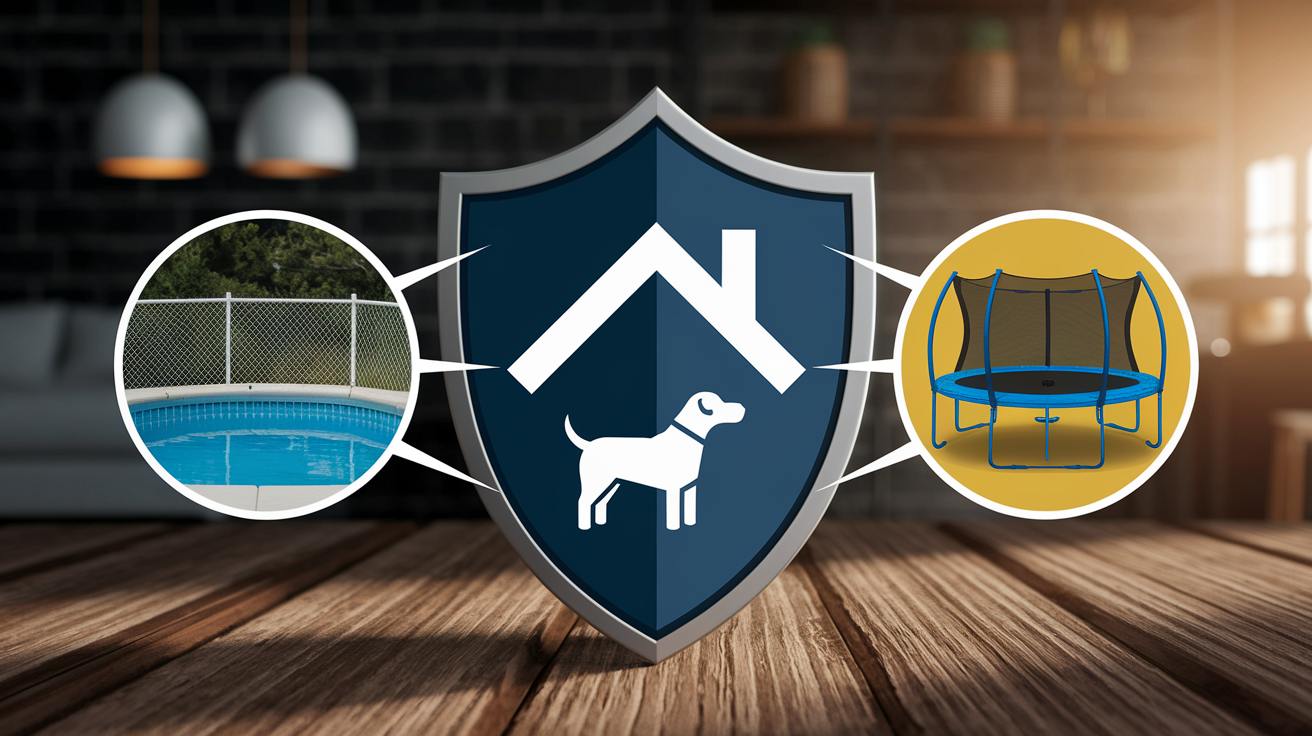
Some insurers exclude liability claims for certain dog breeds. Pit bulls, German shepherds, rottweilers, wolf-dog hybrids. Commonly excluded or surcharged. If your dog bites someone and your breed’s excluded, you pay legal fees, medical bills, any settlement or judgment out of pocket. Even if your insurer doesn’t exclude the breed outright, one bite claim can lead to non-renewal.
Swimming pools and trampolines also raise liability red flags. Some insurers exclude pool-related injuries or require extra liability limits and safety features like fencing and covers. Trampolines get excluded or limited by many carriers because injury rates are high. Umbrella policies can add liability protection, typically offering $1 million extra starting around $150 to $300 per year.
Liability exclusions you’ll see:
- Injuries from excluded dog breeds
- Pool accidents without proper safety equipment
- Trampoline injuries
- Intentional acts or criminal activity by the insured
Business, Rental, and Home-Based Work Exclusions Hidden in Many Policies

Business activity at home usually gets excluded from homeowners policies. Run a business from home and a client gets injured on your property? Your homeowners liability might not apply. Business property losses also face low limits. Store $30,000 in inventory at home and it gets stolen or damaged? A standard policy might cover only $2,500 or deny the claim entirely.
Rental activity and short-term hosting (Airbnb, for example) typically need separate endorsements or landlord policies. Rent out a room or your whole home and a tenant or guest gets hurt? Your homeowners policy may deny the claim. Some insurers offer home business endorsements with limited coverage for business property and liability, but they’re not a substitute for a full business owners policy if your operation’s more than occasional or small-scale.
Business coverage gaps:
- Loss of business inventory or equipment at home
- Liability claims from clients or customers visiting your home office
- Rental-related property damage or liability claims
Ordinance & Law, Code-Upgrade, and Age-of-Home Exclusions

Rebuilding an older home to current codes can cost way more than basic replacement. Your 1960s kitchen gets destroyed by fire? Rebuilding it to today’s electrical, plumbing, and structural codes might add $15,000 to $50,000 beyond the basic rebuild. Standard policies often exclude or severely limit ordinance and law coverage, meaning you pay code-upgrade costs yourself.
Roof age clauses can reduce or deny coverage for older roofs. Some insurers cap payouts based on roof age or only give actual cash value instead of replacement cost once a roof hits a certain age. ACV reduces the payout to account for wear. A 20-year-old roof with hail damage might get only 40% of replacement cost under an ACV policy. Code upgrades often need an ordinance and law endorsement, which adds premium but covers the extra cost of bringing repairs up to current standards.
Catastrophic Event Exclusions: War, Nuclear Hazards, and Government Action
Losses from war, nuclear contamination, or government confiscation get excluded from all homeowners policies. These cover declared and undeclared war, civil war, nuclear radiation, radioactive contamination, damage from government or public authority actions like eminent domain or condemnation. Insurers exclude these because the losses would be uninsurable at scale and the risks get managed by governments or specialized programs instead of private insurance.
There’s a narrow exception for fire damage. War or nuclear events cause a fire and fire’s a covered peril under your policy? The fire damage itself might be covered. But that’s rare and fact-specific. Government action gets excluded broadly, though if a government tears down part of your home to stop a fire from spreading to neighbors, limited coverage might apply under some policies. Most of the time, these exclusions are absolute.
How to Fill Homeowners Insurance Exclusion Gaps with Endorsements and Add-On Policies
Endorsements and separate policies let you buy back coverage for excluded problems. Flood insurance through the NFIP offers building coverage up to $250,000 and contents up to $100,000, with a mandatory 30-day wait. Private flood insurers can offer higher limits and faster claims service, but premiums vary a lot depending on your flood zone and claims history.
Earthquake coverage typically comes as a separate policy or endorsement with deductibles between 10% and 20% of your dwelling coverage. Sewer backup endorsements cost $50 to $200 per year and give limits between $5,000 and $25,000. Scheduled personal property endorsements let you insure high-value items for their full appraised value, with premiums based on item type and total value.
Difference-in-conditions policies combine multiple excluded perils into one supplemental policy. They’re often used for high-value homes or properties in areas with multiple catastrophic risks. Umbrella liability policies add $1 million or more in liability coverage and typically cost $150 to $300 per year for the first million.
| Endorsement/Policy | Typical Cost | Coverage Type | Notes |
|---|---|---|---|
| Flood insurance (NFIP) | Varies by zone | Up to $250k building / $100k contents | 30-day waiting period |
| Earthquake policy | Varies by region | Dwelling and contents | Deductibles typically 10–20% of dwelling coverage |
| Sewer backup endorsement | $50–$200/year | $5,000–$25,000 limit | Covers backup through drains, sewers, sump pumps |
| Scheduled personal property | $50–$300+/year | Agreed value for high-value items | Worldwide coverage, no deductible |
Preventive Maintenance and Documentation to Avoid Claims Denied for Exclusions
Routine inspections and documented repairs reduce denial risk. Schedule roof, plumbing, and HVAC inspections every year. In termite-prone areas, get a termite inspection every one to three years. Keep receipts, photos, dates for all repairs. Fix a leak? Photograph the damage before and after, keep the plumber’s invoice, note the date in a maintenance log.
Home inventories help prevent disputes over personal property claims. Photograph or video every room, focusing on high-value items. Record serial numbers, purchase dates, receipts. Store copies in the cloud or off-site. Insurers are more likely to pay full value when you can prove ownership and condition before the loss.
Preventive maintenance checklist:
- Inspect roof every year and after major storms
- Clear gutters and downspouts twice per year
- Check plumbing for leaks and corrosion every six months
- Service HVAC systems every year
- Schedule termite inspections every 1 to 3 years in susceptible areas
- Document all repairs with photos, receipts, maintenance logs
Reading Your Policy: How to Identify Hidden Exclusions Before They Cost You
Your policy declarations page lists coverage limits, deductibles, the policy period. The exclusions section appears later, often labeled “Perils Not Covered” or “Exclusions.” Read it carefully. Search for terms like flood, earthquake, mold, sewer backup, ordinance, scheduled property, business activity. If you don’t see an endorsement or add-on listed on your declarations page, assume that peril’s excluded.
Actual cash value and replacement cost value determine how much you’ll get. RCV pays to replace or repair without taking off for wear. ACV reduces the payout based on age and condition. Named-peril policies cover only the specific problems listed (fire, theft, windstorm). Open-peril (or “all-risk”) policies cover everything except what’s explicitly excluded, which usually gives broader protection but costs more.
Percentage deductibles increase your out-of-pocket costs a lot. A $2,000 flat deductible is simple. A 2% deductible on a $400,000 home means you pay $8,000 before insurance kicks in. Wind and hurricane deductibles in coastal states often use percentage deductibles between 1% and 5%, and they apply per event, not per year.
What to check when reviewing your policy:
- Exclusions section: search for flood, earthquake, mold, sewer, pests, business, ordinance
- Deductible structure: flat dollar vs percentage, and which problems trigger which deductible
- Personal property limits: check sub-limits for jewelry, electronics, collectibles
- Valuation method: RCV vs ACV for dwelling and contents
Final Words
Start by scanning your declarations and exclusions right now—those lines are where bills get denied. This piece walked through the usual troublemakers: flood and water gaps, earth movement, mold and pests, wear-and-tear, sub-limits for valuables, liability/pool and pet rules, business-use holes, and code or catastrophic exclusions.
Next, close the gaps: request endorsements, schedule high-value items, consider flood or quake coverage, and keep repair records. Do those three things and the worst of the homeowners insurance exclusions to know won’t blindside you—you’re better prepared.
FAQ
Q: What are the common exclusions in a homeowners policy?
A: The common exclusions in a homeowners policy (and many insurance policies) are floods, earthquakes, sewer backup, pests, long-term mold, wear-and-tear, negligence, and government action.
Q: Is osteoporosis covered by insurance?
A: Osteoporosis coverage depends on your health plan: most medical plans cover bone density tests, prescription meds, and fracture care, but copays, prior authorization, and formularies vary by insurer and plan.
Q: What homeowners insurance denies the most claims?
A: Homeowners insurance most often denies claims for maintenance-related damage and excluded perils: long-term water leaks, mold, wear-and-tear, pest damage, and flood or earthquake losses without the proper endorsement.