




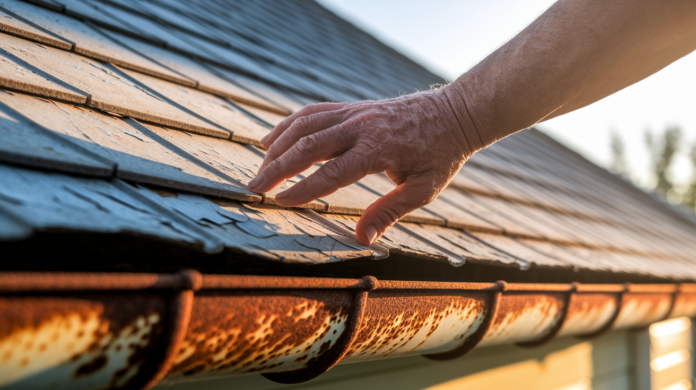
Think your homeowner policy will cover a roof that finally leaks after 20 years? Think again.
Wear and tear exclusions mean insurers treat slow damage—rusted pipes, curled shingles, mold from long leaks—as the owner’s problem, not a claim.
They use that language to deny or cut payments, and they usually win because age and neglect are easy to prove.
This post shows what’s typically excluded, the common gotchas insurers use, and the simple checks and records that actually help you fight a denial.
Understanding Wear and Tear Exclusions in Insurance
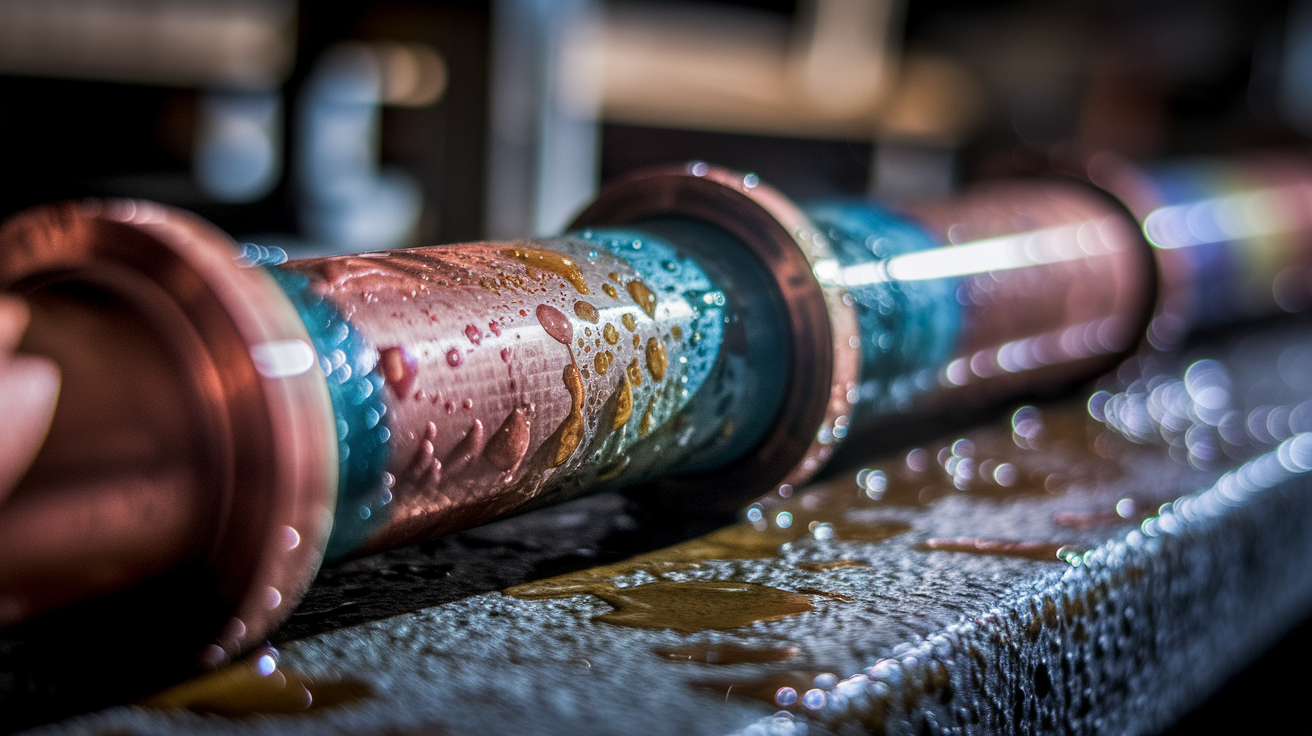
Wear and tear exclusions kick in when damage comes from gradual deterioration, not a sudden disaster. Your pipe rusts through over five years? Shingles curl and crack after baking in the sun for two decades? Water heater gives up after fifteen years of faithful service? That’s wear and tear. And insurers won’t pay.
The idea is simple. Insurance covers surprises, not the slow march of time. Your roof was installed in 2005 and starts leaking in 2024 because the materials finally gave out? Not covered. That’s just aging doing what aging does.
Insurers don’t want to pay for gradual problems because they’re predictable. You can see them coming. Maintaining your property is your job, not theirs. A policy isn’t a maintenance contract. When an adjuster shows up and finds corroded pipes, worn carpet, mold from months of moisture buildup, the claim gets flagged. They’ll argue you should’ve fixed or replaced aging stuff before it broke. And they’ll say premiums would be insane if every slow leak and rusted fitting triggered a check.
This exclusion shows up in basically every property policy. It separates insurable risk (tree crashes through your roof in a storm) from normal ownership costs (roof wears out after twenty years). You need to understand this line. Because insurers love to invoke wear and tear when denying claims, especially if a sudden event damages something that was already getting old.
Here’s what insurers typically label as wear and tear:
- Rust, corrosion, oxidation on pipes and metal parts
- Roof deterioration from weather and age
- Mold from ongoing moisture or bad ventilation
- Foundation settling, minor cracks, soil shifts
- Frayed wiring, aging insulation, mechanical fatigue in appliances
- Faded paint, worn floors, failing caulk and seals
These get treated as ownership costs. When you file, the adjuster’s first move is figuring out if damage happened suddenly or over time. If the timeline screams “months” or “years,” expect a denial.
Examples of Wear and Tear vs. Covered Perils
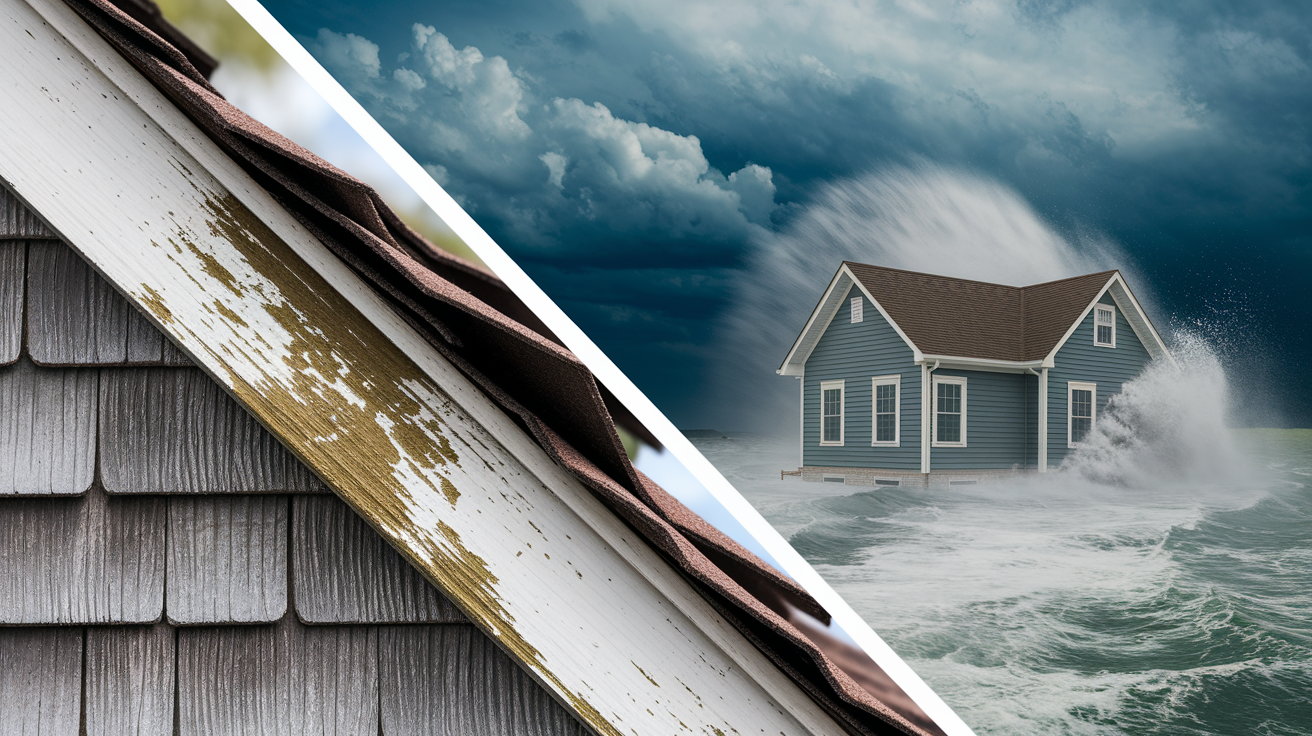
The split between wear and tear and a covered event comes down to timing and what caused it. Pipe corrodes over five years and springs a leak? Wear and tear. Same pipe bursts suddenly in a freeze? Usually covered. Same pipe, totally different result. Insurers care about how damage happened, not just what broke. Find rust or buildup during inspection? Denied. Damage from a hurricane or sudden impact? You’ve got a shot.
Fights start when a sudden event hits property that was already aging. Windstorm rips off shingles, but the adjuster notices they were curling before the storm. Insurer pays part, blames the rest on wear and tear. Pipe bursts and floods a room, but there’s corrosion, so they say it was going to fail anyway. These partial denials happen constantly. They dump the cost back on you. The legal question becomes: did the covered event actually cause this, or was it going to happen regardless?
Here’s how it plays out:
| Damage Type | Wear and Tear Example | Covered Event Example |
|---|---|---|
| Roof | Shingles curl, crack, and leak after 20 years of sun exposure | Hurricane winds tear off shingles in good condition, causing interior water damage |
| Plumbing | Copper pipe corrodes slowly over a decade and develops a pinhole leak | Pipe bursts suddenly from freezing temperatures or impact |
| Appliance | Water heater fails after 15 years of normal use; internal tank rusts through | Power surge from lightning strike burns out the heating element |
How Wear and Tear Exclusions Appear in Different Insurance Policies

Wear and tear language gets baked into nearly every property policy, with slight wording tweaks depending on coverage type. Homeowners policies usually exclude “wear, tear, marring, deterioration, inherent vice, latent defect, and mechanical breakdown.” You’ll see that phrase (or something close) across most carriers. Landlord and condo policies use similar language, sometimes adding “settling, cracking, shrinkage, bulging, or expansion of foundations, walls, floors, roofs, or ceilings.” Commercial property policies say the same thing but occasionally expand to cover “gradual leakage or seepage” unless it’s sudden and accidental.
The exact words matter when you’re fighting a denial. Some policies say they’ll cover tearing out and replacing materials to access a failed system, but not the system itself. So if a corroded pipe inside a wall starts leaking, they might pay to open the wall and fix the drywall, but not replace the aging pipe that caused the mess. That creates confusion because you assume pipe replacement is included. Other policies exclude “rust, corrosion, fungus, decay, or bacteria” as separate items, reinforcing that gradual processes are on you.
“Inherent vice” means a condition built into the material. Wood rots when wet. Metal oxidizes. That’s inherent vice. “Latent defect” is a hidden flaw from the start, like bad manufacturing or sloppy installation. Both get excluded. Appliance fails from a design flaw that took years to show up? Not covered. Foundation cracks because it was poured wrong fifteen years ago? Latent defect. These terms give insurers plenty of room to deny anything with a slow timeline or hidden cause.
Homeowner Responsibilities and Preventive Maintenance
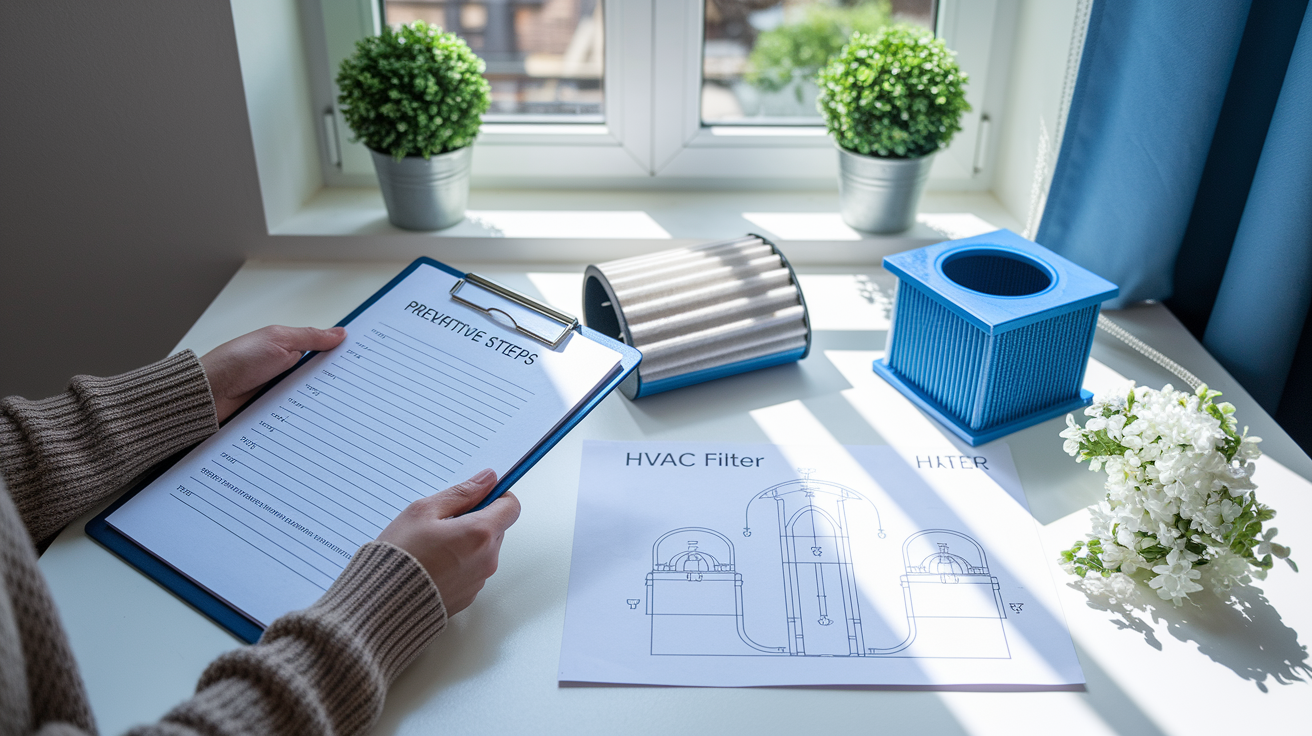
Insurers expect you to do routine maintenance. Skip it and something breaks? Denied. Maintenance is part of the deal when you buy coverage. Policies assume you’re inspecting the roof, cleaning gutters, servicing HVAC, checking plumbing, replacing worn parts before they quit. When an adjuster finds clogged gutters, skipped HVAC service, or a roof that hasn’t been looked at in ten years, the denial letter will cite neglect.
Preventive maintenance also builds the documentation you need to fight a bogus denial. Replace your water heater every twelve years and keep receipts? You can prove it wasn’t worn out when it suddenly failed. Get your roof inspected after every big storm and the reports show it was solid? Insurer can’t claim the shingles were already shot when the hurricane came through. Maintenance records flip causation disputes in your favor because they establish a timeline and prove you were taking care of things.
Steps that cut your risk of exclusion-based denials:
- Get annual roof inspections and replace shingles, flashing, underlayment when recommended
- Service HVAC twice a year and swap filters regularly
- Check plumbing for leaks, corrosion, pressure problems at least yearly
- Clean gutters and downspouts to stop water damage and foundation trouble
- Replace aging appliances and water heaters before they die, keep dated receipts
Final Words
You learned what wear and tear exclusions are, why insurers carve out predictable deterioration, and how that shows up in homeowners, landlord, and commercial policies.
We walked through clear examples, what insurers will deny versus what they’ll cover, and why routine maintenance matters. You also saw typical policy wording and simple maintenance steps that protect claims.
Before you sign, check the exact exclusion language, ask for covered-versus-not examples, and keep maintenance records. With those steps, wear and tear exclusion insurance policies will stop being a surprise.
FAQ
Q: What is the wear and tear exclusion in insurance and why is wear and tear not covered by insurance?
A: The wear and tear exclusion in insurance means policies won’t cover gradual aging, deterioration, or maintenance failures — like rust, rot, or worn parts — because those losses are predictable, preventable, and the owner’s responsibility.
Q: What is DP1, DP2, and DP3 in insurance?
A: DP1, DP2, and DP3 are dwelling policy forms: DP1 is basic named-perils (cheapest), DP2 covers more named perils, and DP3 is the most comprehensive, often open-perils for the dwelling and named-perils for contents.
Q: What not to say to the insurance adjuster?
A: What not to say to the insurance adjuster: don’t admit fault, speculate about cause, understate damage, agree to immediate settlements, or give extra personal details; stick to facts and say you’ll provide documentation.