




Insurers deny diminished value claims mostly because paying cuts into their profit.
They’ll point to policy language, say repairs restored the car, or blame missing paperwork — and too often the owner gives up.
Don’t let that be you.
This post walks through appeal steps that actually work: demand the denial in writing, gather repair invoices and market comps, get an independent diminished value appraisal, and file a clear, deadline-driven appeal that cites state rules.
Follow these steps and you raise your odds of getting paid.
Why Your Diminished Value Claim Was Denied (And What To Do Immediately)
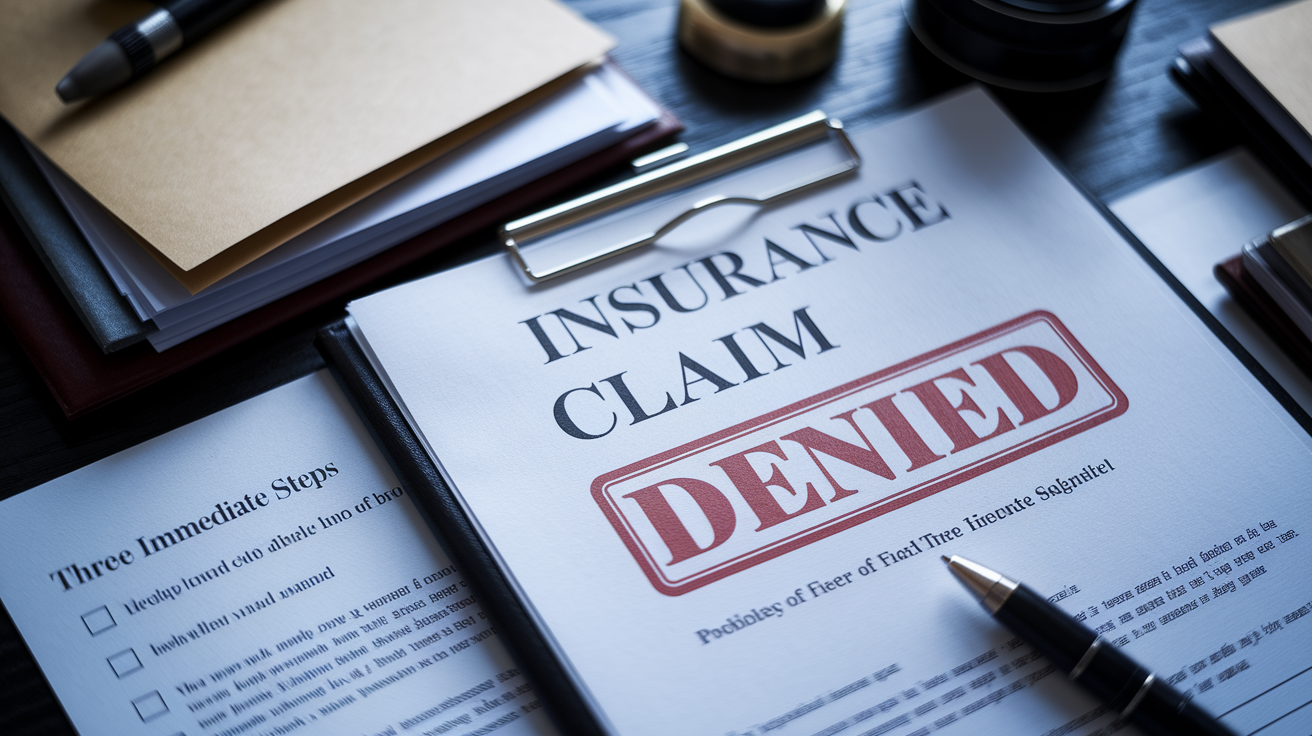
Insurers deny diminished value claims for one simple reason: paying out means less profit. They’ll cite policy language, incomplete documentation, or claim their approved repairs brought the car back to full retail value, even when that’s demonstrably untrue. The adjuster isn’t sitting there to protect your wallet. They’re protecting the company’s bottom line.
Most denials follow a predictable playbook. You’ll see the same handful of reasons appear again and again, dressed up in slightly different language depending on the carrier. Recognizing the pattern helps you know exactly what to push back on.
Common reasons insurers deny diminished value claims:
- Policy exclusion language. Insurer asserts the contract doesn’t cover diminished value, especially on first‑party claims.
- Repairs “restored full value”. Claims adjuster says the vehicle is “like new” and shows no market loss.
- Insufficient documentation. Missing pre‑accident photos, detailed invoices, or comparable market data.
- Pre‑existing or unrelated damage. Adjuster points to older scratches or wear and blames those for any value drop.
- Third‑party liability dispute. Insurer denies because the other driver’s liability hasn’t been fully accepted or documented.
- Missed deadlines or notice windows. Claim wasn’t filed within required timeframe, often 30–60 days.
- Generic valuation tools. Insurer used an automated calculator that ignores your specific trim, options, or local market.
Stop and do three things immediately. First, request the denial explanation in writing. Not a phone summary, a full written letter citing the exact policy section or regulation. Second, pull together every document you have: repair invoices, photos, your original purchase paperwork, and any email or text exchanges with the adjuster. Third, confirm today’s date and start tracking deadlines. Most internal appeal windows close in 30 to 60 days, and letting that slip kills your leverage before you’ve even started.
Essential Documentation Needed to Challenge a Diminished Value Claim Denial
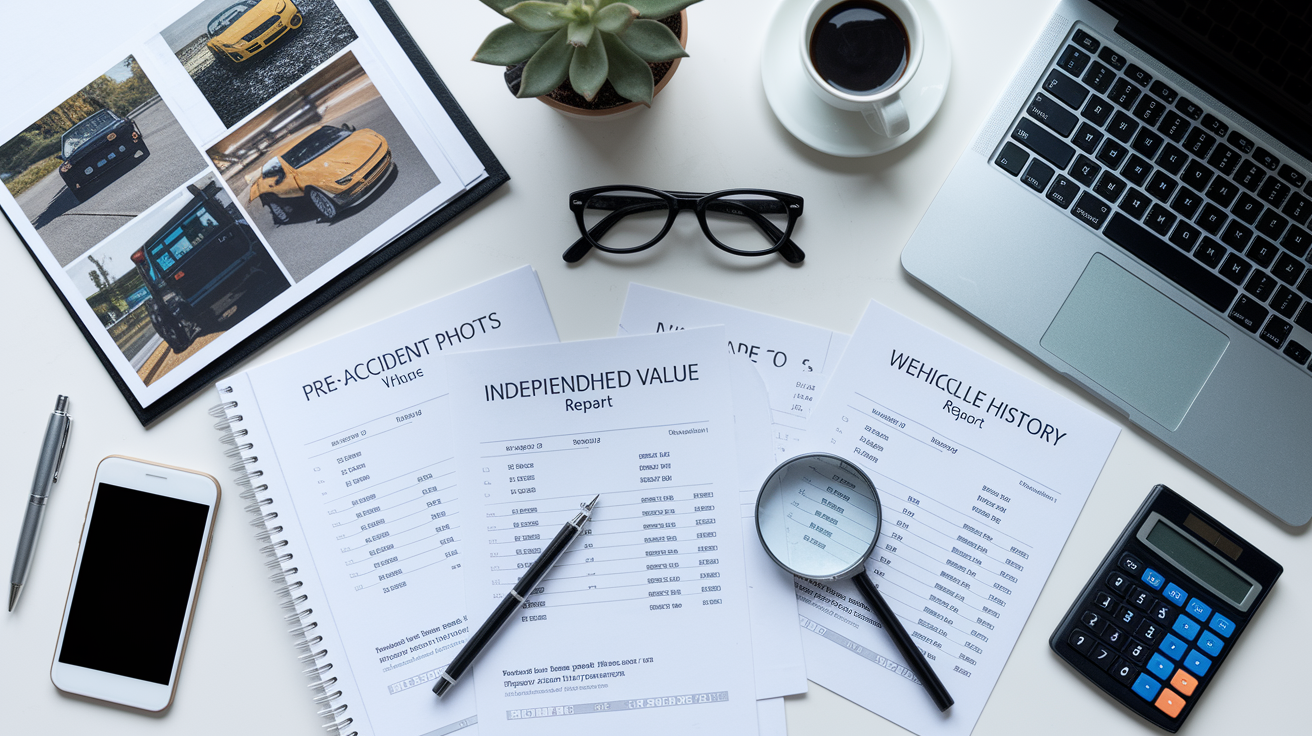
Documentation is your ammunition. Without it, you’re asking the insurer to take your word over their adjuster’s, and that never ends well. Strong, specific evidence forces the company to confront numbers they can’t ignore.
The most persuasive evidence shows three things clearly: what the car was worth before the accident, what damage was done and how it was repaired, and what the car is worth now in the real resale market. Repair invoices prove the scope of damage. Comparable sales data proves the market penalty. Pre‑accident records prove there was no prior issue dragging the value down. An independent appraisal ties all three together with a defensible number.
Core documentation to compile before appealing:
- Pre‑accident photos of the vehicle, especially full‑body shots showing paint, trim, and undamaged panels.
- Post‑repair photos documenting work completed and any visible differences (paint mismatch, gaps, replaced panels).
- Complete repair invoices listing every part replaced, labor hours, VIN‑specific components, and any aftermarket vs. OEM parts used.
- Independent diminished value appraisal with methodology, comparable sales data, and signed certification from the appraiser.
- Vehicle history report (Carfax or AutoCheck) showing the accident now appears on record.
- Comparable market listings. At least 3 to 5 vehicles of the same year, make, model, mileage, and trim, with and without accident history, to show the pricing gap.
Missing even one of these can give the insurer an excuse to deny again. Gather everything now, before you write a single appeal sentence.
Understanding State‑Specific Laws That Affect Diminished Value Claims

State law determines whether you even have a right to collect diminished value, who you can collect it from, and how much proof the insurer can demand before paying. What works in Georgia might be flatly illegal in Michigan. Ignorance of your state’s rules costs you money.
Georgia, North Carolina, and Washington recognize third‑party diminished value claims clearly. If the other driver was at fault, their insurer owes you the market loss. States like Texas and Florida also allow these claims but impose stricter documentation standards. Expect to show hard comps and independent appraisals. On the other end, some states let insurers deny first‑party diminished value outright by citing policy exclusions, and a handful have case law or statutes that favor the carrier’s internal valuation unless you can prove fraud or bad faith.
Start by searching “[your state] diminished value statute” and “[your state] department of insurance diminished value.” State insurance regulator websites often publish bulletins or FAQs explaining whether the law requires payment and what evidence satisfies the burden. If the state recognizes the claim, the insurer’s denial may violate regulatory guidance. And that becomes leverage.
How to File a Formal Appeal After a Diminished Value Claim Denial
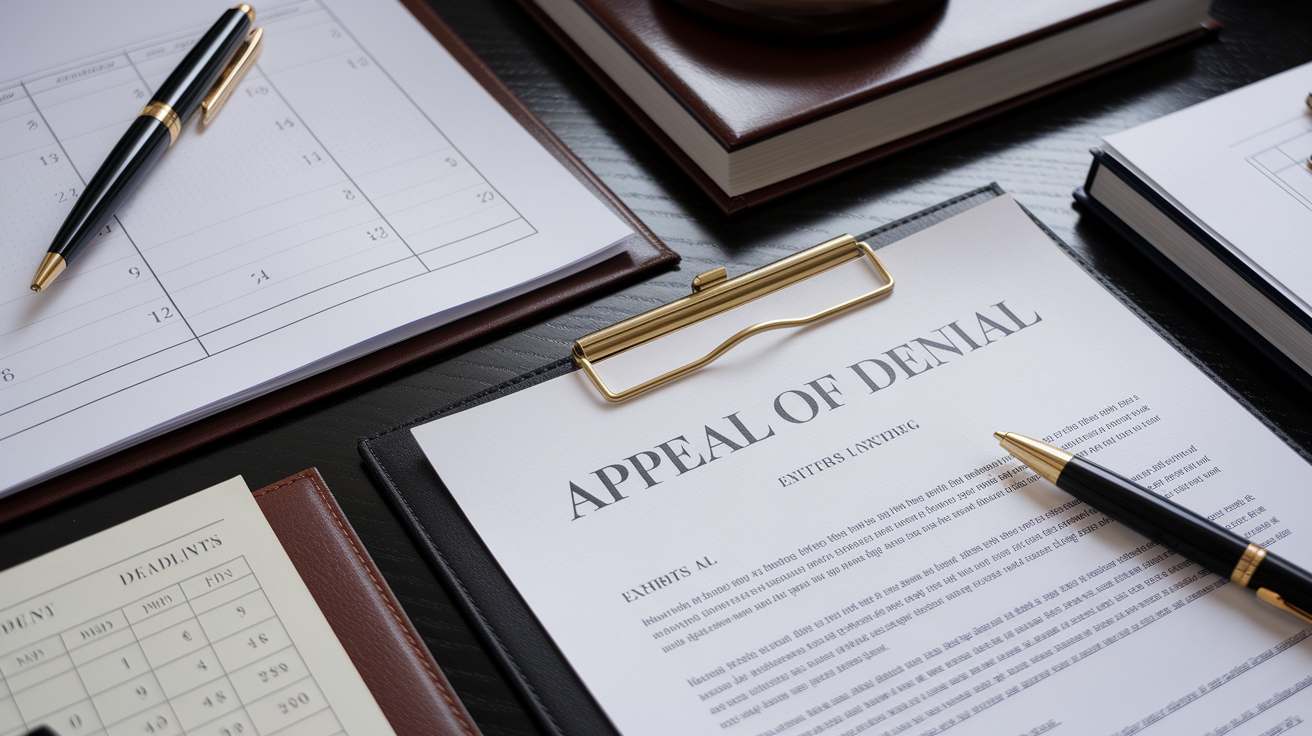
A structured, documented appeal works because it creates a paper trail the insurer can’t ignore and gives you a clear record if you end up in small claims court or arbitration. Throwing together an angry email doesn’t cut it. Treat the appeal like you’re building a case file, because you are.
Step‑by‑step appeal process:
-
Draft a formal appeal letter addressed to the claims supervisor or appeals department, not the original adjuster. Include your claim number, accident date, vehicle VIN, and a one‑sentence statement: “I am appealing the denial of my diminished value claim dated [denial date].”
-
State your position clearly. “The vehicle sustained [list major repairs: frame straightening, airbag replacement, etc.], which now appears on the vehicle history report and reduces resale value by approximately [your appraised amount].”
-
Attach all supporting evidence in a numbered exhibit list: Exhibit A (independent appraisal), Exhibit B (repair invoices), Exhibit C (pre‑accident photos), Exhibit D (comparable sales data), Exhibit E (vehicle history report).
-
Cite the denial reason and rebut it. If they said repairs restored value, attach market comps showing accident‑history cars sell for 10–25% less. If they claimed pre‑existing damage, attach pre‑accident photos and service records.
-
Demand a specific monetary amount and set a deadline. “I demand payment of $3,500 within 30 days of receipt of this letter.”
-
State your next steps. “If this claim is not resolved within 30 days, I will file a complaint with the [State] Department of Insurance and pursue recovery in small claims court.”
Expect the insurer to acknowledge receipt within 7 to 14 days and issue a decision within 30 to 60 days. If they go silent, follow up in writing every 10 days and document the lack of response. That pattern can support a bad‑faith complaint later.
Using Independent Appraisers and Experts to Support Your Case

An independent diminished value appraisal does one thing the insurer’s internal estimate can’t: it’s credible to a third party. Judges, arbitrators, and even the insurer’s own supervisor take a signed, methodology‑backed report more seriously than your verbal argument or the adjuster’s generic worksheet. The appraisal transforms your claim from “customer complaint” to “documented loss with a defendable number.”
A qualified appraiser will inspect the vehicle, review repair records, pull comparable sales in your local market, and apply a recognized formula (most commonly a percentage reduction based on damage severity, repair quality, and market segment). Expect to pay $250 to $800 for the report depending on the vehicle’s value and the appraiser’s credentials. That cost often becomes the difference between recovering nothing and recovering several thousand dollars. Look for appraisers certified by the American Society of Appraisers or similar bodies, and ask for a sample report upfront. Good appraisals show their math, cite specific comps, and don’t rely on vague “industry standard” percentages.
Alternative Dispute Resolution Options If the Insurer Refuses to Reverse the Denial
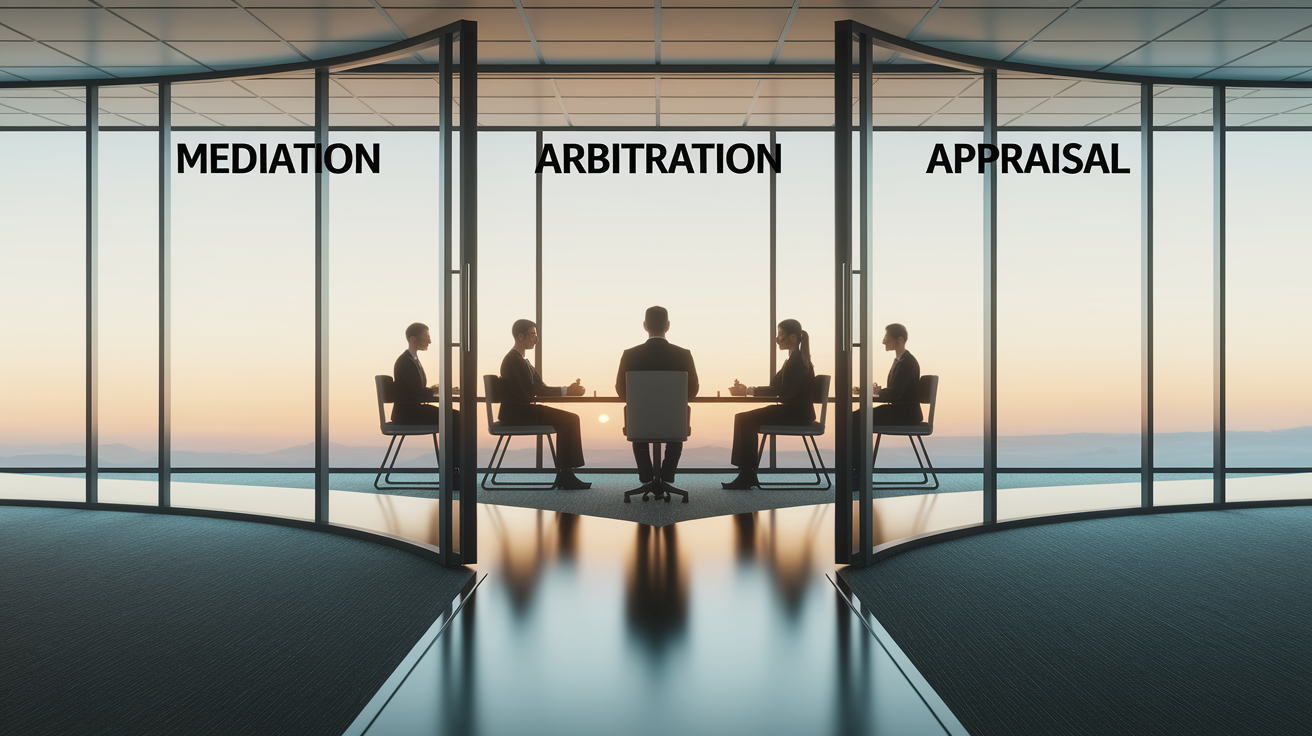
When the formal appeal goes nowhere, you have three paths before filing a lawsuit: mediation, arbitration, or invoking an appraisal clause if your policy includes one. All three are faster and cheaper than court, but each has different rules and outcomes.
Mediation is voluntary and non‑binding. A neutral mediator helps both sides negotiate a settlement, but the insurer can still walk away. Mediation typically costs $300 to $1,500 (often split), runs 1 to 3 months from request to session, and works best when the insurer wants to avoid litigation but needs cover to pay more than the adjuster initially offered. The downside? If the insurer shows up in bad faith or lowballs again, you’ve spent time and money with nothing to show.
Arbitration is binding if your policy requires it, and many do. The arbitrator hears both sides, reviews evidence, and issues a decision you and the insurer must accept. Timelines vary from 1 to 6 months depending on the arbitration forum (American Arbitration Association is common). Costs can run higher than mediation, sometimes $1,000 or more in filing and arbitrator fees, but you get a final answer. Some policies include an “appraisal clause” that lets each side hire an appraiser, and if the two appraisers disagree, a neutral umpire decides the value. This process is faster (30 to 90 days) and cheaper than full arbitration, and the result is binding on the damage amount, though liability disputes may still require separate resolution.
Final Words
You learned the top reasons insurers deny claims, which documents win appeals, how state rules change the odds, the step‑by‑step appeal process, and when to bring in an appraiser or use arbitration.
If you’ve faced a diminished value claim denied by insurance, don’t accept a short answer. Get the denial in writing, gather repair invoices and market comps, and file a structured appeal or hire an expert.
Do these three things now: ask for written reasons, organize strong evidence, and pick the dispute route that fits your state. You can make a stronger case.
FAQ
Q: How to win a diminished value claim?
A: Winning a diminished value claim means proving your car lost market value: get an independent appraisal, pre-accident condition proof, repair invoices, comparable sales, and submit a clear, timely appeal citing state rules.
Q: What not to say to the insurance adjuster?
A: What not to say to the insurance adjuster is: never admit fault, guess repair costs, accept a quick low offer, or give recorded statements without counsel; stick to facts and say you’ll follow up in writing.
Q: What to do when the insurance denies a claim?
A: When the insurance denies a claim, get the denial in writing, review the reason, gather supporting documents, file a formal appeal with new evidence, and consider an independent appraisal or a complaint to your regulator.
Q: How long does it take to process a diminished value claim?
A: The time to process a diminished value claim varies: expect about 30–90 days for an initial decision; appeals, independent appraisals, or disputes can add several weeks to months depending on state rules and evidence.