



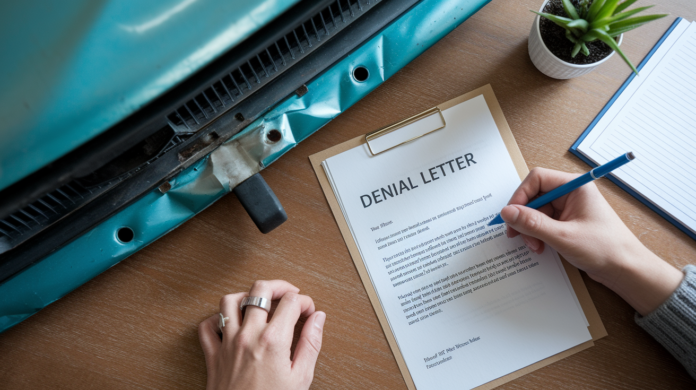
Ever been blindsided by an insurance denial after a crash?
Insurers focus on three things: did your policy actually cover it, can you prove it happened, and did you report it on time.
Mess up one of those and your claim can get rejected fast.
This post breaks down the real reasons companies deny auto claims—late reporting, lapsed policies, missing evidence, exclusions, fraud flags, excluded drivers—and gives plain, practical steps to stop a denial before it happens.
Read the checklist at the end to know what to check right now.
Core Reasons Auto Claims Get Denied (Immediate Answers for Drivers)

Insurers look at three things when you file: does your policy cover it, can you prove it happened, and did you report it on time. Mess up any one of those and you’re getting denied. The adjuster needs to confirm you had active coverage when the accident happened, that the damage matches your story, and that you followed the reporting rules. If your policy lapsed the day before, if the photos show old rust you’re claiming is new, or if you waited six weeks to file, your claim moves from “approved” to “denied.”
Timing screws people over more than anything else. Most insurers want to hear from you within 24 to 72 hours and expect a formal claim within 7 to 30 days. Miss that and they’ve got an easy out. Coverage gaps come next. A single missed payment can cancel your policy in as little as 0 to 30 days, leaving you totally uninsured when the crash happens. Then there’s evidence problems. No police report, only three blurry photos when they expect 8 to 12, conflicting stories, repair bills that don’t line up with the damage. And exclusions you never read: commercial use, rideshare without the endorsement, racing, a driver who’s specifically excluded. In comparative fault states, if you’re 30 percent at fault, your payout drops 30 percent or disappears.
Here’s what triggers denials:
Late reporting — you didn’t call within 24 to 72 hours or file the formal claim within 7 to 30 days
Policy lapse — missed a payment and the policy canceled within 0 to 30 days before the accident
Policy exclusions — commercial use, rideshare, racing, or business driving without the right coverage
Insufficient documentation — fewer than 8 to 12 photos, no police report, missing estimates (you need at least 2)
Pre existing damage — trying to claim old rust, dents, or prior collision damage as new
Excluded driver — someone specifically listed as excluded or an unlicensed person was driving
Liability dispute — insurer says their driver wasn’t at fault or you share blame under comparative fault rules
Fraud suspicion — your story changed, red flags for staging, sudden medical bills, or duplicate claims triggering a 30 to 90 day investigation
Understanding Auto Claim Denials Related to Coverage & Policy Terms

Exclusions sit in the fine print, and they’re enforceable. If your policy says no commercial use and you were delivering packages when the accident happened, the insurer denies. No negotiation. Same with rideshare driving without the proper add on, racing (even informal street stuff), or using the car for business when your policy says personal only. Some coverage has waiting periods. A 30 day waiting period means a claim on day 15 gets rejected. Insurers don’t care if you didn’t know or thought you were covered.
Missed payments kill coverage fast. Policies can cancel anywhere from 0 to 30 days after you miss a payment. Auto pay bounced? Billing address outdated? Forgot? You can lose coverage overnight. An accident one day after lapse gets denied outright, even if you’ve been insured for years. There’s no active contract at the time of loss, so the insurer owes you nothing.
Illegal activity exclusions are universal. DUI, fleeing police, driving without a valid license, committing a crime while behind the wheel. All of these void coverage. The policy isn’t designed to protect unlawful behavior, and insurers jump on these clauses when police reports show DUI arrests, suspended licenses, or criminal charges tied to the crash.
Documentation Related Auto Claim Denial Reasons

Insurers need proof. When you file without a police report, without photos, without repair estimates, or with stories that contradict each other across three phone calls, you’ve handed the adjuster an easy denial. The burden sits on you, not them. If you can’t prove the loss happened the way you say it did, coverage doesn’t kick in.
Police reports lock in the liability and damage story. Without one, the insurer has your word against the other driver’s word. If those conflict, the claim stalls or dies. Photos matter almost as much. Adjusters expect 8 to 12 images: overall scene, vehicle damage from multiple angles, license plates, skid marks, road conditions, visible injuries. Fewer photos or blurry shots raise questions. Repair estimates need to come from independent shops. Two is standard. A single estimate from your cousin’s body shop won’t fly. Witness statements add weight when fault gets contested. Grab at least one or two names and phone numbers at the scene.
Contradictions kill claims faster than almost anything. Common ones:
- Telling the cop “no injuries” at the scene, then filing injury claims weeks later
- Describing the accident one way on the phone and differently in writing
- Repair bills that don’t match the damage in your photos
- Claiming the car was parked when witnesses say it was moving
- Reporting immediately but waiting two months to mention soft tissue injuries
- Providing a VIN that doesn’t match the vehicle in the photos
Adjusters inspect vehicles within 3 to 14 days of a reported collision. If you delay access, refuse the inspection, or get the car repaired before they see it, expect a denial or a slashed payout. The insurer needs to confirm the damage ties to the reported event, not some earlier fender bender you’re trying to bundle in.
Auto Claim Denials Stemming from Pre Existing Conditions & Wear

Insurers pay for new damage from covered events. They don’t fix old damage, deferred maintenance, or wear that built up over years. If your bumper was already cracked and rusted before the accident and you try to claim the full replacement cost, the adjuster will deny or cut the payout to cover only the new damage.
Pre existing damage fights happen most when vehicle history checks, photos, or prior claim records show earlier collisions or unrepaired issues. Someone who never mentioned a prior bumper dent and now files for full bumper replacement after a minor rear end tap will face denial or a reduced settlement that accounts for the prior condition. Insurers run VIN checks and review maintenance records. They know if that transmission issue or suspension wear came before the covered loss.
Wear and tear exclusions are standard. Tires worn below minimum tread depth, brakes that failed because you ignored maintenance, engines that seized because you skipped oil changes. None of this falls under collision or comprehensive coverage. The policy covers sudden, accidental losses, not gradual breakdown. If a warning light was ignored for months and a component failed during the accident, the insurer may deny the component repair, arguing it would’ve failed regardless.
Fraud Related Auto Claim Denial Reasons

Fraud suspicion doesn’t need proof. Just enough red flags to justify digging deeper. When insurers smell fraud, they pause payment and hand the file to a Special Investigations Unit. These investigations run 30 to 90 days and can end in denial, policy cancellation, or referral to law enforcement if they suspect criminal fraud.
Adjusters watch for patterns. Staged accidents show telltale signs: vehicles with minimal damage claiming severe injuries, accidents involving multiple people who all share the same address or doctor, sudden surges in treatment with little objective medical reason, or duplicate claims filed with different insurers for the same loss. Inconsistent statements trigger scrutiny. If your story changes between the police report, the phone call, and the written claim form, the file gets flagged.
Common fraud red flags:
Conflicting descriptions of how the accident happened across different statements
Medical treatment that ramps up dramatically weeks later with no clear clinical explanation
Accidents involving drivers who know each other or share financial ties
Claims for stolen vehicles that reappear shortly after payout or are found with no signs of forced entry
Repair invoices from shops with histories of inflated billing or phantom work
Even legit claims can get caught in fraud reviews if the facts look weird. If you’re denied on fraud grounds and it’s baseless, you’ll need airtight documentation. Medical records with diagnosis codes, timestamped photos, independent witness statements, repair invoices from reputable shops. All of it becomes critical to overturning the denial.
Driver Related Auto Claim Denial Reasons
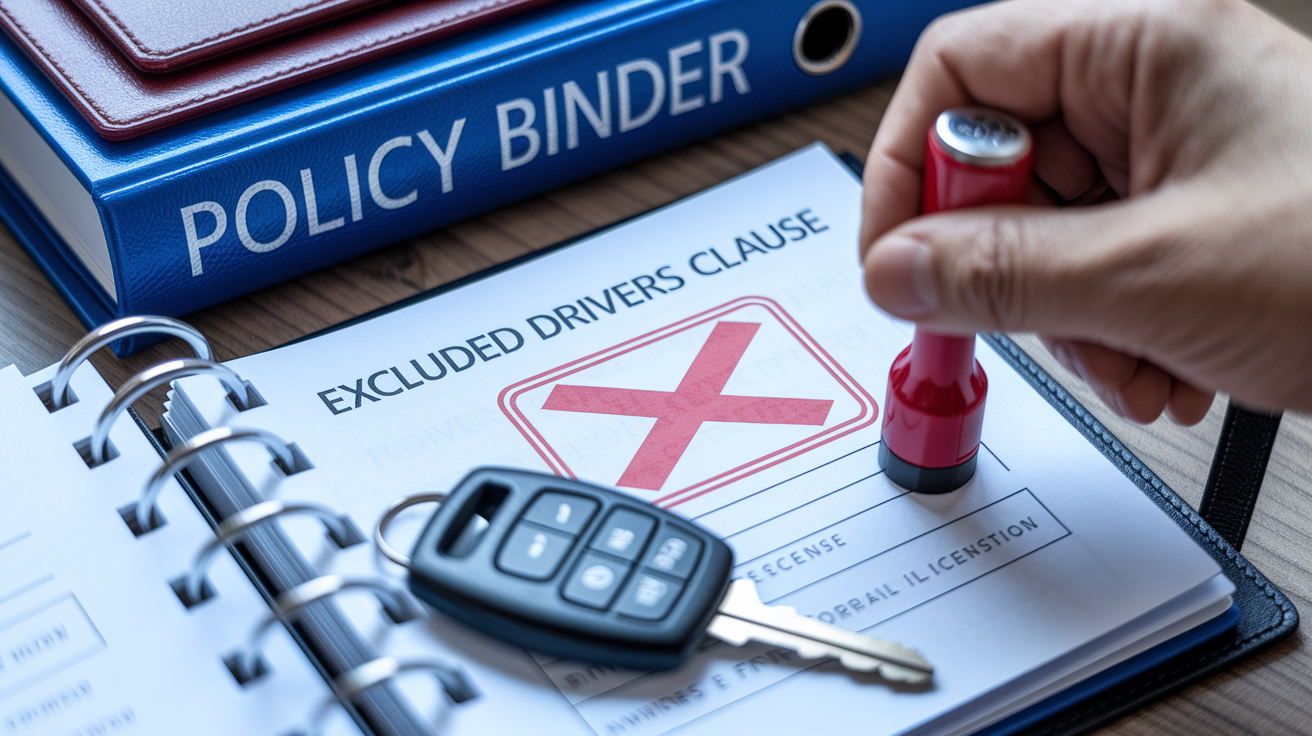
Who was driving at the time determines coverage almost as much as the policy itself. If your policy lists an excluded driver (often a high risk household member with multiple violations or a suspended license) and that person was behind the wheel, the insurer denies. Excluded driver endorsements are explicit. That named person is not covered. Period.
Unlicensed or suspended drivers void coverage in most policies. Operating without a valid license, driving on a suspended or revoked license, or letting an unlicensed household member use your car regularly all create grounds for denial. Insurers underwrite policies based on disclosed drivers and their records. An undisclosed or excluded driver introduces risk the insurer never agreed to take on. Even if the excluded driver wasn’t at fault, coverage usually won’t apply.
Permissive use has limits. If you lend your car to a friend occasionally, most policies extend coverage. But if that friend uses your car daily for commuting and isn’t listed on your policy, the insurer may deny, arguing the regular use should’ve been disclosed and the driver added. Policies are built around household drivers and declared regular users. Informal, undisclosed regular drivers fall outside the contract.
Accident Circumstances That Lead to Auto Claim Denials

Certain accident facts trigger automatic or near automatic denials. Hit and run claims where no suspect is identified and no police report was filed within hours often get denied under uninsured motorist provisions that require prompt reporting and cooperation. If you didn’t call the police, didn’t get a report number, and can’t identify the other vehicle, the insurer has no way to verify the loss or go after the other party.
Seatbelt non use can reduce payouts in states with comparative fault rules. If the police report notes you weren’t wearing a seatbelt and your injuries would’ve been less severe if you were belted, the insurer may cut your medical payout proportionally, arguing you contributed to your own harm. Illegal activity exclusions apply broadly. DUI, fleeing police, street racing, committing crimes while driving. All void coverage. The insurer won’t pay for losses that happened during unlawful acts.
| Circumstance | Typical Denial Reason |
|---|---|
| Hit and run, no police report filed | Lack of documentation; can’t verify loss or pursue subrogation |
| Driver under influence of alcohol or drugs | Illegal activity exclusion; DUI voids coverage in most policies |
| No seatbelt worn, injuries partially due to non use | Comparative fault reduction; insurer argues claimant contributed to injury severity |
| Vehicle used during commission of a crime | Criminal activity exclusion; policy doesn’t cover losses tied to unlawful conduct |
Disputes Over Repairs, Estimates, & Vehicle Valuation

Money fights happen most over repair costs, parts quality, and total loss valuations. If your damage estimate is $350 and your deductible is $500, the insurer pays nothing. The loss falls entirely within your deductible. If two body shops quote $2,800 and $3,200 but the insurer’s appraiser says $2,200, you’re stuck negotiating or eating the difference. Disagreements over repair scope, labor rates, and parts sourcing create friction that can escalate into denials if the insurer thinks your estimates are inflated or unsupported.
Aftermarket parts versus OEM (original equipment manufacturer) parts fights are common. Many policies let insurers pay for aftermarket or used parts of “like kind and quality” instead of brand new OEM components. If you insist on OEM and the policy doesn’t guarantee it, the insurer may approve only the lower aftermarket cost, leaving you to cover the difference. Total loss and salvage value disputes come up when the insurer declares your car a total loss and offers an actual cash value payout you think is too low. The insurer deducts depreciation and salvage value. If you disagree, you’ll need independent appraisals and comparable sale data to challenge the number.
Common valuation and repair denial or reduction triggers:
Damage estimate below the deductible amount, resulting in zero payout
Disagreement over labor rates or repair hours between your shop and the insurer’s appraiser
Insistence on OEM parts when policy allows aftermarket substitutes
Total loss valuation based on depreciated actual cash value that you dispute
Salvage deduction applied to total loss payout, cutting net settlement below loan balance
Administrative & Procedural Auto Claim Denial Factors

Procedural mistakes kill claims that would otherwise be covered. Insurers require cooperation, and they define it narrowly. Answer calls, provide documents, allow inspections, attend examinations under oath if requested, meet deadlines. Fail any of these and the insurer has grounds to deny based on your breach of the policy’s cooperation clause.
Refusal to allow vehicle inspection is a common procedural denial trigger. The adjuster needs to see the damage firsthand to confirm it matches your description and happened during the reported event. If you delay access, refuse to bring the car to the inspection site, or repair the vehicle before the adjuster sees it, the insurer will deny or drastically cut the payout. Late notice ranks just as high. Most policies require “prompt” or “immediate” notice, often interpreted as 24 to 72 hours for initial contact and 7 to 30 days for formal filing. Miss those windows and you’ve violated a core policy condition.
Payment lapses trigger instant procedural denials. Missed premium payments or bounced auto pay can cause policy cancellation within 0 to 30 days. If the accident happens one day into the lapse period, you’re uninsured. No coverage, no claim, no negotiation. Insurers send cancellation notices, but if your address is outdated or you ignore the mail, you won’t know you’ve lost coverage until you try to file and discover the policy was already dead. Ignoring insurer requests for documents, recorded statements, medical authorizations, or examination appointments within the stated timeframes (often 10 to 30 days) creates a paper trail the insurer will use to deny on non cooperation grounds.
How to Avoid Common Auto Claim Denial Reasons

Prevention starts at the scene and runs through every step of the claims process. Report the accident to your insurer within 24 hours. Phone call, app notification, online report, whatever method your carrier accepts. File the formal claim within 7 days. The faster you act, the less room the insurer has to argue late notice. Take 8 to 12 photos covering the overall scene, all vehicle damage from multiple angles, license plates, skid marks, road conditions, any visible injuries. More photos beat fewer. You can’t recreate the scene two weeks later.
Get two independent repair estimates before submitting your claim. Walk the estimator through the damage and make sure the scope matches what actually happened. Keep every receipt. Towing, rental car, medical co pays, pharmacy, even rideshares to medical appointments. If you’re injured, get medical evaluation within 7 to 14 days and document every visit, every complaint, every treatment recommendation. Gaps in treatment give insurers ammo to argue your injuries weren’t serious or weren’t caused by the accident.
Review your policy before the accident happens. Know your deductible, know your coverage limits, know what’s excluded. If you drive for rideshare or delivery, add the proper endorsement. If a household member has a suspended license, file an excluded driver endorsement to avoid coverage fights. Maintain continuous coverage by confirming your payment method is current and your mailing address is up to date. Return insurer calls and comply with requests within 10 to 14 days. Don’t make them chase you.
Seven steps to cut denial risk:
- Report within 24 hours; file formal claim within 7 days
- Take 8 to 12 photos at the scene (vehicles, plates, damage, context, road conditions)
- Get a police report number and grab a copy of the full report within days
- Collect contact info for at least 1 to 2 witnesses with names and phone numbers
- Get 2 independent repair estimates and keep all receipts for towing, rental, repairs
- Seek medical evaluation within 7 to 14 days if injured; document all treatment and follow up
- Respond to all insurer requests (documents, authorizations, inspections) within 10 to 14 days
Steps to Take After Your Auto Claim Is Denied
Request a written denial letter immediately. Insurers are required to provide a written explanation citing the specific policy provisions and factual reasons for the denial. Note the date you receive it. That starts the clock on your appeal window, which is commonly 30 to 60 days depending on your policy and state law. Read the denial letter carefully and figure out the insurer’s stated reason. Late notice, policy exclusion, insufficient evidence, pre existing damage, non cooperation, something else.
Gather every piece of supporting evidence you can pull together. Police report, all 8 to 12 photos you took at the scene (or wish you had), your two repair estimates, medical records with visit dates and billing codes, witness names and statements, receipts for out of pocket expenses, copies of all correspondence with the insurer including dates and summaries of phone calls. Organize this into a timeline that maps the accident, your reporting, your compliance with requests, and the insurer’s investigation steps. If the denial cites a factual dispute (like claiming you were late when you actually called within hours), pull phone records, timestamps, or confirmation emails to prove otherwise.
File an internal appeal or reconsideration request within the insurer’s stated deadline, usually 30 to 60 days from the denial date. Include a cover letter that briefly rebuts the denial reason and references your supporting exhibits by number. Police report (Exhibit A), scene photos (Exhibit B), repair estimates (Exhibit C), medical records (Exhibit D), and so on. Keep the letter factual, not emotional. If the internal appeal fails, escalate to your state insurance regulator or department of insurance. Most states have a complaint process that triggers a review. Consider alternative dispute resolution if your policy includes mediation or arbitration clauses. These can be faster and cheaper than court. For small claims within your state’s small claims court limits (typically $2,500 to $25,000), you can file without an attorney. For larger disputes or complex liability issues, consult a personal injury or insurance dispute attorney. Many work on contingency and charge fees only if you recover. Statutes of limitations for insurance lawsuits generally range from 1 to 6 years depending on your state, so act promptly but don’t rush into litigation before exhausting internal appeals.
Immediate action steps after denial:
Request written denial with policy citations and factual basis, noting the date received
Assemble full evidence file: police report, 8 to 12 photos, 2 estimates, medical records, receipts, correspondence log
File internal appeal within insurer’s deadline (commonly 30 to 60 days), including rebuttal letter and numbered exhibits
If appeal fails, file a complaint with your state insurance regulator
Evaluate small claims court for amounts within jurisdictional limits (often $2,500 to $25,000)
Consult an attorney for complex disputes, large claims, or when fraud is alleged; many work on contingency
Keep copies of everything. Every email, every letter, every photo, every receipt, every phone log entry with date, time, and person spoken to. If this goes to litigation or regulatory review, your documentation quality will determine the outcome.
Final Words
Right after an accident, the clock and the paperwork matter. This guide covered the top denial triggers: late reporting, lapsed policies, policy exclusions, missing documentation, pre-existing damage, fraud flags, driver problems, and repair or valuation disputes.
We gave practical prevention steps (report fast, take 8–12 photos, get two estimates, keep receipts) and a clear appeal checklist if a claim is denied.
If you remember the core reasons insurance companies deny auto claims — late filing, lapsed coverage, weak evidence, or excluded use — you’ll avoid most nasty surprises. Do the quick checks and you’ll be ready.
FAQ
Q: Why would an auto claim be denied?
A: An auto claim is commonly denied for missed reporting deadlines (report within 24–72 hours), policy lapse from unpaid premiums, explicit exclusions (DUI, rideshare), missing documentation, disputed fault, or suspected fraud.
Q: What not to say to the insurance adjuster?
A: You should not tell the insurance adjuster you’re at fault, apologize, guess details, downplay injuries, accept a quick settlement, or sign blank forms—stick to facts and request written confirmation.