



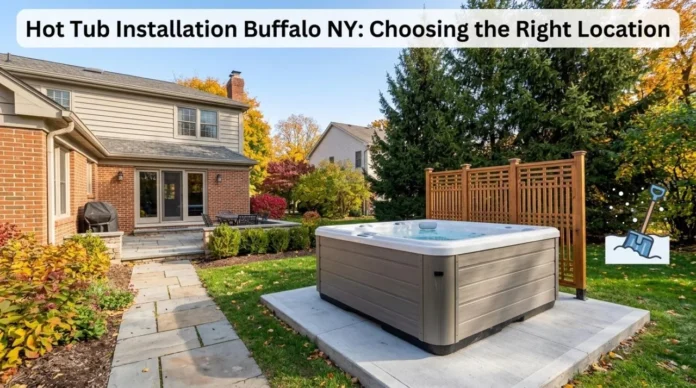
Installing a hot tub is an exciting way to make your backyard more comfortable, create a relaxing outdoor retreat, and enjoy warm water throughout the year. In Buffalo, New York, where winters can bring freezing temperatures, snow, and icy conditions, a hot tub can be especially appealing. However, before selecting a model or scheduling delivery, one of the most important decisions is determining where the hot tub should go.
The right location affects much more than the appearance of your backyard. It influences accessibility, privacy, installation costs, electrical requirements, drainage, maintenance, and long-term safety. A poorly chosen location can create unnecessary complications, while a carefully planned installation can make your hot tub easier to use and maintain for years.
Buffalo’s climate adds several considerations to the planning process. Homeowners need to think about snow accumulation, freezing ground, wind exposure, access during winter, and the ability of the supporting surface to handle the weight of a filled spa.
Whether you are placing a hot tub on an existing patio, building a new deck, or creating a dedicated backyard relaxation area, understanding the key factors involved will help you make a more informed decision.
Evaluate Your Available Outdoor Space
The first step in choosing a hot tub location is evaluating the space available around your home. Although a hot tub may appear compact in a showroom, the complete installation requires more room than the dimensions of the spa itself.
You need to account for the tub’s footprint, access panels, steps, a cover lifter if applicable, and enough surrounding space for people to enter and exit safely. You should also consider whether the location will leave room for other outdoor activities, furniture, landscaping, and pathways.
Start by measuring the potential installation area. Compare those measurements with the manufacturer’s specifications for the model you are considering. Do not rely exclusively on approximate product dimensions because access and servicing requirements can vary between models.
Think about how you expect to use the hot tub. If it will mainly serve two people, a smaller model may fit comfortably in a limited space. A larger family spa may require a more substantial patio or a redesigned outdoor layout.
It is also worth looking at the yard from inside your home. A location visible from a living room or bedroom may provide an attractive view, while a more secluded corner may offer greater privacy.
Before committing to a location, walk through the space and imagine the installation completed. Consider where people will place towels, remove footwear, store accessories, and move between the house and the spa.
Planning these practical details early can prevent the hot tub from becoming an obstacle rather than an enjoyable addition to your outdoor space.
Choose a Convenient Location Near Your Home
Many homeowners prefer placing a hot tub relatively close to the house. This can make frequent use more convenient, particularly during cold Buffalo winters.
Walking across a snowy backyard in swimwear may be manageable for a few steps, but a long, exposed route can discourage you from using the spa regularly. A location near a back door, patio entrance, or other convenient access point may make winter soaking considerably more appealing.
However, proximity to the house should not be the only consideration. The installation must still meet the manufacturer’s requirements, applicable building codes, electrical clearances, and any local rules concerning structures, drainage, and property boundaries.
Consider the Route From Indoors
Imagine the journey from your bathroom or bedroom to the hot tub. Will you have to cross an uneven lawn, navigate several steps, or walk through an area where snow accumulates?
A practical route should be as direct and safe as reasonably possible. Stable paving, appropriate outdoor lighting, handrails where needed, and a clear path can improve accessibility.
If you plan to use the hot tub throughout winter, think about where snow will be shoveled and where melted snow may drain. Avoid creating a path that regularly becomes slippery or obstructed.
You should also consider the location of nearby windows and doors. Steam and moisture from a hot tub may affect nearby surfaces under certain conditions, and the cover should have enough room to open fully without striking a wall, railing, or overhead obstruction.
Balance Convenience With Privacy
A location close to the home may be convenient but visible to neighbors. Fencing, landscaping, decorative screens, or a pergola may help create a more private setting.
Before adding privacy structures, confirm that they will not interfere with ventilation, maintenance access, electrical equipment, or the safe operation of the hot tub.
The goal is to create a space that feels comfortable without making future servicing or everyday use more difficult.
Make Sure the Foundation Can Support the Hot Tub
A hot tub filled with water and occupied by several people can weigh thousands of pounds. Its supporting surface must be designed to carry that load safely and distribute the weight appropriately.
This is one of the most important aspects of site selection. A location may look ideal from a design perspective but still be unsuitable if the ground is unstable or the existing structure cannot support the spa.
Concrete Pads and Existing Patios
A properly designed concrete pad is a common option for hot tub installations. Concrete can provide a durable, relatively level surface when it is appropriately constructed for the expected load and site conditions.
An existing patio may also work, but its suitability should be evaluated rather than assumed. Older patios may have cracks, uneven sections, inadequate thickness, or a base that has shifted over time.
The condition of the underlying ground matters as well. Poor drainage and freeze-thaw cycles can contribute to movement, cracking, or uneven surfaces.
If you are considering concrete, ask the installer or a qualified contractor to assess the soil, drainage, required base preparation, and appropriate slab specifications. Requirements depend on the spa, the property, and local conditions.
Decks and Elevated Platforms
Placing a hot tub on a deck can create an attractive outdoor space, especially when the deck connects directly to the home. However, a standard deck is not automatically capable of supporting the combined weight of the spa, water, and occupants.
Before installation, have a qualified structural professional evaluate the deck’s capacity. Reinforcement or a specially designed supporting structure may be necessary.
The evaluation should consider the hot tub’s filled weight, the distribution of that load, the deck’s framing, support posts, footings, connections, and local building requirements.
You should also plan for access to equipment panels and other components that may require servicing. A deck that looks beautiful but prevents technicians from reaching the spa’s systems can create costly complications later.
Account for Buffalo’s Winter Weather
Buffalo’s winter climate makes location planning particularly important. Snowfall, freezing temperatures, strong winds, and repeated freeze-thaw cycles can influence both installation and everyday use.
A good location should make the hot tub accessible during winter while reducing unnecessary exposure to harsh weather.
Plan for Snow Removal
Avoid placing the spa where snow naturally accumulates in large drifts or where snow sliding from the roof could fall onto the cover.
Rooflines deserve special attention. Snow and ice can drop suddenly from sloped roofs, potentially damaging the cover or creating a safety hazard. Choose a location that avoids these risks, and consult a qualified professional if overhead protection or changes to the surrounding structure are being considered.
You should also identify a practical place to move shoveled snow. If the only available area is directly beside the hot tub, snow may accumulate around the cabinet, steps, or service panels.
A clear route between the house and the spa is especially valuable during winter. Consider whether snow removal will be manageable after overnight storms and whether meltwater could refreeze along the pathway.
Reduce Wind Exposure
Cold winds can make entering and exiting a hot tub uncomfortable. They can also increase heat loss from exposed water and surfaces, depending on the spa’s design and conditions.
A sheltered location near an appropriate windbreak may improve comfort. Existing walls, fences, or carefully planned landscaping can provide some protection, but the arrangement must preserve necessary clearances and ventilation.
Avoid positioning the spa where it is completely exposed to prevailing winds if another suitable location is available.
At the same time, do not enclose the hot tub so tightly that the equipment becomes inaccessible or the space is difficult to use safely. A balanced design should offer protection while leaving sufficient room for movement and maintenance.
Consider Seasonal Ground Conditions
Freeze-thaw cycles can affect soil stability, paving, and concrete. Water that enters small cracks may freeze and expand, contributing to deterioration over time.
Proper site preparation and drainage can help reduce these problems. Ask your installer how the foundation will be prepared for local ground conditions and whether any additional measures are appropriate for your property.
Do not assume that placing a hot tub directly on grass, loose gravel, or an unprepared area will provide a reliable long-term foundation. The supporting surface should be appropriate for the specific model and installation requirements.
Think Carefully About Sunlight and Shade
Sunlight can influence how comfortable your hot tub area feels during different seasons. A location with some natural shade may be pleasant in summer, while a sunnier area can feel more inviting during cooler weather.
There is no universally ideal amount of sunlight. The right choice depends on your preferences, the surrounding landscape, and how you plan to use the spa.
An exposed location may feel pleasant on a mild afternoon but uncomfortable during hot summer weather. Conversely, a heavily shaded corner may receive less direct sun but remain damp for longer after rain or snowfall.
Consider the movement of the sun across your yard throughout the day. A spot that appears shaded during an early site visit may receive direct afternoon sunlight.
Trees can provide valuable shade, but they may also introduce practical problems. Falling leaves, pollen, twigs, and other debris can enter the water and increase cleaning requirements. Overhanging branches may also create hazards during storms or heavy snowfall.
If you want a more controlled environment, a suitable pergola or other overhead feature may provide shade and visual appeal. Any structure should be planned around the hot tub’s cover movement, maintenance access, and relevant building requirements.
Plan Electrical Access Before Installation
Electrical planning should happen before you finalize the location, not after the hot tub has been delivered.
Many hot tubs require a dedicated electrical circuit and professional installation. The precise requirements depend on the model, voltage, amperage, and equipment configuration. Some portable models have different power requirements from larger spas.
Review the manufacturer’s installation instructions and ask a qualified electrician to evaluate the proposed location. The electrician can determine the appropriate circuit, wiring method, disconnect requirements, grounding and bonding provisions, and other measures required by applicable electrical codes.
Do not assume that the nearest outdoor outlet is sufficient. Improper wiring can create serious shock, fire, and equipment-damage risks, particularly around water.
The location should also allow electrical components to be installed and serviced according to the manufacturer’s specifications. If wiring must cross a driveway, walkway, or landscaped area, discuss the installation route before construction begins.
Electrical requirements can influence the overall cost and feasibility of a site. Evaluating them early helps prevent situations where a preferred location requires unexpectedly extensive work.
Ensure Proper Drainage Around the Spa
Water management is another important consideration when choosing a hot tub location.
The surrounding area will become wet from splashing, cleaning, rain, snow, and occasional maintenance. Water should not collect beneath the spa or flow toward the home’s foundation.
Poor drainage can contribute to standing water, slippery surfaces, soil erosion, and deterioration of nearby structures. In colder weather, pooled water may freeze and create hazardous walking conditions.
Examine the natural slope of the yard and determine where rainwater and melted snow currently travel. Avoid placing the spa in a low point where water regularly collects.
The supporting surface and surrounding landscaping should be designed to direct water away from the house and other vulnerable structures. A qualified installer or drainage professional can recommend appropriate solutions for the property.
You should also consider how water will be handled when the hot tub needs to be drained. The discharge location must comply with local requirements and should not create problems for neighbors, stormwater systems, landscaping, or nearby water features.
Do not assume that all water can be discharged directly into a storm drain or onto the street. Check the applicable local rules and follow the manufacturer’s instructions.
Evaluate Privacy, Views, and Outdoor Design
A hot tub often becomes a focal point of the backyard, so its location should complement the overall design.
Some homeowners prefer a spa that blends naturally into the landscape, while others want it to be a prominent feature near an outdoor entertainment area.
Think about the view you will have while soaking. A garden, mature trees, or an attractive section of the property may make the experience more relaxing. If the hot tub faces a busy street or a neighboring property, privacy features may improve comfort.
Integrate the Hot Tub With Existing Features
Consider how the spa will relate to patios, outdoor kitchens, seating areas, pools, and garden paths. A cohesive layout can make the backyard feel more intentional and easier to navigate.
If you are renovating the outdoor space, it may be useful to plan the hot tub alongside other improvements rather than treating it as a separate addition.
For example, a new patio could include a dedicated hot tub area, steps, storage for towels, and discreet outdoor lighting. Planning these features together may reduce the need for later modifications.
Preserve Enough Space for Maintenance
Design should never come at the expense of serviceability. Hot tubs need periodic cleaning, equipment inspections, and occasional repairs.
Leave the manufacturer-required clearance around access panels and ensure technicians can reach the necessary components. If you plan to install screens, built-in benches, or decorative cladding, confirm that these features will not obstruct servicing.
A location that is attractive and accessible can help you enjoy the hot tub without making routine maintenance unnecessarily complicated.
Consider Noise and Nearby Neighbors
Hot tubs can produce sound from pumps, circulation systems, jets, and conversations. While modern equipment varies considerably in noise level, placement can still influence how sound travels around the property.
If your home is close to neighboring houses, avoid locating the spa immediately beside a neighbor’s bedroom window or another area where noise could become disruptive.
Think about when you expect to use the hot tub. Evening relaxation may be a priority, but conversations and music can carry farther than expected in quiet neighborhoods.
Check any applicable local noise rules, homeowners association requirements, or property restrictions before installation. If you plan to add fencing or landscaping to reduce sound transmission, ensure the design remains compatible with electrical safety, ventilation, drainage, and service access.
Respecting nearby properties can help prevent disagreements and make the hot tub a more enjoyable feature for everyone.
Understand Local Permits and Property Restrictions
Depending on the municipality, property layout, and type of installation, a hot tub project may require permits or compliance with specific safety rules.
Requirements can differ based on whether the spa is placed at ground level, installed on a deck, integrated into a larger construction project, or surrounded by new structures.
Before beginning work, check the applicable requirements with the relevant local building department. You may need to consider setbacks, electrical inspections, structural permits, barriers, access restrictions, or other safety provisions.
Homeowners associations may also have rules concerning exterior changes, fencing, visible equipment, or the placement of outdoor structures.
Do not assume that a small hot tub installation is automatically exempt from all requirements. Confirm what applies to your property before ordering equipment or beginning construction.
If the installation involves a deck, retaining wall, pergola, electrical upgrade, or significant landscaping, coordinate the relevant professionals so that each part of the project meets the appropriate standards.
Work With Experienced Installation Professionals
Selecting the right location often requires coordination between the hot tub supplier, installer, electrician, and possibly a structural or drainage professional.
A reputable installation team should help evaluate the proposed site rather than simply delivering the spa to the first available flat surface. They should understand the manufacturer’s requirements, identify potential obstacles, and explain what preparation is necessary.
When researching hot tub installation buffalo ny services, look for professionals who can discuss site preparation, access, electrical needs, foundation requirements, and the challenges associated with local winter conditions. Ask whether site evaluations are available before you make a final purchasing decision.
Useful questions to ask include:
- Will the proposed surface support the filled hot tub?
- Is there sufficient clearance for maintenance and cover operation?
- Does the location meet applicable electrical and building requirements?
- Will snow and rainwater drain away appropriately?
- Can the delivery team access the site safely?
- Will any landscaping, fencing, or structural changes be necessary?
- Who is responsible for coordinating permits and inspections?
Request a written explanation of any recommended site work and clarify whether it is included in the installation price.
A professional evaluation can help identify issues that might otherwise be overlooked, especially when access is restricted or the installation involves an elevated structure.
Prepare for Delivery and Future Maintenance
The delivery route is an important part of location planning. Even when a backyard has enough space for the finished installation, narrow gates, stairs, landscaping, or overhead obstacles can make getting the spa into position difficult.
Measure gates and pathways, identify tight turns, and discuss obstacles with the delivery team before scheduling installation. Some properties may require specialized equipment or an alternative delivery route.
Also think about future access. The location should allow you to remove the cover, enter and exit safely, clean the surrounding area, and reach equipment panels when necessary.
A hot tub placed behind dense landscaping or in a narrow corner may look secluded but can become difficult to maintain. Similarly, a spa positioned too close to a fence may prevent the cover from opening fully.
Keep the area around the installation clear of unnecessary clutter. A simple arrangement with stable steps, adequate lighting, and convenient storage can make routine use much easier.
Finally, review the manufacturer’s guidance for winter operation, water care, and maintenance. A properly selected location supports these tasks and helps protect the spa from avoidable environmental problems.
FAQs
What is the best location for a hot tub in Buffalo, NY?
The best location is a stable, level surface that can support the filled spa and provides convenient access, appropriate electrical service, adequate drainage, privacy, and maintenance clearance. In Buffalo, it is also helpful to consider wind exposure, snow removal, and a safe path from the house during winter.
Can I install a hot tub on my existing patio?
Possibly, but the patio should be evaluated for its condition, levelness, foundation, and ability to support the combined weight of the hot tub, water, and occupants. Consult the manufacturer or a qualified installation professional before placing the spa on an existing surface.
Is it safe to put a hot tub on a wooden deck?
A hot tub can be installed on a properly designed deck, but a typical residential deck should not be assumed to have sufficient capacity. A qualified structural professional should evaluate the framing, supports, footings, and connections before installation.
Should a hot tub be placed close to the house?
Placing the spa near the house can make it easier to use during winter and reduce the distance you need to travel outdoors. However, the location must still meet applicable safety requirements and provide sufficient room for servicing, drainage, and cover operation.
How much space should I leave around a hot tub?
The required clearance depends on the hot tub model and the location of its access panels. Check the manufacturer’s installation manual for the exact dimensions and ensure there is enough room to open the cover, use the steps, and perform maintenance.
Does a hot tub installation require a permit in Buffalo?
Permit requirements depend on the specific installation, electrical work, structural changes, and applicable local regulations. Contact the relevant building department and verify requirements before starting the project.
Can I use my hot tub during Buffalo winters?
Many hot tubs are designed for year-round use, including cold weather, when installed and maintained according to the manufacturer’s instructions. A convenient location, safe winter access, appropriate insulation, and proper snow management can make winter use more practical.
What surface is best for a hot tub?
A properly prepared concrete pad is a common choice because it can provide a stable, durable foundation. Other surfaces may be suitable when designed for the required load and approved for the particular spa. The best option depends on the site, model, and installation requirements.
Conclusion
Choosing the right location for a hot tub involves balancing convenience, structural support, weather protection, privacy, drainage, electrical access, and long-term maintenance. In Buffalo, these considerations are especially important because snow, freezing temperatures, and seasonal ground movement can affect how comfortably and safely you use your spa.
Begin by measuring your available space and evaluating the supporting surface. Then consider how you will access the hot tub in winter, where water will drain, how much privacy you want, and whether the location meets the manufacturer’s and local authorities’ requirements.
Professional guidance can help you assess the foundation, electrical installation, delivery route, and any structural or drainage concerns before work begins. Addressing these issues early can reduce unexpected expenses and make the installation process more straightforward.
With thoughtful planning, your hot tub can become a comfortable and attractive part of your outdoor living space. Choosing a location that works well in every season will help you get more enjoyment from your investment while making everyday use and maintenance easier for years to come.