


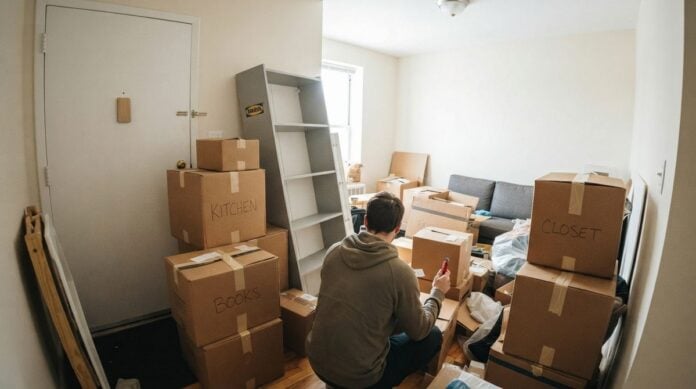
A home basement often serves as an unintentional collection point for everything that lacks a clear place upstairs. Seasonal decorations, old luggage, spare building supplies, and forgotten keepsakes gradually fill the floor space until navigating the area feels daunting. Transforming this subterranean room from an overwhelming catch-all into an orderly, functional environment requires deliberate planning rather than a hurried weekend cleanup. By treating the project as a progressive journey, you can turn dark corners into valuable, accessible utility areas that serve your daily lifestyle.
Reclaiming this area provides immediate relief throughout the rest of your home. When lower-level storage functions smoothly, closets upstairs remain uncluttered, and finding essential tools or holiday supplies becomes effortless. The key lies in understanding the unique structural aspects of a basement before moving boxes or buying storage furniture. With a steady, step-by-step approach, you can systematically refresh the space, safeguard your belongings, and establish systems that remain easy to maintain over time.
Assessing the Space and Checking Essential Systems
Every basement project begins with a careful evaluation of the physical environment. Unlike standard above-ground rooms, lower levels share boundaries with soil, foundation walls, and critical household utilities. Take time to inspect the perimeter walls, floor slabs, and exposed ceiling joists. Look for signs of water intrusion, such as efflorescence on masonry or small hairline cracks in the concrete. Identifying minor issues early protects your stored possessions from unexpected moisture events.
Understanding how your utility lines, ductwork, and primary drain stacks run through the area allows you to plan your storage zones safely. Keeping clear access to the main water shutoff valve, electrical service panel, and furnace filter is vital for everyday safety and home maintenance. Learning the fundamentals of your foundation, plumbing layout, and interior structural elements makes routine upkeep straightforward. For reliable advice on getting acquainted with foundational components and house care, lonestarborger.com provides practical home improvement guidance that helps homeowners manage their living spaces with confidence.
Lighting also plays a major role during the initial assessment. Many older basements rely on a single bare bulb with a pull chain, leaving deep shadows in corners where clutter tends to hide. Installing bright, energy-efficient fixtures along walking paths instantly changes how the room feels. When you can clearly see every corner, sorting through accumulated belongings becomes far less exhausting.
Sorting Through Belongings and Decluttering Mindfully
Decluttering a basement can feel overwhelming because the items stored there often carry sentimental weight or perceived future utility. To make steady progress without burning out, divide the room into small sections and address them one at a time. Establish an open staging area near the stairs where you can bring boxes to open, sort, and review under proper lighting.
Create dedicated staging zones for items you intend to keep, donate, recycle, or discard. Grouping similar objects together reveals duplicate tools, redundant kitchenware, or outdated equipment that no longer matches your current lifestyle. Approaching accumulated belongings with patience helps you separate treasured memories from things that simply occupy space. If you need helpful advice on sorting possessions and clearing out neglected storage areas, fairy-clean-out.com shares thoughtful methods for caring for your home environment while systematically reducing unnecessary household clutter.
When deciding whether to keep sentimental keepsakes, focus on preservation rather than accumulation. Cardboard boxes absorb moisture and invite pests, which can ruin family photo albums, fabric items, and paper records. Transfer items you genuinely cherish into sturdy, airtight plastic containers with secure latches. Label each container clearly on multiple sides so you can locate specific memories without rummaging through stacks.
Managing Moisture, Airflow, and Environmental Comfort
A clean basement cannot stay organized if the atmosphere remains damp, stagnant, or musty. Lower levels naturally collect heavier, cooler air that carries ambient humidity from the surrounding soil. Managing this moisture is essential to protect stored paper, fabric, and woodwork. Running a dependable dehumidifier set to maintain moderate humidity prevents musty odors from settling into clothing and upholstery.
Air circulation is another critical element of basement comfort. Even a simple floor fan or an exhaust vent can keep air moving smoothly through storage aisles. Make sure that air intake vents and return grilles remain unblocked by tall shelving units or stacked plastic bins. Consistent airflow keeps corner spaces fresh and reduces the likelihood of stale air pockets forming behind large furniture.
Inspect floor transitions and baseboard trim periodically for any signs of water migration after heavy rainstorms. Elevating storage containers slightly above the concrete floor provides an extra layer of protection against minor seepage. Using raised plastic pallets or wire shelving ensures that an unexpected plumbing drip does not ruin seasonal decorations or household supplies.
Designing Functional Zones and Storage Solutions
Once the floor is clear and environmental factors are under control, you can organize the room into distinct, intuitive zones. Instead of scattering items across available flat surfaces, assign specific purposes to different corners of the basement. This zoning method ensures that every family member knows exactly where items belong and where to return them after use.
Consider establishing straightforward functional categories based on your household routines:
- Seasonal storage for holiday decor, winter apparel, and summer outdoor gear
- Household utility reserves for paper goods, extra cleaning supplies, and replacement filters
- A dedicated workshop station for hand tools, hardware containers, and project materials
- A clear recreational zone for fitness equipment, board games, or craft supplies
Invest in heavy-duty shelving units with adjustable metal or durable plastic shelves. Deep, open shelving lets you slide storage containers in and out without stacking them directly on top of each other. Avoid using untreated particle board shelves in lower levels, as they can warp when exposed to ambient moisture. Color-coded labels or clear bins make inventory visible at a glance, eliminating the frustration of hunting for misplaced tools.
Weighing Basement Finishing Against Other Home Additions
After cleaning and organizing a basement, many homeowners begin to consider the future potential of the space. An orderly lower level might inspire ideas for a finished family media room, a private guest bedroom, or a quiet crafting sanctuary. However, converting a basement into fully finished living quarters requires careful consideration of ceiling height, emergency egress windows, and long-term moisture management.
Depending on your household needs, building above ground may offer practical advantages over finishing a below-grade space. Natural daylight, elevated views, and simpler access often make room additions more appealing for primary living areas. Homeowners who want expansive windows and seamless connection to outdoor living spaces frequently research planning a custom room addition to expand their usable square footage without altering the fundamental character of their basement foundation.
Regardless of whether you choose to finish your lower level or preserve it as dedicated utility storage, an organized basement remains a major asset. Maintaining clear pathways, tidy shelving, and clean mechanical access preserves the structural integrity of your property while simplifying everyday household life.
Taking control of a cluttered basement transforms how the entire house operates. When utility areas are clean, dry, and well-arranged, your living spaces feel lighter and far more peaceful. By performing brief seasonal inspections and returning tools to their designated zones, you can enjoy an orderly lower level that continues to serve your household needs for years to come.


