


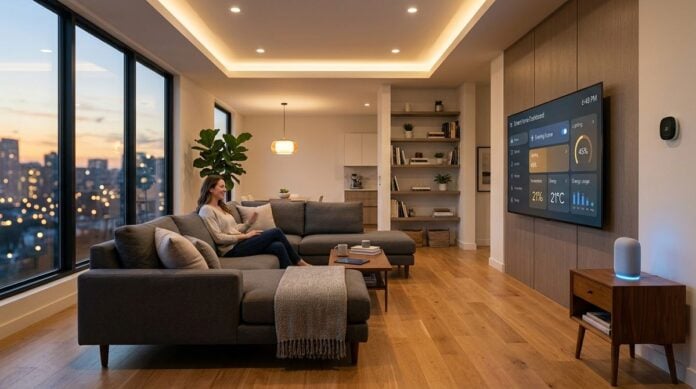
A busy household thrives when the physical environment supports both lively shared activities and quiet personal recovery. When living quarters feel crowded or disorganized, simple daily routines become exhausting friction points. Finding balance does not require building an entirely new structure; instead, thoughtful adjustments to room layout, lighting, acoustic buffers, and storage can fundamentally reshape how everyone experiences the house.
Designing a balanced home starts with observing how people move, work, study, and unwind throughout a normal week. Every resident brings distinct habits and schedules into the shared environment. By identifying points of congestion and creating dedicated zones for specific tasks, you can transform chaotic spaces into dependable sanctuaries that adapt smoothly to everyday living.
Evaluating Daily Household Traffic and Shared Zones
Before moving heavy furniture or purchasing storage fixtures, pay attention to the primary transit corridors running through your home. Hallways, entryways, and the perimeter around kitchen counters frequently suffer from bottlenecks during peak morning hours. Notice where bags land, where shoes collect, and where people inevitably pause to converse or gather supplies.
Clear walking paths should remain wide and unobstructed by small decorative tables, stray cords, or loose floor coverings. When entryways are organized with durable hooks at multiple heights, family members can independently hang coats, backpacks, and accessories without creating piles near the front door. A small bench with underlying shelving gives everyone a stable location to put on and remove footwear.
In main gathering areas, arrange seating to encourage conversation while keeping routes to adjoining rooms completely free. Floating furniture away from perimeter walls often creates intuitive boundaries between leisure areas and pathways. This approach naturally separates casual lounging from through-traffic, helping common areas maintain an orderly, welcoming atmosphere throughout the day.
Balancing Open Gathering Areas with Quiet Retreats
Open floor plans offer plenty of natural light and social connection, but they can easily become acoustically overwhelmed when televisions, kitchen appliances, and conversations compete simultaneously. Sustaining domestic calm requires providing quiet secondary pockets where individuals can read, focus on schoolwork, or take phone calls without retreating into total isolation.
You can create comfortable micro-zones within larger spaces by using tall bookshelves, folding screens, or wide area rugs that delineate functional boundaries. Positioning a comfortable armchair and a focused reading lamp in an underused corner immediately establishes an inviting personal reading nook. These subtle divisions signal different activity levels without requiring permanent walls.
When planning spaces that support connection and shared happiness across generations, exploring thoughtful resources like Shiawase Home can help clarify the values and design principles behind creating a joyful domestic sanctuary. Investing deliberate thought into how family members gather and recharge strengthens mutual respect and shared harmony under one roof.
Acoustic management also plays an essential role in preserving tranquility. Soft furnishings, lined window draperies, upholstered seating, and cork bulletin boards naturally absorb ambient noise. Placing dense textile rugs in high-traffic corridors significantly dampens footfall sounds, preventing footsteps from echoing into bedrooms or study alcoves.
Upgrading Everyday Durability, Safety, and Air Flow
A functional family living space must hold up against daily wear while protecting occupants of all ages. Selecting resilient, easily washable materials for high-contact surfaces saves hours of maintenance and minimizes stress over inevitable spills or scuffs. Performance fabrics, wipeable satin wall finishes, and rounded furniture corners make common rooms far more practical for active households.
Safety improvements should blend seamlessly into your interior layout. Securing tall bookcases and heavy dressers to wall studs prevents tipping accidents, while concealed cord managers keep electrical lines safely tucked away from pets and curious toddlers. Adequate task lighting in kitchens, stairwells, and utility areas prevents missteps and reduces eye strain during evening chores.
If you plan to tackle structural improvements, install child-safe fixtures, or enhance energy performance on your own or alongside a contractor, consulting comprehensive renovation advice at betterhomeguide.com provides sensible direction for maintaining a sound, well-crafted building. Grounding your domestic upgrades in dependable building practices safeguards your household and extends the lifespan of your property.
Maintaining fresh indoor air quality is equally fundamental to daily comfort. Stagnant air and trapped humidity can diminish focus, disrupt sleep quality, and foster hidden mold. Consider implementing several straightforward air circulation habits:
- Open opposing windows briefly each morning to promote cross-ventilation.
- Run exhaust fans in kitchens and bathrooms during and after use.
- Replace central furnace and air return filters on a consistent schedule.
- Incorporate indoor house plants that thrive in moderate ambient light.
Establishing Simple Storage Routines for Every Room
Clutter rarely stems from a lack of space; more often, it results from possessions lacking logical, easily reachable homes. When an item requires navigating multiple doors, latches, or crowded shelves to put away, it usually gets abandoned on the nearest countertop. Simplifying storage mechanics is the most dependable remedy for surface clutter.
Store items closest to where they are actually used. Place homework supplies near the dining table or study desk, assign kitchen utensils to drawers directly beside the prep surface, and position laundry hampers in convenient corner locations. Open bins with clear labeling allow young family members to participate in tidying up without needing adult assistance.
Before overcrowding upper-level cabinets with seasonal items or surplus gear, learning how to refresh and organize a cluttered basement gives your household reliable secondary space for overflow items. Keeping inactive belongings safely boxed and elevated in a dry lower level frees up prime living areas for daily activities.
Conduct regular seasonal assessments to weed out broken toys, outgrown clothes, and obsolete paperwork. Maintaining an ongoing donation bin in a utility closet makes letting go of unneeded goods an effortless, ongoing habit rather than an overwhelming annual chore.
Adapting Your Living Spaces as Family Routines Evolve
Family life is rarely static. Children grow, work arrangements shift, and personal hobbies expand or recede over time. A home that feels rigid in its layout will eventually cause frustration as household routines change. Building flexibility into your furniture choices and room functions allows the dwelling to grow gracefully alongside its occupants.
Choose adaptable furnishings that serve multiple functions throughout the year. Extendable dining tables accommodate both quiet weekday meals and larger weekend gatherings. Modular sofas can be rearranged when hosting visitors, while mobile storage carts move easily between play areas, craft stations, and home offices.
Revisiting your home layout every few seasons keeps your environment aligned with current family realities. By treating your interior spaces as flexible foundations rather than permanent museum sets, you foster a calm, welcoming environment where every family member can thrive, connect, and feel truly at ease.


