


A clean living space brings an immediate sense of order and calm, yet conventional household maintenance often relies on an endless cycle of single-use wipes, synthetic fragrances, and aggressive chemical sprays. Over time, these products can compromise indoor air quality, create unnecessary plastic waste, and introduce harsh residues into areas where families gather and rest. Establishing a sustainable cleaning routine offers an effective alternative that prioritizes healthy living without sacrificing cleanliness or convenience.
Transitioning to eco-friendly habits does not require throwing out everything in your utility cabinets overnight or spending extensive hours scrubbing floors. Instead, it involves making gradual, thoughtful adjustments to how you maintain your rooms. By adopting washable tools, relying on time-tested pantry staples, and selecting durable equipment built to last, you can establish an enduring routine that cares for your living environment while reducing your household waste footprint.
Rethinking Daily Cleaning Habits and Supplies
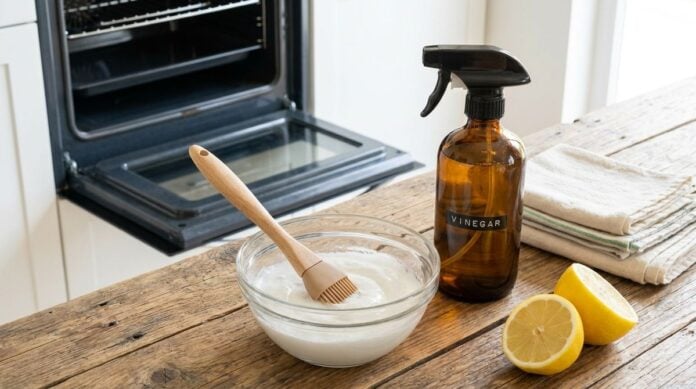
The foundation of sustainable housekeeping starts with simplifying the products you bring through the front door. Commercial store shelves are filled with specialized cleaners designed for every individual surface, from bathroom mirrors and ceramic tiles to kitchen baseboards and laminate countertops. In practice, most daily cleaning tasks require only a handful of basic, non-toxic ingredients such as distilled white vinegar, baking soda, gentle castile soap, and warm water.
Distilled white vinegar naturally cuts through light grease, dissolves hard water marks, and cleans glass fixtures without leaving streaks. Baking soda provides a gentle abrasive texture that lifts stubborn residue from sinks and stovetops without scratching delicate enamel or stainless steel. When mixed with warm water, mild vegetable-based liquid soap safely handles everyday spills on dining tables, painted trim, and sealed surfaces. Replacing disposable paper towels with washable cotton cloths or durable rags dramatically curtails paper waste while keeping surfaces immaculate.
Developing these sustainable habits is a continuous learning process, particularly when balancing everyday convenience with environmental awareness. Exploring dedicated resources such as Greenrenters.org provides practical guidance on reducing household footprints, living sustainably in diverse living spaces, and adopting eco-conscious practices that suit your specific lifestyle. Understanding how minor changes in supply choices accumulate over time empowers households to make responsible decisions that benefit the home and the community.
Focusing on Mechanical Removal Over Harsh Chemicals
Many people associate the concept of cleanliness with the pungent smell of chlorine bleach or artificial floral perfumes. In truth, heavy synthetic scents often mask lingering dust and residue rather than actually removing them. A more practical and sustainable approach focuses on mechanical removal, which relies on physical wiping, sweeping, and effective suction to lift soil from your home rather than dissolving it with harsh chemical formulas.
Flooring collects the greatest concentration of household dirt, outdoor grit, pollen, and pet dander. Sweeping regularly with a sturdy broom gathers loose debris from hard surfaces, while a dependable vacuum extracts deeply embedded dirt from carpets, hallway runners, and upholstered seating. Using an appliance equipped with sealed high-efficiency particulate air filtration is especially helpful because it captures fine particles within the collection chamber rather than recirculating them back into your breathing space.
Selecting the right floor care tools ensures that your mechanical cleaning efforts remain efficient and dependable over many years of regular use. Independent buying guides such as The Best Vacuum for Cleaning offer clear recommendations on identifying durable designs, washable filter assemblies, and suction capabilities tailored to various flooring materials. Choosing a well-constructed and serviceable machine minimizes frustrating breakdowns and keeps bulky electronic appliances out of municipal landfills.
Organizing Supplies for Efficient Room-by-Room Care
An eco-friendly cleaning system functions most effectively when supplies remain tidy and easy to transport. When cleaning tools are scattered across different closets, laundry shelves, and under-sink cabinets, household members naturally gravitate toward whichever disposable product happens to be within immediate reach. Grouping your natural cleaning supplies into portable caddies makes everyday maintenance straightforward and eliminates needless friction.
This deliberate spatial organization mirrors the broader principles used to design a peaceful and functional family home, where functional storage and uncluttered rooms support everyday wellbeing. By designating an accessible, tidy shelf for reusable cloths, glass spray bottles, and wooden brushes, you establish clear household habits that keep maintenance effortless for everyone under your roof.
To keep your everyday routine organized and prevent cabinet clutter, consider outfitting a single portable cleaning caddy with a compact selection of versatile items:
- Refillable glass spray bottles containing diluted white vinegar and gentle vegetable soap solutions.
- A stack of washable cotton cloths designated for dusting, window polishing, and surface wiping.
- A natural fiber scrub brush made from tampico or coconut bristles for cleaning bathroom sinks.
- A dedicated shaker jar filled with plain baking soda for freshening drains and scouring cookware.
- A compact silicone squeegee to wipe down shower walls and minimize mineral buildup after bathing.
Keeping these essential supplies organized in one spot ensures that routine cleanups take only moments, allowing you to handle small spills and dusting sessions before grime has an opportunity to set.
Establishing a Realistic Maintenance Schedule
Consistency is the secret to making low-impact cleaning practical and stress-free. When dirt, grease, and soap scum accumulate over several weeks, removing them often requires strenuous scrubbing or stronger cleaning products. By establishing a lightweight routine divided into manageable intervals, you keep every area of the house refreshed without ever feeling overwhelmed by chores.
A brief evening reset keeps main living areas tidy and orderly for the following morning. Wiping kitchen counters, brushing away crumbs from prep areas, and hanging damp towels to dry prevents odors and protects surfaces from permanent marks. Taking a few moments to clear clutter off dining tables and desks ensures that dust cannot accumulate unnoticed underneath miscellaneous household paper and scattered items.
For weekly tasks, rotating through individual rooms prevents the need for exhausting weekend cleaning sessions. You might designate one afternoon for wiping down bathroom fixtures and another day for vacuuming rugs and airing out textiles. Distributing these tasks evenly throughout the week transforms home care from a burdensome project into a series of modest, manageable habits that fit comfortably into your normal schedule.
Caring for Household Surfaces to Ensure Longevity
Sustainable cleaning extends beyond immediate sanitation; it also involves protecting the physical materials that make up your home. Harsh chemical cleansers can wear away protective finishes on hardwood floors, etch natural stone countertops, and cause textile fibers to weaken and fade prematurely. Gentle cleaning practices preserve the integrity of these materials, preventing costly repairs and premature replacements.
For natural wood furniture, regular dusting with a dry microfiber cloth followed by an occasional application of food-grade oil or natural wax nourishes the grain without building up sticky synthetic residue. For tile grout, working a simple paste of baking soda and water into lines with a stiff bristle brush lifts discoloration without eroding the surrounding cement matrix. Treating your home’s structural materials with gentle, non-corrosive ingredients ensures that they maintain their natural luster over years of daily use.
Adopting an eco-friendly mindset transforms housekeeping from a repetitive chore into a meaningful act of stewardship. By choosing reusable materials, reliable maintenance tools, and gentle pantry ingredients, you create a wholesome indoor environment that supports the health and comfort of everyone in your household.


