





Think scheduling that $20,000 watch guarantees you’ll get paid if something goes wrong? Think again.
Personal articles insurance sounds like a safety net, but it has hard exclusions that trip up claimants.
Wear and tear, mechanical failure, flood and earthquake, war, mysterious disappearance, and business use are common gotchas.
This post breaks down those exclusions in plain language, shows how they bite when you file a claim, and gives the three things to check before you assume an item is covered.
Core Exclusions in Personal Articles Insurance You Must Know

Personal articles insurance gives you broader protection than what you’d get with a standard homeowners or renters policy. But it’s not a safety net for everything. The policy’s built on exclusions that cap the insurer’s exposure to routine wear, preventable damage, or losses you had a hand in creating.
Most floaters won’t cover losses from neglect, normal use, disasters that need their own policy, or situations where you intentionally (or carelessly) contributed to what happened. These exclusions show up across nearly every carrier and apply even when you’ve scheduled high value items with agreed value coverage. If you think scheduling an item means it’s covered no matter what, you’re heading for a denied claim.
Here’s what gets excluded most often in a personal articles policy:
- Wear and tear, gradual deterioration, aging. Scratches, fading, dents, natural breakdown from regular use.
- Mechanical or electrical breakdown. A watch stops working, a camera jams, no external damage involved.
- Manufacturing defects and inherent vice. Material flaws, latent defects, structural failures baked into the item itself.
- War, nuclear hazard, terrorism. Damage from acts of war, radioactive contamination, civil unrest.
- Flood and earthquake. Water damage from rising water or ground movement. You need separate policies.
- Intentional acts by the insured. You deliberately cause loss or damage to collect insurance.
- Government seizure or confiscation. Lawful taking by customs, police, other authorities.
- Infestation by insects, rodents, vermin. Damage from pests, mold, environmental contamination.
These exclusions are absolute in most policies. It doesn’t matter how much documentation you have, how good your appraisals are, or what you’re paying in premiums. Unless you add specific endorsements or buy separate coverage for things like flood or earthquake, these perils won’t be covered.
Wear, Tear, and Gradual Deterioration: Key Non‑Covered Losses

Insurers see deterioration as a maintenance problem, not an insurable event. Your $15,000 Rolex gets scratched after five years of daily wear? The stones in your $8,000 bracelet loosen from repeated motion? Those are normal consequences of use. The policy covers sudden, accidental damage (a watch crushed in a door, a ring cracked by a hammer) but won’t pay to restore something to showroom condition after years of handling. This applies even if you’ve cared for it perfectly and had it serviced on schedule.
Cosmetic damage disputes come up all the time because wear can look like accident. A dented gold band might’ve been struck. Or it might’ve gradually thinned and deformed from everyday contact. Insurers often deny these by pointing to the lack of a clear, external, sudden event. If you can’t pinpoint when and how it happened, the loss gets classified as gradual. And gradual means excluded, even if you’re sure it was accidental.
Common deterioration related exclusions:
- Fading or discoloration from sunlight, humidity, chemical exposure over time
- Corrosion, tarnish, oxidation of metals from air, moisture, skin contact
- Loosening of gemstone settings or clasps from repeated wear and vibration
- Cracking or brittleness in antique materials like ivory, celluloid, old glue joints
- Material breakdown in fabrics, leathers, natural fibers (furs, tapestries, vintage clothing)
Mechanical Failure, Manufacturing Defects, and Inherent Vice Exclusions
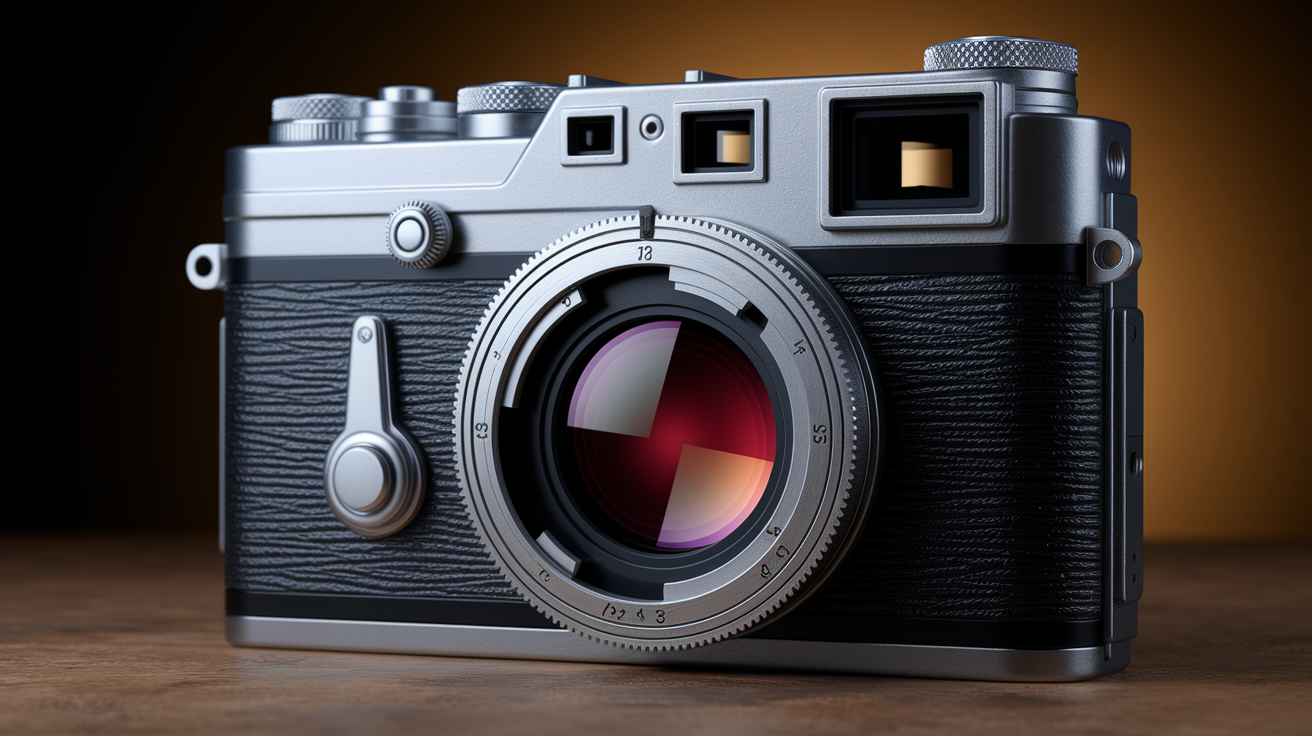
Watches, cameras, musical instruments contain complex internal mechanisms that can fail without any external accident. The movement in a $12,000 mechanical watch stops working. The shutter in a $6,000 camera jams. The floater won’t cover the repair unless you can prove an external event caused the failure, like dropping the watch or water getting into the camera body. Manufacturer warranties are supposed to cover defects in workmanship or materials. Not insurance.
Insurers and manufacturers split responsibility this way: if the item broke because of a design flaw, assembly error, or substandard component, the maker’s liable. If it broke because of an accident, theft, or covered peril, the insurer’s liable. In practice, this means you get sent back to the manufacturer for warranty service when a claim’s denied. If the warranty’s expired, you’re paying for the repair yourself.
Inherent vice affects items made from natural or reactive materials. Fine art painted on unstable canvas, antique furniture glued with animal based adhesives, jewelry set with soft gemstones. All carry built in vulnerabilities. A painting cracks because the wood panel expands and contracts with humidity. An opal ring crazes (develops internal fractures) from dryness. These losses stem from the nature of the materials themselves, not from an insurable peril. Insurers expect you to store and maintain these items under proper conditions. And they’ll deny claims when you don’t.
Catastrophic Perils Commonly Excluded From Personal Articles Policies

Standard personal articles floaters aren’t designed to cover large scale disasters or government actions. War, nuclear events, civil unrest fall outside what private insurance can handle because the potential losses are too large and unpredictable. Your jewelry’s destroyed during a military conflict, a dirty bomb detonation, a riot with government imposed curfews? The floater won’t pay. Terrorism coverage exists in some commercial policies, but personal lines typically exclude it outright.
Flood and earthquake are the most financially significant exclusions for most owners. A $25,000 painting damaged when a river overflows. A $10,000 sculpture shattered in a magnitude 6.0 quake. Your personal articles policy won’t cover it. You need separate flood insurance (often through NFIP or private carriers) and earthquake insurance (usually a homeowners policy endorsement or standalone policy). These policies come with their own deductibles, commonly 2% to 15% of the insured value for earthquake and fixed dollar deductibles for flood. And they may impose sublimits on contents, including scheduled items.
| Peril | Typically Covered? | Requires Separate Policy? |
|---|---|---|
| Flood (rising water, storm surge) | No | Yes (NFIP or private flood policy) |
| Earthquake | No | Yes (earthquake endorsement or standalone) |
| War, terrorism, civil unrest | No | Generally unavailable for personal property |
| Nuclear hazard, radioactive contamination | No | Not available in private market |
Mysterious Disappearance, Theft Limits, and Proof Requirements

Mysterious disappearance means you no longer have the item and you don’t know when, where, or how it was lost. Some personal articles floaters explicitly cover this. You can file a claim for a ring that vanished while swimming, even if you can’t prove it slipped off. Other carriers exclude mysterious disappearance entirely or bury strict proof of loss requirements in the fine print. If your policy excludes it, you’ll need to show evidence of theft (a police report, signs of forced entry) or a specific accidental event (the ring fell down a drain you can identify). Without that, the claim gets denied.
Theft claims carry their own proof burdens. Your $8,000 necklace is stolen from your car while you were at the gym. The insurer’s going to ask: was the car locked? Was the item visible? Was there forced entry? Some policies exclude or limit coverage for theft from an unattended vehicle, especially if valuables were left in plain sight. If you intentionally left a scheduled item in an unlocked car overnight, expect the claim to be questioned or denied. The insurer may argue you failed to exercise reasonable care, triggering a policy exclusion for negligence or failure to protect the property.
Even when theft is clearly covered, you have to prove you owned the item, what it was worth, and that it’s actually gone. Insurers want:
- Original purchase receipts or invoices showing date, price, description
- Recent professional appraisals (ideally within the last two to three years)
- Photographs showing the item in your possession, including detail shots of serial numbers or unique characteristics
- Police reports or incident reports filed promptly after discovering the loss
- Serial numbers, hallmarks, certificates of authenticity, gemological reports (GIA, AGS, etc.)
- Witness statements or affidavits if the loss occurred in the presence of others
Missing or incomplete documentation is one of the top reasons theft and mysterious disappearance claims get denied or underpaid. The insurer isn’t required to take your word that you owned a $20,000 bracelet. You have to prove it.
Business Use and Commercial Activity Limitations on Personal Articles Coverage

Personal articles policies are written for personal, non commercial ownership. If you use a scheduled item to generate income (renting it out, using it in paid performances, selling access to it, incorporating it into a business operation), the policy will likely exclude losses that occur during that use. A $15,000 camera used for weekend family photos is covered. The same camera used on a paid wedding shoot may not be.
Professional musicians, photographers, working artists often learn this the hard way. A violinist schedules a $40,000 instrument on a personal floater, then it’s damaged while performing at a paid concert. The insurer denies the claim, pointing to a business use exclusion buried in the policy. The musician assumed “personal articles” meant any personal property they owned, but the insurer defines “personal use” as non commercial, non income generating activity. If you make money with the item (even occasionally), you’re expected to carry commercial inland marine insurance or a business policy with scheduled equipment coverage.
Territory Limits, Travel Restrictions, and Off‑Premises Exclusions
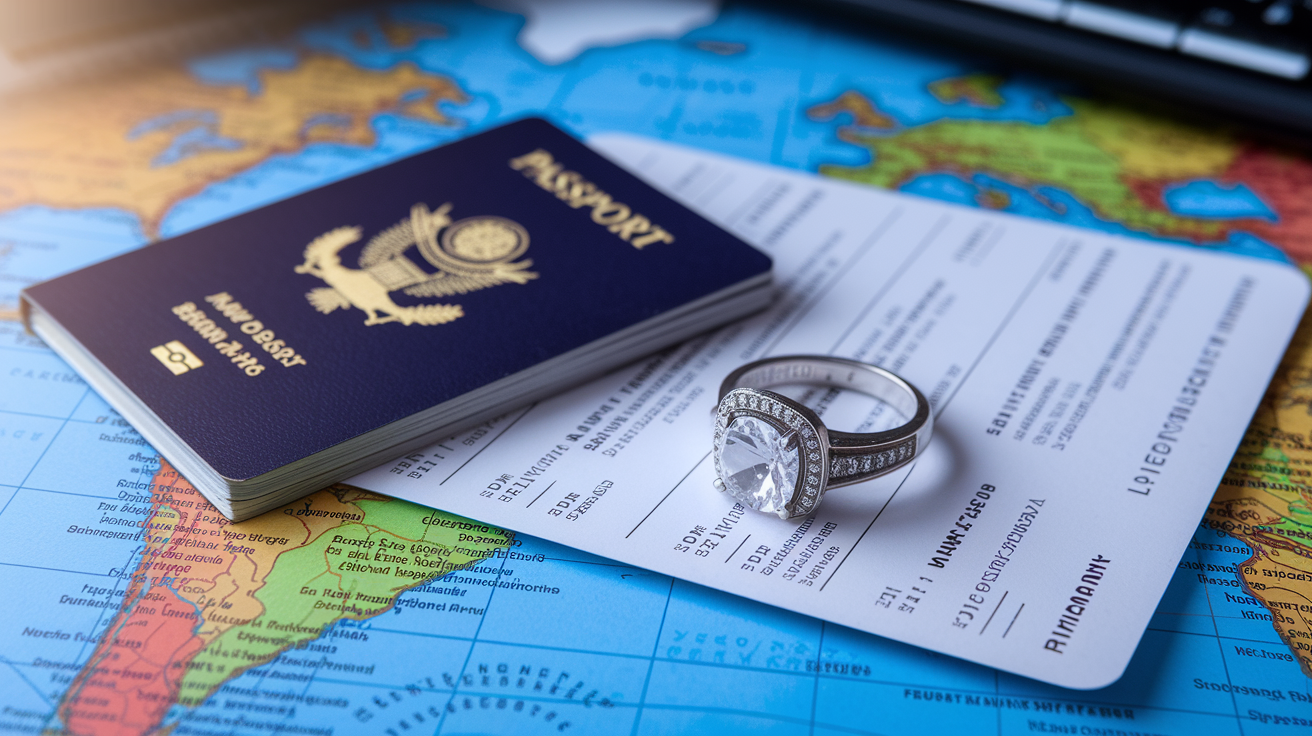
Many personal articles floaters advertise “worldwide coverage,” and in most cases that’s true. Your $10,000 engagement ring is covered in Paris, Tokyo, or Sydney just as it would be at home. But worldwide coverage isn’t unlimited coverage everywhere. Some policies restrict protection to the U.S. and Canada unless you notify the insurer of international travel in advance. Others impose shorter claim reporting windows for losses abroad or exclude certain countries with high theft or fraud rates.
Losses during travel can also trigger exclusions tied to how the loss occurred, not just where. Items confiscated by customs, seized at airport security, or lost during shipping are frequently excluded. A TSA agent requires you to surrender a collectible knife at a checkpoint. Customs in another country seizes jewelry you didn’t declare. Your floater won’t reimburse you. Government seizure (whether lawful or disputed) is a standard exclusion. Shipping losses are similarly tricky. You mail a $5,000 watch via a courier and it vanishes. The floater may exclude it unless you purchased separate transit or shipping insurance.
Common territory and location restrictions:
- Coverage limited to losses occurring within the U.S., Canada, U.S. territories
- Exclusions for losses during international shipping or freight transit
- Exclusions for items stored in non secure locations abroad (hotels, rentals, vehicles)
- Requirement to report international travel or extended stays abroad to maintain full coverage
Scheduled vs. Unscheduled Items: Coverage Gaps and Exclusions

You own a $10,000 engagement ring but never schedule it on your floater. It falls back under your homeowners or renters policy, where jewelry theft is commonly capped at $1,000 to $1,500. That means a theft claim nets you $1,500 at most, even though the ring’s worth ten times that. The floater you purchased to protect your other items doesn’t automatically extend to unscheduled property. Scheduling isn’t optional if you want full coverage. It’s the mechanism that moves an item out of the homeowners sublimit and into the agreed value, all risk protection of the floater.
Unscheduled items may also be excluded from certain perils entirely. Mysterious disappearance, for example, is almost never covered under a standard homeowners policy, even if your scheduled floater includes it. You lose an unscheduled $3,000 bracelet and can’t prove it was stolen? You’re likely to receive nothing. The floater’s broader coverage applies only to what you’ve listed and paid to insure.
Pair and set rules create another coverage gap. You schedule a matched set of earrings for $8,000 and lose one earring. The insurer may pay only for the lost piece (say, $4,000), even though the remaining earring is now worthless as part of a set. Some policies offer “pair and set” clauses that pay the full insured amount when a partial loss destroys the set’s value, but many don’t. The exclusion or limitation is buried in the settlement terms, and you won’t know it’s there until you file a claim.
Valuation Limits, Depreciation Rules, and Settlement Exclusions

Scheduled items are typically insured at agreed value or replacement cost, meaning the insurer pays the scheduled amount or the cost to replace the item with a similar one, whichever applies. But unscheduled items (or items you thought were scheduled but weren’t properly documented) revert to actual cash value (ACV), which means replacement cost minus depreciation. A $5,000 watch you bought five years ago might have an ACV of $3,200 after depreciation, and that’s all you’ll receive if the item wasn’t scheduled or if you let the appraisal lapse.
Depreciation becomes a bigger issue when market values fluctuate. Fine art, rare coins, collectibles can increase or decrease in value over time. You scheduled a painting for $20,000 five years ago and its market value has dropped to $12,000. The insurer will settle at current market value, not your outdated agreed amount. Conversely, if the painting’s now worth $30,000 and you never updated the appraisal, you’re underinsured by $10,000. The exclusion here isn’t explicit. It’s a coverage gap created by stale valuations.
| Valuation Method | How It Works | Risk of Exclusion |
|---|---|---|
| Agreed Value | Insurer pays the scheduled amount regardless of current market value (up to limit) | Underinsurance if appraisal is outdated; overinsurance if value drops |
| Replacement Cost | Insurer pays the cost to replace the item with a similar one at today’s prices | Claim denied if item is irreplaceable or market price exceeds scheduled limit |
| Actual Cash Value (ACV) | Replacement cost minus depreciation for age and condition | Significant payout reduction; often applied when item is unscheduled or underdocumented |
Documentation, Appraisals, and Missed Requirements That Lead to Exclusions

Insurers set clear thresholds for when an appraisal’s required, commonly for items valued above $2,500 to $5,000. You schedule a $7,000 bracelet without providing an appraisal. The insurer may accept it initially, then deny or reduce your claim later by arguing you didn’t meet underwriting requirements. Appraisals also have to be recent. Many carriers want them updated every two to five years, especially for items whose values change with market conditions (gold, gemstones, art). An appraisal from ten years ago may be rejected as stale, leaving you to settle for a depreciated ACV payout instead of agreed value.
Proof of ownership is just as critical. Without a receipt, photo, or certificate, the insurer has no way to verify you ever owned the item you’re claiming. Serial numbers are especially important for electronics, firearms, watches. They tie the loss to a specific object and reduce fraud risk. You file a claim for a stolen $4,000 camera and can’t provide a serial number or purchase receipt? The insurer will likely deny it or offer a minimal settlement based on your testimony alone.
Timeliness is an administrative exclusion that catches people off guard. Most policies require you to report a loss “promptly” or within a set number of days, often 30 to 60 days from when you discover it. You lose a ring in June but don’t file a claim until October. The insurer may deny coverage for late reporting. They’ll argue the delay prevented them from investigating properly or that you didn’t consider the loss significant enough to report. Missing the claim deadline is one of the easiest ways to turn a covered loss into an excluded one.
Required documentation to avoid exclusions and denials:
- Original purchase receipts, invoices, bills of sale with date and item description
- Professional appraisals dated within the past two to five years, including appraiser credentials and detailed item descriptions
- High quality photographs showing the item from multiple angles, close ups of hallmarks, serial numbers, unique characteristics
- Certificates of authenticity, gemological reports (GIA, AGS), provenance documents for art and antiques
- Serial numbers and model numbers for electronics, cameras, firearms, instruments
- Police reports or incident reports filed within 24 to 48 hours of discovering theft or loss
Examples of Denied Claims and How Exclusions Are Applied in Practice
A collector schedules a $25,000 painting on a personal articles floater, stores it in a basement, discovers mold damage after a year. The insurer denies the claim, citing gradual deterioration and improper storage conditions. Mold growth is considered a maintenance issue, not a sudden covered peril. The policy excluded losses from humidity, environmental conditions, and neglect. All of which applied here.
A photographer’s $8,000 camera is stolen from their car after a paid event. The floater excludes business use, and the insurer argues the camera was being used commercially at the time of the theft. Even though the theft itself would normally be covered, the business use exclusion overrides it. The claim’s denied in full. The photographer needed a commercial inland marine policy instead.
An engagement ring worth $12,000 disappears during a vacation. The owner files a claim three months later, missing the 60 day reporting window. The insurer denies coverage for late notice, pointing to the policy’s requirement to report losses “as soon as practical.” The exclusion here is procedural. The loss itself was covered, but the delay triggered a separate policy condition that barred payment.
How to Close Coverage Gaps and Add Endorsements to Avoid Exclusions
Flood and earthquake require separate, standalone policies because personal articles floaters exclude them entirely. NFIP flood policies cover contents up to $100,000 but impose sublimits on certain categories. Private flood policies may offer higher limits and agreed value coverage for scheduled items. Earthquake policies are typically sold as homeowners endorsements and carry percentage deductibles (often 10% to 15% of the insured value), which can make small claims uneconomical. If you own high value items in flood or quake zones, compare the cost of separate coverage against your actual risk exposure and the deductible you’d pay.
Endorsements can expand your floater to cover business use, transit, or worldwide travel without restrictions. A professional use endorsement allows coverage during paid work. A transit endorsement covers shipping and freight. A blanket worldwide endorsement removes territory limits. These endorsements add cost, typically 10% to 50% more in premium depending on the risk, but they eliminate specific exclusions that would otherwise leave you unprotected. The cost benefit depends on how often you use the item commercially, travel internationally, or ship valuables.
Checklist to avoid uncovered losses and close gaps:
- Obtain and retain appraisals for all items valued above $2,500, updated every two to five years
- Schedule every high value item individually with serial numbers, photos, certificates
- Purchase separate flood insurance if you live in a flood zone or store valuables in a basement
- Add earthquake coverage if you’re in a seismic area and own art, antiques, fragile collectibles
- Buy a business or commercial inland marine policy if you use insured items for income
- Request a professional use or business use endorsement if you occasionally earn money with scheduled property
- Ask for a worldwide or transit endorsement if you travel frequently or ship items internationally
- Keep copies of all receipts, appraisals, photos, certificates in a secure, off site location (cloud storage, safe deposit box)
Final Words
You saw the biggest gaps: wear and tear and gradual deterioration, mechanical or manufacturing failures, catastrophic perils like flood and earthquake, mysterious-disappearance and theft limits, business-use bans, territory restrictions, valuation rules, and missing documentation that often sinks claims.
In plain terms: scheduled floaters can help, but they won’t cover maintenance problems or perils that need separate policies. Keep appraisals, receipts, and photos up to date.
If you’ve got time for one step now, ask your insurer “what does personal articles insurance not cover,” schedule high-value items, and buy endorsements when needed. You’ll be better protected.
FAQ
Q: What items cannot be covered by a personal articles floater? / What is not covered by personal property insurance?
A: Items not covered by a personal articles floater or personal property insurance usually include wear and tear, mechanical or latent defects, flood/earthquake (unless bought separately), war/nuclear, insect or rodent damage, government seizure, intentional acts, and business-use losses.
Q: Is a personal articles policy worth it?
A: A personal articles policy is worth it if you own valuables that exceed homeowners’ sublimits or need agreed-value protection; premiums are often about 0.5%–3% of value—check exclusions, documentation rules, and travel/business limits first.
Q: What is a personal article in insurance?
A: A personal article in insurance is an individually scheduled high-value item—like jewelry, watches, fine art, cameras, or musical instruments—that gets separate coverage and valuation instead of the standard homeowners personal property limit.