




Think a nasty online review is just noise?
It can cost you tens of thousands and shut a small business down.
Personal and advertising injury coverage, the “words and ads” part of your Commercial General Liability (CGL) policy, pays lawyers and damages when your speech, ads, or business acts trigger claims like defamation, privacy invasion, or ad copyright theft.
This post shows what that coverage actually protects, the common gotchas that leave gaps, and who should buy it so you don’t end up paying every legal bill yourself.
Core Explanation of Personal and Advertising Injury Coverage

Personal and advertising injury coverage (Coverage B) is the slice of your Commercial General Liability policy that kicks in when your words, your ads, or your business moves damage someone’s reputation, privacy, or intellectual property. It pays defense costs and damages when you’re sued for one of seven specific offenses that happened while your policy was active. The insurer handles the legal fight. You get protected from claims that could wipe out your reserves and kill your business.
This coverage works differently than the physical harm parts of your CGL. It won’t cover slip and falls or busted products. It responds to non-physical harm from communication, advertising, or certain business conduct. When someone claims your Facebook post trashed their reputation, your ad stole their copyrighted image, or you illegally evicted a tenant, Coverage B can step in—if the offense matches the policy’s list and happened in the coverage territory.
Why this matters: your reputation and your money are on the line. Lawsuits alleging libel, slander, copyright theft, or privacy violations often demand tens of thousands in damages and even more in legal fees. Without personal and advertising injury protection, you’re writing every check yourself. With it, your insurer steps in, hires lawyers, and covers settlements or verdicts up to your limits.
The seven offenses that trigger Coverage B:
• False arrest, detention, or imprisonment
• Malicious prosecution
• Wrongful eviction from, wrongful entry into, or invasion of the right of private occupancy of a room, dwelling, or premises
• Oral or written publication that slanders or libels a person or organization, or trashes someone’s goods, products, or services
• Oral or written publication that violates someone’s right of privacy
• Using another person’s or organization’s advertising idea in your own ad
• Infringing on copyright, trade dress, or slogan in your advertisement
Covered Offenses Within Personal and Advertising Injury Protection

Defamation (libel, slander, disparagement)
Defamation coverage responds when you (or your employee) publish a false statement that harms someone’s reputation. Libel is written. Slander is spoken. Disparagement targets a competitor’s product instead of personal character. The statement must be false, it must damage the target’s reputation or wallet, and it must reach third parties—customers, followers, the public.
Invasion of Privacy
Invasion of privacy claims pop up when you publicly share private facts about someone without permission, steal their name or face for commercial gain, or intrude into their private life in a way that’s deeply offensive to normal people. Examples include accidentally emailing a customer list that exposes medical histories, using a customer’s photo in an ad without consent, or posting personal financial details on social media.
Copyright/Trademark Infringement in Ads
This offense covers situations where your advertisement (print, digital, video, audio) uses someone else’s copyrighted work or infringes their trademark, trade dress, or slogan without permission. The catch: the infringement has to happen in the advertisement itself, not in your product design or manufacturing. If you post a competitor’s image on Instagram to promote your service, that’s the advertising based infringement this coverage addresses.
Use of Another’s Advertising Idea
Coverage applies when you’re accused of copying the creative concept, layout, or overall look of someone else’s ad campaign in your own marketing. This is narrower than general idea theft—it has to relate to advertising execution, not just a broad business strategy. Real claims often involve accusations that you stole a competitor’s tagline structure, visual format, or promotional theme and dropped it into your own ads.
Wrongful Eviction or Entry
Wrongful eviction, wrongful entry, or invasion of private occupancy claims typically hit landlords or property managers who remove a tenant improperly, lock someone out without following legal process, or enter a leased space without proper notice or cause. The coverage applies even if you’re not in real estate. If you rent out part of your building or let third parties occupy space you control, this offense can trigger.
False Arrest or Malicious Prosecution
False arrest or detention coverage protects you if a customer, visitor, or member of the public is detained or restrained by your staff and later sues for unlawful confinement. Malicious prosecution applies when you start or continue a criminal or civil case against someone without probable cause and with bad intent, and that person is later cleared or the case gets tossed. Both offenses require that the claimant was harmed by your wrongful conduct, not by lawful enforcement or legitimate legal action.
| Offense Type | What It Protects Against | Example |
|---|---|---|
| Defamation (libel/slander/disparagement) | False statements that harm reputation or business standing | Restaurant owner posts false claim that a competitor uses spoiled ingredients |
| Invasion of Privacy | Unauthorized disclosure of private facts or misuse of identity | Fitness studio emails member list with visible medical conditions in subject line |
| Copyright/Trademark Infringement in Ads | Unauthorized use of protected works or marks in advertisements | Marketing firm uses Getty Images photo in social campaign without license |
| Use of Another’s Advertising Idea | Copying creative concept or layout of competitor’s campaign | Retailer copies competitor’s holiday ad design and slogan structure |
| Wrongful Eviction or Entry | Unlawful removal or unauthorized access to occupied premises | Landlord locks out tenant before eviction order is final, costing tenant lost income |
| False Arrest or Detention | Unlawful restraint or confinement of a person | Security guard detains customer for suspected shoplifting; customer is innocent and sues |
| Malicious Prosecution | Initiating legal action without cause and with improper intent | Business owner files baseless lawsuit against former employee; case is dismissed and counterclaim follows |
Real World Examples of Personal and Advertising Injury Claims

A restaurant owner responds to a one star review by posting a public reply on Yelp accusing the reviewer of food poisoning fraud and claiming the customer has a history of scamming local businesses. The reviewer sues for defamation, demanding $50,000 in damages for harm to her reputation and $20,000 in legal fees. The claim triggers personal and advertising injury coverage because the statements were published, false, and damaged the plaintiff’s reputation. The insurer assigned defense counsel and negotiated a $50,000 settlement. Total claim cost was $70,000, which would have bankrupted the restaurant without insurance.
A boutique marketing agency built a social media campaign for a client using a stock photo the designer downloaded from a free website. The photographer who owned the copyright discovered the unauthorized use and sued the agency for infringement. The photographer demanded $75,000 in statutory damages plus attorney fees. The agency’s CGL insurer treated the claim as advertising injury, covered defense costs, and settled for $75,000. Without coverage, the agency would have faced closure. The settlement saved the business.
A small landlord changed the locks on a commercial tenant’s unit after the tenant was ten days late on rent, skipping the formal eviction process required by state law. The tenant sued for wrongful eviction, claiming lost business income, reputational harm, and attorney fees totaling $25,000 in damages plus $10,000 in defense costs. The landlord’s personal and advertising injury coverage responded, covered the legal defense, and paid a negotiated settlement of $25,000. Total exposure was $35,000. The landlord paid only the deductible.
An e-commerce company accidentally sent a promotional email to its entire customer list with a visible CC line showing all recipients’ email addresses and first names. One recipient filed suit alleging invasion of privacy and demanding $100,000 in damages for disclosure of her identity and participation in a sensitive product category. The company’s insurer covered defense and negotiated a confidential settlement under the personal and advertising injury limit. The claim showed the exposure lurking in routine marketing operations.
Distinguishing Personal and Advertising Injury From Bodily Injury Coverage
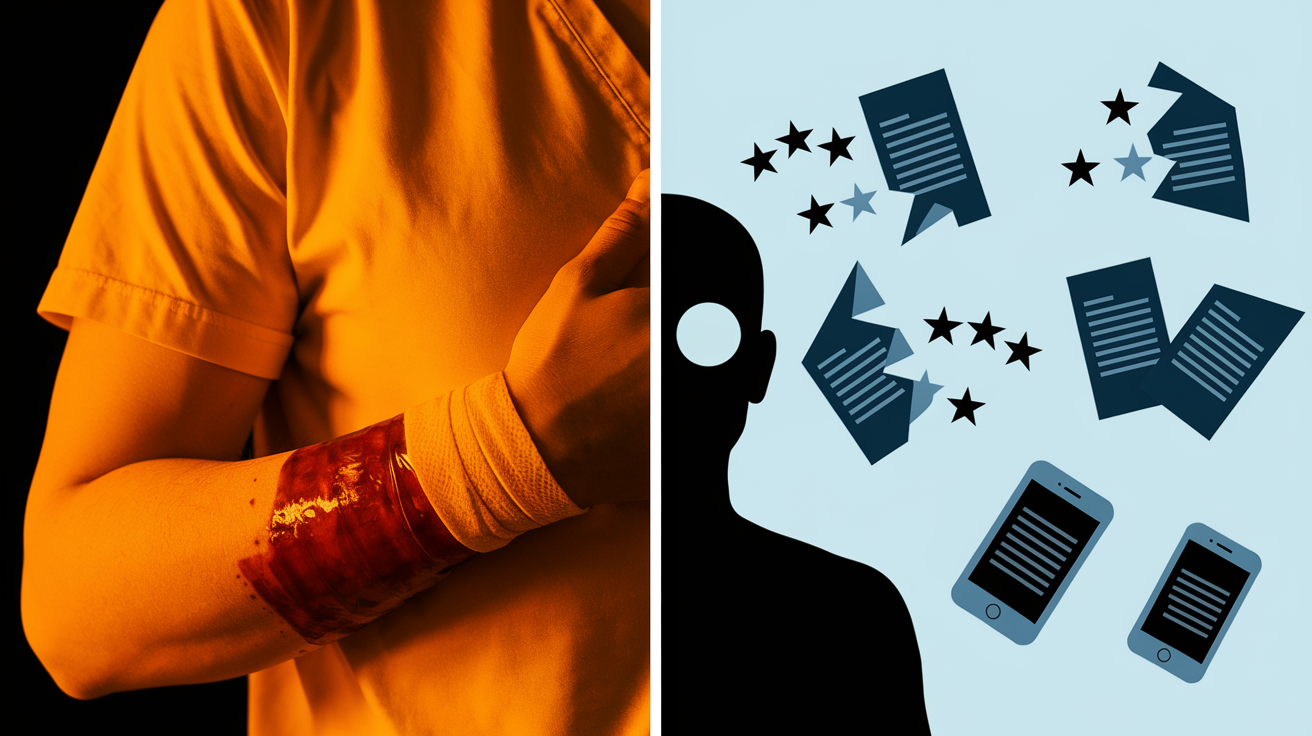
Personal and advertising injury coverage protects you from non-physical harms. Reputational damage, emotional distress tied to privacy violations, and economic losses from intellectual property misuse in advertising. Bodily injury coverage addresses physical harm: medical bills after a customer slips on your wet floor, hospital costs when your product causes injury, or wage replacement when someone is hurt on your premises. The line is clear. If the claim involves a bruise, a broken bone, or a medical diagnosis, it’s bodily injury. If it involves a damaged reputation, a stolen creative concept, or a privacy breach, it’s personal and advertising injury.
The two coverages also differ in how they’re triggered. Bodily injury protection is occurrence based. Coverage depends on when the physical accident or exposure happened. Personal and advertising injury is offense based. Coverage depends on when you committed one of the seven enumerated wrongful acts and whether that act falls within the policy period. You can face a personal injury lawsuit years after an online post or advertisement went live, but coverage will still apply if the offense occurred while your policy was active.
Key differences between the two coverages:
• Bodily injury covers physical harm and property damage. Personal and advertising injury covers reputational, emotional, and intellectual property claims tied to communication or business conduct.
• Bodily injury is triggered by accidents or continuous exposure. Personal and advertising injury is triggered by commission of a named offense.
• Bodily injury claims often involve medical records, repair estimates, and lost wage documentation. Personal and advertising injury claims center on published statements, advertising materials, eviction notices, and witness testimony about harm to reputation.
• Bodily injury defense focuses on causation and negligence standards. Personal and advertising injury defense focuses on whether the statement or act meets the legal definition of libel, slander, infringement, or wrongful conduct.
Who Needs Personal and Advertising Injury Coverage?

Any business that communicates publicly faces real exposure to personal and advertising injury claims. If you advertise on social media, run Google ads, publish blog posts, send marketing emails, post customer testimonials, or respond to online reviews, you’re creating content that could trigger a defamation, invasion of privacy, or copyright infringement claim. If you rent property (commercial or residential), you face wrongful eviction risk every time a tenant relationship goes bad. If your staff detains suspected shoplifters or your business starts legal action against customers or competitors, you face false arrest and malicious prosecution exposure.
Small businesses often think personal and advertising injury is a “big company” risk. The opposite is true. A single inflammatory tweet, one copied image, or a poorly handled eviction can generate a five figure or six figure lawsuit. Legal defense alone, before any settlement or judgment, can cost $20,000 to $100,000 depending on complexity and venue. Most small businesses don’t have that kind of cash sitting idle, and a surprise claim can trigger cash flow crises, missed payroll, or closure. Personal and advertising injury coverage is standard in CGL policies for this reason. It’s not exotic or optional. It’s foundational protection for routine business activity.
Contractual requirements also drive the need for this coverage. Many commercial leases, vendor agreements, and client contracts require tenants or service providers to carry CGL insurance with personal and advertising injury protection. Landlords want assurance that you won’t bankrupt yourself (and default on rent) if a customer sues you for defamation. Clients hiring marketing agencies want to know that if your ad infringes a copyright, their own assets won’t be at risk. Without proof of coverage, you may lose contracts, access to retail space, or partnership opportunities.
Industries and business types with high personal and advertising injury exposure:
• Restaurants, bars, and hospitality businesses (online reviews, social media engagement, public disputes with customers)
• Retailers and e-commerce brands (product advertising, testimonials, competitive claims, customer data handling)
• Marketing and PR agencies (creation and distribution of client advertising, use of third party content, brand messaging)
• Landlords and property managers (eviction proceedings, tenant disputes, entry and occupancy issues)
• Professional service firms with public facing content (blog posts, whitepapers, case studies, speaking engagements that reference competitors or clients)
Exclusions and Limitations in Personal and Advertising Injury Coverage
Coverage looks broad on the surface. Seven enumerated offenses that seem to capture most reputational and advertising risks. In practice, courts and insurers impose strict limits that narrow protection and create traps for policyholders who assume every claim will be covered. The biggest constraint is the requirement that an actual “advertisement” exist. If you copy a competitor’s product design but never advertise it, or you make defamatory statements in a private conversation rather than a public posting, the policy won’t respond. Courts have consistently held that in person sales pitches, internal emails, and face to face solicitations are not “advertisements” under the standard CGL form.
Intentional and knowing violations are typically excluded. If you publish a statement knowing it’s false, or you deliberately use someone’s copyrighted image without permission and ignore a cease and desist letter, the insurer can deny indemnity coverage under state willful misconduct statutes. The insurer may still owe you a defense until a court rules that your conduct was intentional, but you’ll be on the hook for any settlement or judgment. Some policies also exclude claims arising from violations you knew about before the policy period began. Prior publication exclusions can bar coverage if the offending ad or statement was first distributed months or years earlier.
Breach of contract is never covered. If your advertising promises a result and you fail to deliver, the disappointed customer’s claim is contractual, not a personal or advertising injury. Patent infringement is usually excluded outright. Most CGL forms cover only copyright, trademark, trade dress, and slogan infringement, and only when it occurs in an advertisement. Employment related claims (wrongful termination, discrimination, harassment) are also excluded. Those require separate employment practices liability insurance.
Standard exclusions that commonly bar personal and advertising injury coverage:
• Intentional wrongdoing or criminal acts committed by the insured or with the insured’s knowledge
• Knowing violation of another’s rights, including continued infringement after receiving notice
• Copyright, trademark, or patent infringement outside the context of advertising (product design, manufacturing, or distribution)
• Breach of contract or failure to perform contractual obligations
• Material published before the policy period started (prior publication exclusion)
• Employment related offenses such as wrongful termination, discrimination, or retaliation
Policy Limits, Defense Costs, and How Claims Are Handled
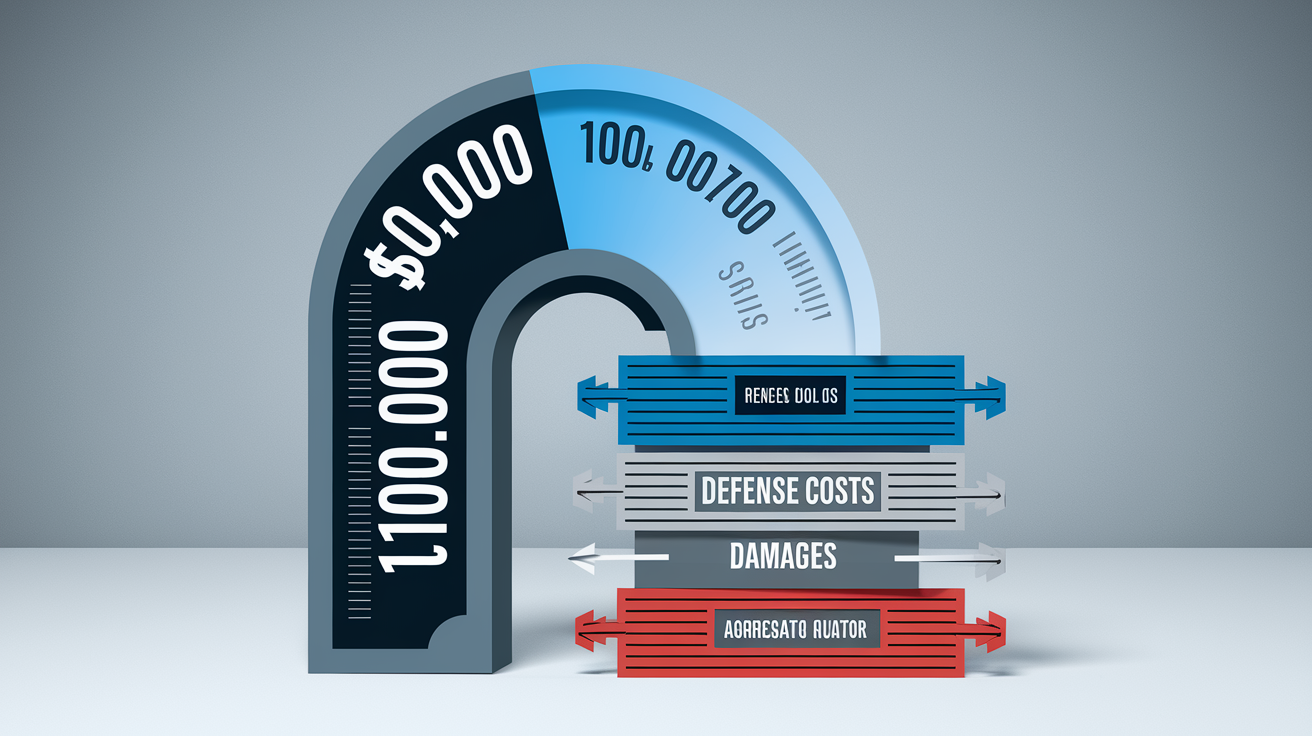
Most Commercial General Liability policies set a per occurrence limit and an aggregate limit for personal and advertising injury. A common structure is $1,000,000 per offense and $2,000,000 aggregate (total for all offenses during the policy year). The per occurrence limit is the maximum the insurer will pay (defense costs plus damages) for a single claim. The aggregate is the ceiling for all personal and advertising injury claims combined during the policy period. Once you exhaust the aggregate, you’re self insured for the rest of the year.
Defense costs in most CGL policies are paid from within the limit of liability, which means every dollar spent on lawyers, expert witnesses, court filings, and settlement negotiations reduces the amount available to pay damages. If your per occurrence limit is $1,000,000 and the insurer spends $200,000 defending you, only $800,000 remains for settlement or judgment. Some endorsements or manuscript policies move defense outside the limit (an important upgrade if you operate in high litigation industries), but standard ISO forms include defense costs inside the limit.
When you receive a lawsuit or a written demand alleging one of the covered offenses, you must notify your insurer promptly. “Prompt” usually means as soon as practicable. Days or weeks, not months. Late notice can give the insurer grounds to deny coverage if the delay hurt their ability to investigate or defend the claim. Your notice should include copies of the complaint, summons, demand letter, and any supporting documents. The insurer will assign a claims adjuster, evaluate whether the allegations trigger coverage, and either accept defense or issue a reservation of rights letter explaining potential coverage gaps.
The duty to defend is broader than the duty to indemnify. If the complaint alleges even one potentially covered offense, mixed with non-covered claims, the insurer must usually defend the entire suit until a court rules that no covered claim remains. The insurer controls the defense strategy, selects defense counsel (though some policies let you participate in the selection), and decides whether to settle or go to trial. You must cooperate: provide requested documents, sit for depositions, and avoid making statements or admissions that could harm the defense.
| Policy Term | Meaning | Example |
|---|---|---|
| Per Occurrence Limit | Maximum the insurer will pay (defense plus damages) for a single claim or offense | $1,000,000 per occurrence: if defense costs $150,000 and settlement is $400,000, total paid is $550,000 and $450,000 of the limit remains for that claim |
| Aggregate Limit | Maximum the insurer will pay for all personal and advertising injury claims during the policy year | $2,000,000 aggregate: after paying three claims totaling $2,000,000 (defense and damages), no coverage remains for new claims until the policy renews |
| Duty to Defend | Insurer’s obligation to hire lawyers and manage defense, triggered when complaint alleges a potentially covered offense | Complaint alleges both libel (covered) and breach of contract (excluded); insurer must defend the entire suit until libel claim is resolved or dismissed |
| Reservation of Rights | Letter from insurer stating they will defend under reservation, preserving the right to deny indemnity if facts prove the claim is excluded | Insurer defends copyright claim but reserves right to deny payment if investigation shows you knowingly infringed before the policy started |
Cost Factors and Premium Considerations for Personal and Advertising Injury Coverage

Personal and advertising injury coverage is almost always bundled into your Commercial General Liability policy rather than sold separately. For most small businesses, the incremental cost of Coverage B is invisible. You pay one CGL premium that includes bodily injury, property damage, personal and advertising injury, and medical payments. Total CGL premiums typically range from $300 to $2,000 per year for low risk service businesses, and can climb to $5,000 or more annually for higher exposure industries like marketing agencies, media production companies, or businesses with significant online advertising budgets.
Underwriters price personal and advertising injury exposure based on your advertising spend, the nature of your content, your industry, your revenue, and your claims history. A business that spends $500,000 per year on digital ads, publishes frequent blog posts, and operates in a competitive market will pay more than a small contractor who runs occasional Facebook posts and has no prior claims. High profile industries (advertising agencies, publishers, e-commerce platforms) face higher base rates because insurers know these businesses generate continuous content and face frequent intellectual property and defamation allegations.
Adding higher per occurrence or aggregate limits increases your premium, but the incremental cost is often modest. Moving from a $1,000,000 / $2,000,000 structure to $2,000,000 / $4,000,000 might add a few hundred to a couple thousand dollars annually depending on your risk profile. Removing sublimits (some policies cap certain offenses like copyright infringement at $250,000 or $500,000) can also raise premiums but may be worth it if your advertising budget is large and your exposure to intellectual property claims is real.
Claims history has an outsized impact on renewal pricing. One paid personal injury claim can double or triple your premium at renewal, especially if the claim involved intentional conduct, repeated violations, or awful facts. Insurers view advertising injury claims as predictive. If you’ve been sued once for using unlicensed images, underwriters assume you haven’t fixed your content review process and will be sued again. Clean claims history, documented risk controls, and evidence of pre publication review can help you negotiate better rates.
Key underwriting factors that affect personal and advertising injury premiums:
• Total annual advertising and marketing spend (digital, print, broadcast, social media)
• Nature and volume of published content (blog posts, videos, testimonials, user generated content)
• Industry and competitive environment (are you in a litigation prone sector?)
• Revenue and payroll (larger operations generate more content and more exposure)
• Claims history (prior lawsuits, settlements, or defense costs in the past three to five years)
Risk Management Practices to Prevent Personal and Advertising Injury Claims

The simplest way to avoid a personal or advertising injury claim is to use only content you own or content you’ve licensed properly. That means no “borrowed” images from Google searches, no repurposed competitor graphics, and no testimonials or customer photos without written permission. Every piece of marketing material (social posts, email campaigns, print ads, website copy) should be reviewed against a checklist: Do we own this? Do we have a license? Did we get written consent from anyone depicted or quoted? If the answer to any question is no, don’t publish until you clear the rights.
Training is the second line of defense. Employees who write blog posts, manage social media accounts, respond to reviews, or create advertising materials need to understand what defamation looks like, why privacy matters, and how intellectual property works in practice. A single untrained intern can post a defamatory reply to a bad review or upload an unlicensed image, triggering a lawsuit that costs more than that employee’s annual salary. Regular training sessions (quarterly or twice per year) reinforce the rules and reduce the chance of accidental violations.
Documentation protects you when someone claims you infringed their rights or defamed them. Keep copies of licenses, permission forms, model releases, and correspondence confirming that content is cleared for commercial use. Maintain records of your advertising review process: who approved each campaign, what checks were performed, what legal review occurred. If a plaintiff alleges you stole their ad concept, your documentation showing independent creation and approval workflows can be the difference between coverage and exclusion.
Pre publication legal review is worth the cost for high stakes campaigns. If you’re launching a new product with aggressive competitive claims, running testimonials that name competitors, or publishing content that could be interpreted as disparaging, have an attorney review the materials before they go live. The cost of a one hour legal consultation is a fraction of the cost of defending a defamation or false advertising lawsuit. For ongoing content (blogs, social posts), develop internal guidelines and use checklists so routine materials don’t require legal sign off, but escalate anything that feels risky.
Practical steps to reduce personal and advertising injury claim risk:
• Use only original content or properly licensed materials. Maintain a library of licenses and permissions.
• Require written consent (model releases, testimonial agreements) before using anyone’s name, image, or likeness in advertising.
• Train employees and contractors on defamation, privacy, intellectual property, and social media risks at least twice per year.
• Put in place a pre publication review process with clear approval authority and documented sign offs.
• Establish takedown procedures so you can quickly remove or correct content if someone objects or claims infringement.
• Retain legal counsel for review of high risk campaigns, competitive claims, or content that references competitors by name.
How to File a Personal or Advertising Injury Claim

Filing a claim starts the moment you receive a lawsuit, demand letter, or credible threat of litigation alleging one of the covered offenses. Contact your insurance agent or the insurer’s claims department immediately. Within 24 to 48 hours if possible. Provide a copy of the complaint or demand, describe the facts as you understand them, and identify which policy you believe responds. Don’t admit fault, offer settlement, or make public statements about the claim before notifying your insurer. Anything you say or pay can wreck coverage.
The insurer will assign a claims adjuster who will request additional information: copies of the offending advertisement or statement, internal communications about the campaign, documentation of permissions or licenses, and any prior correspondence with the claimant. Respond promptly and completely. Delays in providing requested materials can slow down the defense, increase costs, and in some cases give the insurer grounds to assert that you breached your cooperation duties under the policy.
Expect the insurer to conduct a coverage investigation. The adjuster will compare the allegations in the complaint to the policy’s enumerated offenses, check for exclusions, review the policy period and coverage territory, and determine whether the claim triggers the duty to defend or indemnify. If coverage is unclear (perhaps the complaint alleges both defamation (covered) and breach of contract (excluded)), the insurer may issue a reservation of rights letter, agreeing to defend you while reserving the right to deny payment if the facts ultimately show the claim is excluded.
Once coverage is accepted, the insurer will appoint defense counsel. In some policies you have input into the selection. In others the insurer chooses. Defense counsel works for the insurer, but they also have ethical duties to you as the insured. Cooperate fully: attend depositions, provide truthful testimony, help locate witnesses and documents, and follow your attorney’s advice. Don’t withhold information or refuse to participate. Failure to cooperate can void coverage.
The insurer manages settlement negotiations. If the claimant offers to settle within your policy limits, the insurer will evaluate the offer, considering the strength of the defense, the likely outcome at trial, and the total cost of continued litigation. You generally can’t force the insurer to settle, and the insurer can’t settle over your objection if the settlement requires you to admit wrongdoing or pay money beyond the policy limits. If the case goes to trial and you lose, the insurer pays the judgment up to your per occurrence limit. Any amount above that limit is your responsibility.
Steps to file and manage a personal or advertising injury claim:
- Notify your insurer within 24 to 48 hours of receiving a lawsuit, demand letter, or credible threat of litigation alleging a covered offense.
- Provide the insurer with copies of the complaint, demand, and all relevant advertising materials, emails, licenses, and permissions.
- Respond promptly to all requests for information, documents, or interviews from the claims adjuster and defense counsel.
- Review any reservation of rights letter carefully. Consult your own attorney if you don’t understand the insurer’s coverage position.
- Cooperate fully with appointed defense counsel: attend depositions, provide truthful answers, help gather evidence, and follow legal advice.
- Participate in settlement discussions if the insurer and plaintiff negotiate. Understand your rights and obligations before agreeing to any settlement that requires payment or admissions from you personally.
Final Words
If a customer sues over a tweet or an ad, personal and advertising injury coverage is the part of your CGL that can pay for defense and settlements. This article defined the coverage, listed the seven enumerated offenses, showed real claim examples, compared it to bodily injury, and walked through exclusions, limits, pricing, prevention, and filing a claim.
Now you know what to check in a policy and what questions to ask. If you still wonder what is personal and advertising injury coverage, start by confirming your policy’s Coverage B, limits, and exclusions, and you’ll be better protected.
FAQ
Q: What is an example of personal and advertising injury?
A: An example of personal and advertising injury is a business sued for a defamatory online post that harms a competitor’s reputation; CGL Coverage B can pay defense and settlement costs if it occurred during the policy period.
Q: Should I reject PIP coverage? Is it worth having PIP insurance?
A: Whether you should reject PIP coverage depends on your state and health insurance; in many no‑fault states PIP is required, and it’s worth keeping to cover immediate medical bills and lost wages if you lack strong health coverage.
Q: How much personal injury coverage do I need?
A: How much personal injury coverage you need depends on your assets and exposure; meet state minimums, but consider 100/300 limits or higher and an umbrella policy to reach $1 million if you have significant assets.