





You filed zero claims—so why did your insurance bill jump at renewal?
It feels personal, but it’s not: insurers re-price whole pools every year.
They use fresh claims data, rising repair and medical costs, reinsurance spikes, and shifting risk pools to build your new rate.
That means your premium can climb even if your record is spotless.
This post breaks down the real reasons behind renewal increases and shows the exact things to check before you renew.
Key Reasons Insurance Premiums Increase at Renewal

Your premium goes up at renewal even when you haven’t filed a single claim because insurers recalculate what you’ll cost them every single year. They’re looking at fresh data on claim costs, who’s still in your risk pool, and what it takes to keep the lights on. The stuff driving your bill higher? Claims inflation (fixing cars, treating injuries, rebuilding homes costs more every year). Loss ratios that went sideways when payouts grew faster than premiums. Changes in who’s sharing your risk bucket, some folks left, others joined, and maybe the new crowd is riskier. Your credit-based insurance score might’ve shifted. Regulators approved or required rate changes. And your ZIP code’s wildfire, flood, or theft risk got recalibrated.
None of this has anything to do with whether you personally filed a claim. It’s structural. It hits entire blocks of policies at once.
Here’s how your renewal rate actually gets built. Insurers throw you into a pool with thousands of people who look like you on paper: same ZIP, similar car or house, roughly the same age. They add up what that pool cost them in claims last year, forecast what next year will cost using inflation data and trend models, toss in operating expenses and profit, then split the total across everyone. If claims inflation ran 7 percent but they only raised rates 3 percent last year, your renewal catches up the gap. They’re aiming for a loss ratio between 60 and 75 percent on most property and casualty lines.
The big renewal drivers break down like this:
Claims cost inflation. Repairs, medical care, construction materials all cost more. Average payout goes up even if the number of claims stays flat.
Loss ratio rebalancing. When insurers pay out more than they collect, they raise rates to get back to profitable underwriting.
Risk pool composition shifts. Safer customers bail for cheaper options. Higher risk folks stick around. Average cost per person climbs, so does everyone’s premium.
Credit and rating factor changes. Your credit-based score, driving record, or home characteristics changed between renewals. That triggers individual adjustments.
Reinsurance cost increases. Insurers buy coverage for catastrophic losses. When reinsurance premiums spike after a brutal hurricane or wildfire season, they pass it down to you.
Regulatory and tax changes. State-mandated coverage expansions, new assessments, updated rate approvals. All of it adds points to your bill.
These forces rarely move alone. One bad weather year can increase claim severity, jack up reinsurance costs, and push regulators to approve bigger rate filings all at once. Inflation hits both sides, claim costs and insurer expenses, compounding the pressure. And because every carrier uses different risk pools, rating algorithms, and reinsurance deals, two people with identical coverage in the same ZIP can see totally different renewal bumps depending on which company they picked and how that company’s book performed.
Your personal increase also depends on how your individual profile evolved. Credit score dropped twenty points? You added a teenage driver? Moved to a sketchier neighborhood? Your home’s now closer to a wildfire zone? Your rate climbs faster than the pool average, zero claims or not. Flip side, if you bundled policies, installed monitored security, or your car aged into a lower theft bracket, you might see a smaller increase. Maybe even a tiny decrease despite industry inflation.
Auto Insurance Renewal Increases Explained

Auto renewals reflect the weird cost pressures of fixing cars now. Parts shortages, labor costs going vertical, repair complexity from all the sensors and cameras packed into modern vehicles. A fender bender that cost $2,500 to fix in 2020 runs $4,000 today because replacement sensors, cameras, and calibration labor doubled or tripled. Insurers track these trends across their claim files and apply them to your renewal even if your car never left the driveway. When the industry’s average collision claim jumps 12 percent in twelve months, your collision premium climbs by a similar percentage or more to keep the loss ratio in check.
Crash severity’s also up. Heavier vehicles, higher speeds on emptier roads during the pandemic, distracted driving. All of it increased the chance that a crash totals the car or seriously injures someone. Bodily injury liability claims settle for bigger amounts as medical costs and jury awards trend up. Comprehensive claims spiked in metro areas where catalytic converter theft and organized car theft rings drove frequency up by double digits between 2021 and 2023. Each claim type feeds into your renewal math, stacking inflation on top of frequency increases.
Technology’s a double-edged thing. Modern collision avoidance stops some crashes. But when an accident does happen, the repair bill includes recalibrating radar, replacing $1,500 windshields with embedded sensors, programming modules that eat hundreds in diagnostic time. Supply chain delays for microchips and foreign parts mean longer rental periods. Total claim cost goes up. Insurers pass it through to your renewal, and because they price forward-looking risk, they assume next year’s costs will be even higher unless trends reverse.
Home Insurance Renewal Increases Explained
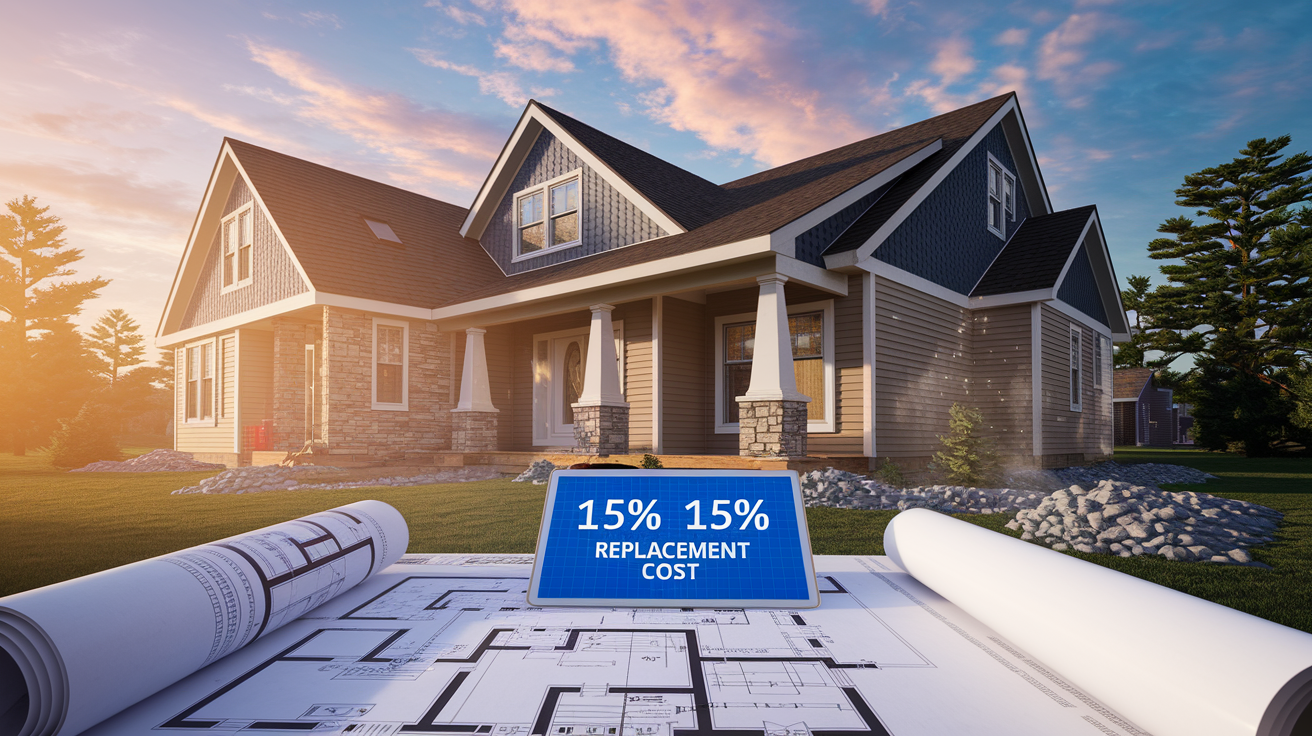
Home renewals get hammered by rebuilding cost inflation. It’s outpaced general inflation in most markets as lumber, roofing, concrete, and skilled labor wages surged. A home insured for $300,000 in dwelling coverage three years ago might need $375,000 today to rebuild to the same standard. Insurers recalculate replacement cost at renewal using construction indexes. When your dwelling limit rises 15 percent, your premium rises roughly in step unless you request a lower limit. Though underinsuring creates a dangerous gap if you suffer a total loss.
Catastrophe frequency and severity reshaped pricing in wildfire, hurricane, hail, and flood zones. A bad wildfire season in California or a cluster of derecho storms in the Midwest can prompt an insurer to raise rates 20, 30, 50 percent for everyone in affected ZIPs, even homes with zero damage. Reinsurance costs spike after catastrophic years. Carriers either pay the higher reinsurance or reduce their own risk by non-renewing customers, raising deductibles, tightening coverage. Either way, your renewal reflects the insurer’s updated view of your property’s exposure to the next disaster.
Regional underwriting changes drive increases too. Insurers use granular models now, scoring individual properties for roof age, construction type, distance to fire hydrants, wildfire proximity, flood zone status. If your roof crosses a ten or fifteen year threshold at renewal, you might see a surcharge or a requirement to replace it to avoid non-renewal. Homes with wood shake, older electrical panels, or polybutylene plumbing face higher premiums or coverage exclusions as insurers tighten standards to cut loss frequency in their books.
Health Insurance Renewal Increases Explained

Health renewals stem from medical cost inflation, which runs several points above general inflation because of rising hospital charges, specialist fees, outpatient costs, and expensive new treatments entering standard protocols. Insurers forecast next year’s claim costs by analyzing this year’s utilization, adjusting for demographic shifts in the pool, layering on trend assumptions for prescription drugs and high cost biologics. A plan that paid an average of $6,000 per member this year will budget $6,400 or more for next year. The renewal premium must cover that projected increase plus admin and profit.
Prescription drug inflation adds serious pressure, especially specialty meds and insulin analogs where list prices climb 5 to 10 percent annually and rebate negotiations shift costs onto patients and insurers in messy ways. If your plan’s membership skews older or includes more people with chronic conditions, utilization climbs and drives higher renewals even if you personally filed few claims. Group plans feel this hard. A single high cost claim (premature birth, cancer treatment, transplant) can move the needle on a small employer’s renewal by ten or twenty points because the pool’s too small to absorb the loss smoothly.
Regulatory adjustments factor in too. The Affordable Care Act’s age rating bands, community rating rules in some states, annual cost sharing limit increases set by federal regulators. Insurers also account for changes in risk adjustment transfers, reinsurance recoveries, medical loss ratio rebate obligations when setting next year’s rates. It creates a feedback loop where individual and small group renewals reflect both your plan’s specific claims and the broader market’s financial performance.
What Consumers Can Do to Manage or Reduce Renewal Increases
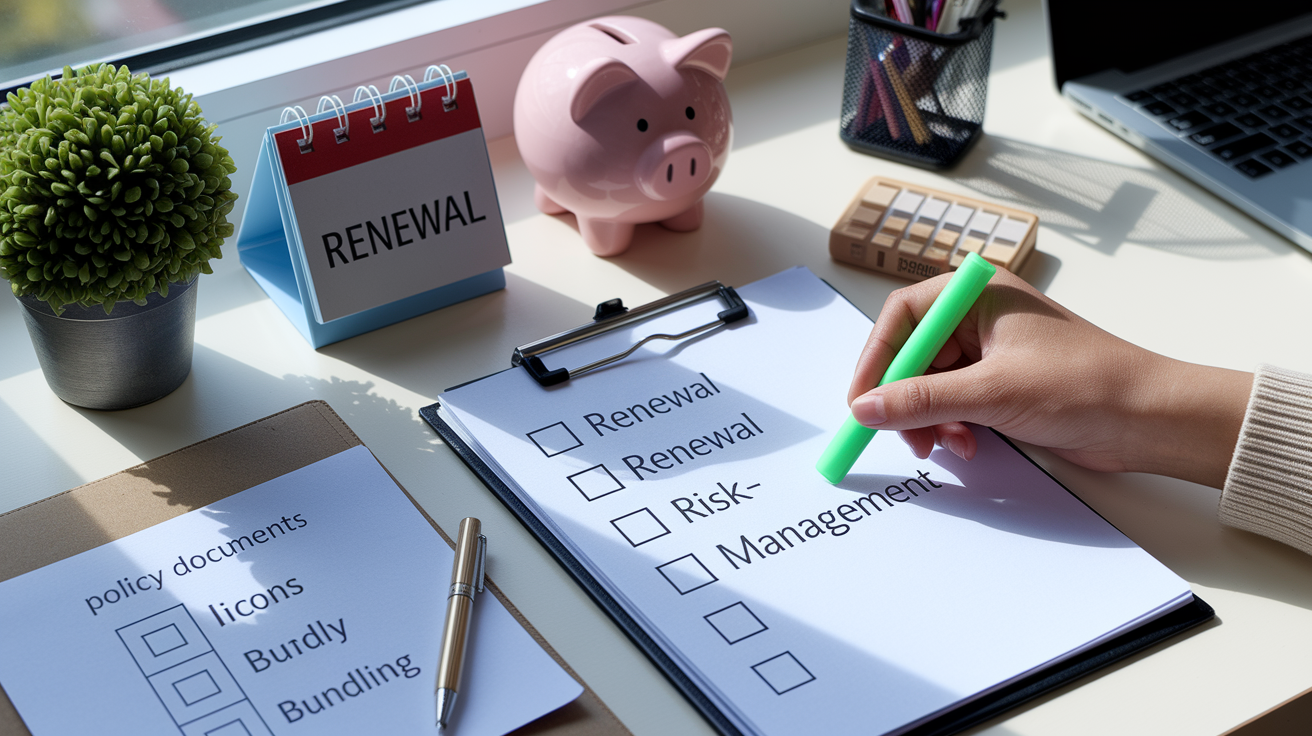
You can reduce or slow renewal increases by improving your risk profile, shopping for better rates, and grabbing available discounts before your renewal date. Renewal notices land thirty to sixty days before the effective date. Narrow window, but workable if you move fast to compare options, negotiate with your current insurer, and adjust coverage in ways that lower your premium without leaving you exposed.
Eight steps to manage renewal costs:
Compare quotes from three to five insurers thirty to sixty days before renewal. Use your current declarations page as the baseline so you’re requesting identical coverage limits, deductibles, and endorsements from every competitor.
Bundle multiple policies with one carrier if you insure auto, home, renters, or umbrella separately. Bundling typically saves 10 to 25 percent and gives you leverage to negotiate further.
Raise your deductible from $500 to $1,000 or $1,000 to $2,500 if you’ve got emergency savings to cover the higher out of pocket. This commonly cuts premium 10 to 30 percent depending on insurer and state.
Remove optional coverages you don’t need anymore. Rental car reimbursement if you have a second vehicle at home. Scheduled personal property endorsements for items you sold or donated.
Update rated information with your insurer. Report reduced annual mileage if you work from home now. Confirm all eligible drivers completed defensive driving courses. Verify your teenager moved out or your home security’s actively monitored.
Improve your credit-based insurance score over time. Pay bills on time, reduce credit card balances, correct errors on your credit report. A score improvement from poor to good can reduce premiums 15 to 40 percent in states allowing credit-based pricing.
Install or upgrade safety and mitigation features. Add a monitored burglar alarm, replace an old roof, install impact resistant shingles, retrofit hurricane straps, add a smart water shutoff valve. Ask your insurer which upgrades qualify for discounts.
Ask your insurer to review all applied discounts and rating factors at renewal. Confirm you’re getting safe driver, claims free, multi policy, good student, and any occupation or affinity group discounts you qualify for. Request a loyalty credit if you’ve been a long term customer with no lapses.
Taking three or four of these actions can offset or reverse a renewal increase, especially if you discover your current insurer priced you out of competitive range and a competitor offers the same coverage for 15 percent less. Switching to capture that savings is often worth the hassle if you lock in the new policy at least a week before renewal to avoid any gap.
When a Renewal Increase Is Incorrect or Can Be Challenged
Sometimes a renewal increase comes from a rating error, misapplied surcharge, or outdated info in your file. In those cases you can request a review and correction before the renewal binds. Common mistakes? Charging you for a driver who doesn’t live there anymore. Applying an at fault surcharge for a not-at-fault claim. Using wrong vehicle classification or mileage. Continuing to rate you for a claims free discount you’ve now earned. Failing to remove a surcharge after the three or five year lookback expired. Each inflates your premium beyond what the insurer’s filed rates actually justify.
Challenge a renewal increase by contacting your agent or the underwriting department and requesting a detailed breakdown of every rating factor, surcharge, and discount on your policy. Ask for a side by side of last year’s rating worksheet and this year’s renewal worksheet so you can pinpoint exactly what changed and by how much. If you spot an error (a driver listed who moved out six months ago, a claim closed as not-at-fault but still on your record), provide documentation. Lease agreements, motor vehicle records, claim closure letters. Request immediate correction. Most insurers reissue the renewal quote within a few business days once the error’s confirmed.
Rating errors and grounds for challenge:
Incorrect driver, vehicle, or property info. An extra driver rated on the policy. Wrong vehicle make, model, year. Outdated home square footage or construction type.
Misapplied claim or violation surcharge. Charging you for a claim that was subrogated and recovered. A ticket dismissed in court. An accident outside the surcharge window.
Credit score or insurance score error. Using an outdated or wrong credit report. You can request a re-pull if your score improved.
Failure to apply earned discounts. Missing a safe driver, claims free, or bundling discount you qualify for under published guidelines.
If the insurer confirms the increase is based on a properly filed rate change affecting your entire risk class and all factors are correct, you generally can’t force them to remove the increase. But you can file a complaint with your state insurance department and request a review of whether the rate filing was excessive or unfairly discriminatory. State regulators investigate and issue a written determination. Successful challenges to approved filings are uncommon unless the insurer applied rates incorrectly or violated filing procedures.
Final Words
In the action, we named the core drivers: claims inflation, repair and rebuild cost rises, insurer loss ratios, risk‑pool shifts, credit factors, and regulatory changes.
We then tied those to auto, home, and health: costly repairs and parts shortages for cars; rebuilding and storm losses for homes; medical inflation and higher use for health plans.
You got clear steps: compare quotes, raise deductibles, bundle, remove unused add‑ons, update rated info, add safety features, and challenge rating errors.
If you still ask “why do insurance premiums increase at renewal?” remember many drivers are in your control. Shop, check your rating, and fix errors — you’ll face renewals with fewer surprises.
FAQ
Q: Why does insurance go up when you renew?
A: Insurance goes up at renewal because claims inflation, rising repair and rebuild costs, insurer loss ratios, risk-pool shifts, credit-based pricing factors, and regulatory rate changes increase insurers’ expected payouts.
Q: How much should homeowners insurance be on a $400,000 house?
A: Homeowners insurance for a $400,000 house should cover rebuilding cost; expect annual premiums roughly 0.25%–1% of value ($1,000–$4,000), depending on location, construction, and property risk.
Q: Why am I paying $400 a month for car insurance?
A: You’re paying about $400 a month for car insurance because of your driving record, vehicle type, location, mileage, age, coverage limits, deductible choices, and broader rate inflation or insurer pricing.
Q: How to fight insurance premium increase?
A: To fight an insurance premium increase, request a written rating explanation, check for data errors, compare quotes, ask for discounts, raise deductibles, remove extras, and file a regulator complaint if unresolved.