



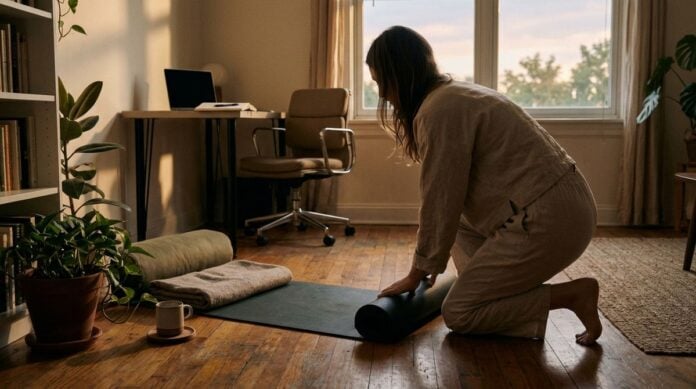
Many people finish the day with a phone in one hand and a laptop open nearby, then wonder why sleep feels light and unsettled. An hour without screens before bed is a simple habit that often helps people feel calmer when the lights go down. This article is general information only. It does not promise any specific result, and it is not a substitute for advice from a doctor or another qualified health professional. The aim is to describe a practical routine that many households find easy to follow and adapt.
Why Bright Light Late in the Evening Matters
Screens emit bright, blue-rich light, and many people use them right up until they try to sleep. Bright light in the evening can make the mind feel more alert, which is the opposite of what a tired body needs. Researchers continue to study how light and sleep interact, and individual responses differ widely. Still, lowering the brightness of the room and the device is a sensible step that costs nothing and is easy to test over a week or two.
Content also matters. Fast-moving videos, news feeds and work messages can keep the mind busy long after the device is switched off. Choosing calmer activities during the final hour gives the brain a clearer signal that the day is ending. Many people find that reading a printed book, listening to quiet music or writing a short list for tomorrow makes the transition far smoother.
Setting Up a Simple Evening Sequence
A routine works best when it is predictable. Decide on a fixed time to put devices in another room, perhaps charging them away from the bed. Then choose two or three steps that follow in the same order each night, such as washing your face, changing into soft clothes and dimming the lamps. Repetition helps the body recognise that rest is coming, which can make the hour feel natural rather than forced.
If the hour feels too long at first, begin with half an hour and build gradually. Consistency matters more than perfection. Missing one evening does not undo the progress you have made, and it is perfectly reasonable to return to the routine the following day without guilt.
Choosing Calm Activities for the Final Hour
Activities that are gentle and absorbing tend to work best. A printed book, a crossword, sketching or a simple jigsaw can occupy the hands and the mind without stimulating them too much. Some people enjoy stretching slowly on a mat, while others find that a warm shower or bath helps the body feel relaxed. Choose something you genuinely enjoy, because an activity you dread will quickly be abandoned.
- Dim the overhead lights and use a warm bedside lamp instead.
- Keep phones charging in the kitchen or hallway, out of arm’s reach.
- Write tomorrow’s top three tasks on paper so the mind can let them go.
- Play soft, unhurried music or a quiet audio story.
Dealing With Tricky Evenings
Some evenings are harder than others. Work deadlines, family demands or worries about money can make it difficult to switch off. In those moments, a short breathing exercise can help. Breathe in slowly through the nose, hold for a moment, then breathe out for a longer count through the mouth. Repeat for a few minutes. This simple pattern tends to slow the heart rate and encourages a sense of calm, although it will not solve every problem.
If you find that worry or low mood regularly keeps you awake, speak with a doctor or another qualified professional. Persistent sleep difficulties deserve proper attention, and a professional can help you find the cause and discuss suitable options. A screen-free hour is a helpful habit, but it should not be used to ignore ongoing concerns.
Many people also find it useful to write down worries before bed, since a written list can make them feel less pressing by morning. Writing is a simple tool, and it is worth sharing any persistent difficulty with a trusted person or a professional who can help you find the right support.
Keep expectations realistic. The purpose is to make evenings feel more relaxed, not to create a strict rule that causes frustration. Talk about how the routine feels after a week, and adjust the activities or timing if needed. Readers may also want to visit worldatlasbook.com. You can also visit tourisme-turc.com for more reading.
Making the Routine Work for the Whole Household
Families can share the benefits of a screen-free hour. Younger children often sleep better when devices are removed from the bedroom, and adults may also notice the change. Agree on a shared time, so that the rule feels fair. If one person must stay connected for work or caring duties, explain why and find another quiet space where they can rest their eyes.


