



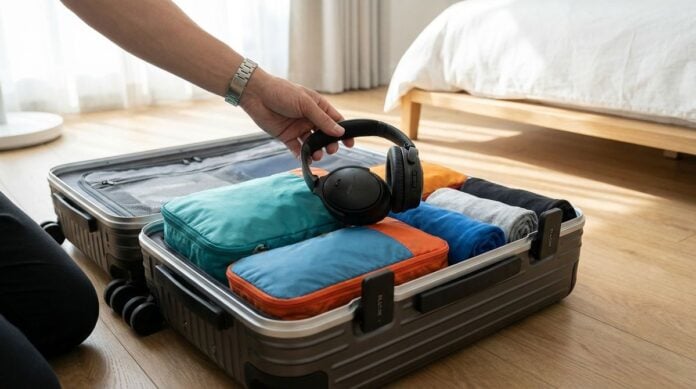
Packing for two people sounds simple until the day of departure arrives. One person arrives with a suitcase that is perfectly organised, while the other has a bag stuffed with last-minute items and a chargers bundle that refuses to fit. Shared travel means sharing the weight, the space and the stress of getting everything to the right place. A clear plan for who packs what can save money on extra bags, reduce arguments at the airport and make the first day of the trip feel far calmer.
Deciding who carries what
Start by agreeing on the number of bags and their size. Some couples travel with one large case and one small carry-on, while others prefer two medium cases. Check the baggage allowance for each flight, since the limits can differ between airlines and between fare types. Once the number of bags is clear, decide who carries each one, and who is responsible for the heavier items. Fairness does not always mean equal weight. It means that the division feels reasonable to both people.
Consider physical strength and health too. If one person has a sore back or limited strength, the other may carry the heavier bag, and the person with more energy may take on more of the lifting in busy stations. Talk about this before the trip, so that nobody has to ask for help in a crowded hall.
Splitting the shared items
Shared items are the things both people will use, such as toiletries, a first aid kit, sun cream, a travel adapter and the main medicines. Decide who will pack each item, and avoid packing duplicates. Two sets of the same adapter or two full bottles of the same lotion waste space and weight. A simple list helps. Keep it in a shared note and tick items off as they go into the bags.
- Choose one person to keep the master packing list for the trip.
- Divide shared toiletries so that each item is packed only once.
- Pack a small kit of medicines together and check expiry dates.
- Keep travel documents in one folder that both people can find.
- Carry a small emergency bag with chargers and snacks for the journey.
Medicines deserve special care. Keep them in their original packaging and carry a copy of any prescription. A qualified pharmacist or doctor can advise on what is sensible to carry and how to store it safely, particularly for longer trips or destinations with different climates.
Packing personal items wisely
Personal items are where most arguments begin. One person may need three pairs of shoes, while the other insists on one. Respect these differences, but set a gentle limit. Agree on how much space each person can use for personal items, and encourage both people to think about what they will actually wear. Many travellers take more clothes than they need, and a short plan for outfits can reduce the load significantly.
Packing cubes or small pouches can help each person keep their items separate. Label them with a name or a colour, so that it is easy to find a missing jumper or a phone charger in a busy hotel room. Separate pouches also make it simpler to unpack and repack without disturbing the other person’s belongings. Readers may also want to visit Simpcity.
Handling the airport and the journey
The journey is where poor planning becomes obvious. Keep the most important items, such as passports, tickets and medicines, in a small bag that stays with you. Avoid placing valuable items in checked luggage, and check the rules for liquids and electronic devices before you reach security. If one person is in charge of the documents, agree that they will hand over the folder at the gate, not in the middle of a queue.
Be realistic about weight limits. Weigh the bags at home using a simple scale, and move items between them if one is too heavy. You can also visit patbigoldmedia.org for more reading. For a related read on this site, see Packing a Carry-On for a Teen’s First Solo.
Unpacking and sharing the space
When you arrive, take a few minutes to unpack together. Choose a side of the wardrobe and a shelf in the bathroom for each person, and keep the floor clear so that nobody trips over a suitcase at night. Use the hotel safe for valuables if one is provided. Small acts of organisation make the room feel like a shared home for the duration of the trip.
Packing fairly is less about dividing items perfectly and more about planning together. A clear list, a sensible split of heavy items and a calm approach to personal belongings can turn one of the most stressful parts of travel into a shared task that sets the tone for the whole holiday.


