



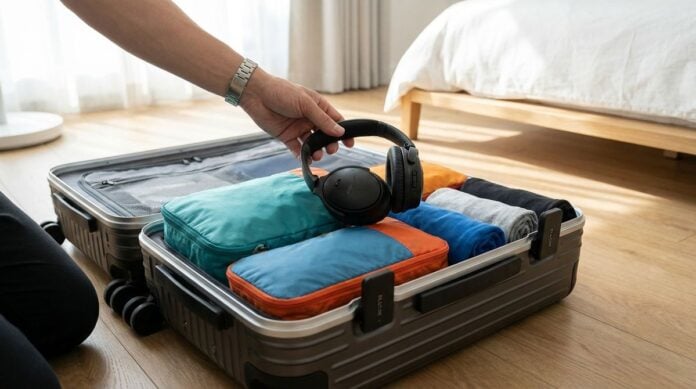
Packing for a solo train journey is different from packing for a family holiday. There is no adult to carry the spare charger or find the missing ticket, and a heavy bag can quickly become tiring after several hours of walking through stations. A well-packed carry-on bag helps a teenager feel organized, comfortable, and ready for the unexpected. The goal is not to bring everything, but to bring the right things in a small space that is easy to reach during the journey.
Keep the essentials within easy reach
Think about the items the teen will need during the trip rather than the items they might need at the destination. Tickets, identification, a phone, a charger, and a bottle of water should all be in a front pocket or a small bag that stays with the teen at all times. Placing these items in the same spot every time reduces the stress of searching for them while the train is pulling into a crowded station. Parents can help by asking their teen to show where each essential item is kept before the day of travel. Doing this together at home is a quick way to spot anything that is missing, and it gives the teen a chance to explain their own system.
Some teens prefer a small crossbody bag for valuables and a larger backpack for clothes. This arrangement can make it easier to stay aware of belongings when moving between platforms, boarding, and finding a seat. The main idea is that the most important items never disappear into the bottom of a large bag. A teen who keeps a consistent system will find things faster and will feel less anxious at busy stations, where time is short and people are moving quickly.
A practical packing list
A short list keeps packing simple and avoids the common mistake of carrying too much. Include only what can be worn, carried, or used without difficulty, and remember that most trips include some time on foot. A bag that feels heavy in the shop will feel much heavier after an hour on a crowded platform, so test the weight before leaving home. The list below covers the basics for a journey lasting a day or two:
- Phone, charger, and a small power bank stored in a bag
- Printed or saved copy of tickets and reservation details
- Identification and any required travel documents
- Refillable water bottle, simple snacks, and a small first aid kit
- One change of clothes, a light jacket, and comfortable shoes
Medication, if needed, should be packed in its original container and kept with the carry-on rather than in checked luggage. Parents may want to add a small note listing the medication name, dose, and timing, so that the teen can answer questions clearly if asked. Readers may also want to visit bareto.net.
Pack for comfort and privacy
Long journeys can be tiring, even when the seats are comfortable. Earphones, a book, a notebook, and a simple game can help the time pass without relying on constant screen use. Some teens find that a light blanket or a neck pillow makes a big difference when the train is quiet and the lights are dim. Including a small bag for rubbish is also a courteous habit that keeps the seating area tidy for everyone.
Privacy can matter just as much as comfort. A teen travelling alone may feel more relaxed with a lockable pouch or a bag that closes securely. Teach them to keep valuables out of sight when they are not needed, and to avoid leaving bags unattended, even briefly.
You can also visit Erome for more reading. Looking at photographs of arranged bags together can be a fun way to plan, and it often helps teens decide what they can leave at home.
Check the bag before leaving home
The night before the journey, lay out everything on a table and compare it with the packing list. Ask your teen to check that the phone is fully charged, the tickets are saved in two places, and the bag closes properly. A quick run-through like this often catches a forgotten charger or a missing document before it becomes a problem. For a related read on this site, see Planning a Slow Two-Week Train Trip Through Northern.
Finally, make sure the teen knows how to access the tickets offline, because mobile connections can be weak in tunnels and remote areas. A short conversation about what to do if a ticket cannot be shown can prevent panic. With a clear, light, and well-organized carry-on, a first solo train journey can feel calm, manageable, and genuinely exciting.


