





Think your homeowners policy covers your side business? Think again.
Most standard policies explicitly exclude business property, business liability, and lost income tied to running a business from home.
That means your work laptop, inventory, client injuries, and income after a fire may not be covered when you need it most.
This post explains the common exclusions, shows real-world denial scenarios, and gives the three things to check with your insurer before you assume you’re protected.
Read on so a cheap policy doesn’t leave your business bankrupt.
Key Business Exclusions Found in Standard Homeowners Insurance Policies

Standard homeowners insurance covers your stuff and your liability as a resident. Not as a business owner. Pretty much every homeowners policy you’ll find includes exclusions that wipe out coverage for business property, business liability, and any income you lose when operations stop. These exclusions exist because personal home policies are priced for living in a house, not running a company out of it.
Business property gets capped or cut entirely. Computers you use for work, inventory, tools, equipment? Either fully excluded or limited to something laughably low, often around $2,500 if it’s kept at home. Liability coverage vanishes the second a claim connects to your business activity, even if someone gets hurt in your kitchen. Business interruption or lost income after a fire or storm? Not covered under personal policies.
Here’s what actually gets denied:
- A client slips on your wet driveway during a meeting at your home office and sues for medical bills.
- A delivery driver bringing your business supplies trips on your front steps and files a claim.
- Inventory you’ve been storing in your basement burns up in a fire, but your homeowners cap leaves you thousands short.
- Your work laptop and the specialized software on it get stolen in a burglary.
- A product you sold online injures a customer, and now you’re facing a product liability lawsuit.
Each scenario above hits one or more business exclusions baked into standard homeowners policies. And when that happens, you’re on your own financially.
How Insurers Define “Business” for Homeowners Policy Exclusions

Insurers treat almost any paid or profit-seeking work as a business when they’re deciding what to exclude. Freelance writing, consulting, remote work you get paid for, selling stuff online through Etsy or eBay, running in-home childcare, contract services. All of it counts. They don’t need you to work full time, hang a sign, or file for a business license. Part-time or occasional income still triggers the exclusion.
What matters is intent and activity, not size. If you advertise, send invoices, track revenue, or operate with the goal of making money, insurers see it as commercial. Sole proprietorship, LLC, any formal structure makes it obvious, but even informal setups like selling crafts at fairs or offering paid consulting sessions can flip the switch.
Hobby vs. Business Indicators
Insurers look at a few things to tell a hobby from a business. How often you transact matters. Someone selling handmade jewelry once or twice a year at a charity event looks different than someone running a daily online shop with constant shipments. Profit intent is huge. If the activity brings in steady income or you’re organizing it to earn money, it’s a business. Advertising is a clear signal. Posting services on social media, running ads, building a business website all say “commercial.”
Transaction volume and formal bookkeeping also count. Dozens of invoices, separate business bank accounts, filing Schedule C on your taxes? You’re running a business. Once any of these show up, the homeowners exclusions kick in, whether you’re profitable or tiny.
Business Property Limitations Inside Homeowners Insurance

Homeowners policies give you almost nothing for business property kept at home. The standard cap sits around $2,500 for all business items combined, and some policies go lower or exclude it entirely unless you buy an add-on. That $2,500 has to cover everything. Computers, monitors, printers, tools, inventory, business furniture, supplies stored at home. All of it.
Off-premises business property? Even worse. Take a laptop to a coffee shop, haul inventory to a trade show, store materials in a rented workspace, and you’re looking at a few hundred dollars of coverage or zero. Business stuff in detached sheds or garages usually falls under separate, equally low limits. Even when coverage technically exists, the limits fall way short of what most home businesses actually own.
Some insurers offer optional endorsements that bump the limit to $5,000 or $10,000, but those are getting rare. They almost never cover high-value inventory, specialized tools, or equipment contractors and professionals depend on. The gap between what the policy pays and what you’d actually need to replace your business assets can run into thousands.
| Property Type | Typical Coverage Under HO Policy |
|---|---|
| Business equipment (computers, tools, devices) | $2,500 on-premises cap; often $500 or less off-premises |
| Inventory and supplies stored at home | Excluded or included in $2,500 aggregate limit |
| Off-site business property (job sites, trade shows) | Usually excluded or limited to a few hundred dollars |
Liability Gaps When Conducting Business at Home
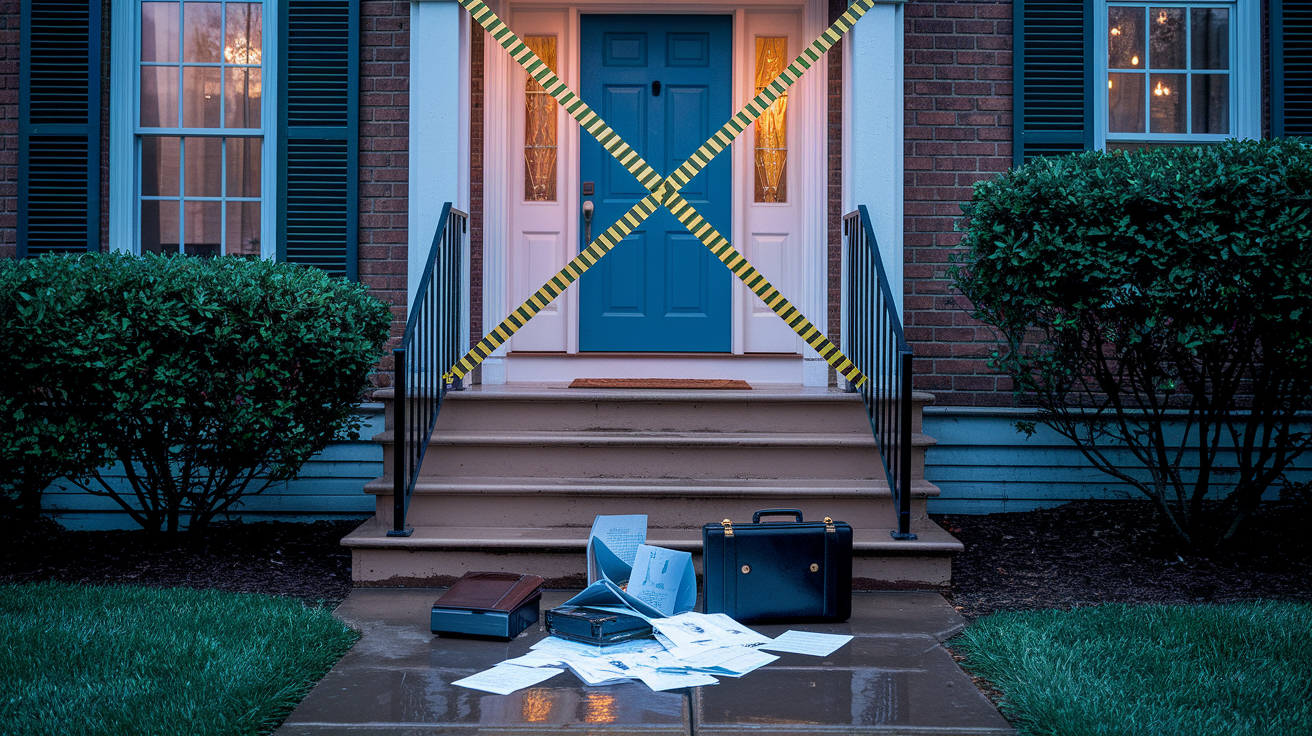
Homeowners liability is built for personal risks, not commercial ones. The second a claim comes from business activity, the liability section of your homeowners policy typically denies it outright. Bodily injury or property damage tied to business operations gets excluded, even when it happens on your insured property.
A client trips on your front step during a meeting, a delivery driver gets hurt unloading your business supplies, a repair tech servicing your work equipment slips and falls? All denied. Injuries or damage that happen away from home also don’t count. A customer hurt by a product you sold online or a third party injured at a trade show where you were selling? Excluded under the business-pursuits exclusion. Personal injury claims connected to your business, like alleged defamation or invasion of privacy in your marketing, aren’t covered by the personal liability portion of homeowners insurance.
Claims adjusters dig into this during investigations. If they find out the injured person was a customer, client, or business contact, or that the activity when the loss happened involved your business, they deny the claim. You’re left holding medical bills, legal fees, settlements, judgments.
Common denials:
- A customer trips and gets hurt picking up a product from your home.
- A contractor or vendor visiting your home office slips on ice and wants compensation.
- A product you sell online breaks and causes injury or damage to the buyer.
- You get sued for defamation based on something in your business marketing.
Why Business Exclusions Exist in Homeowners Insurance
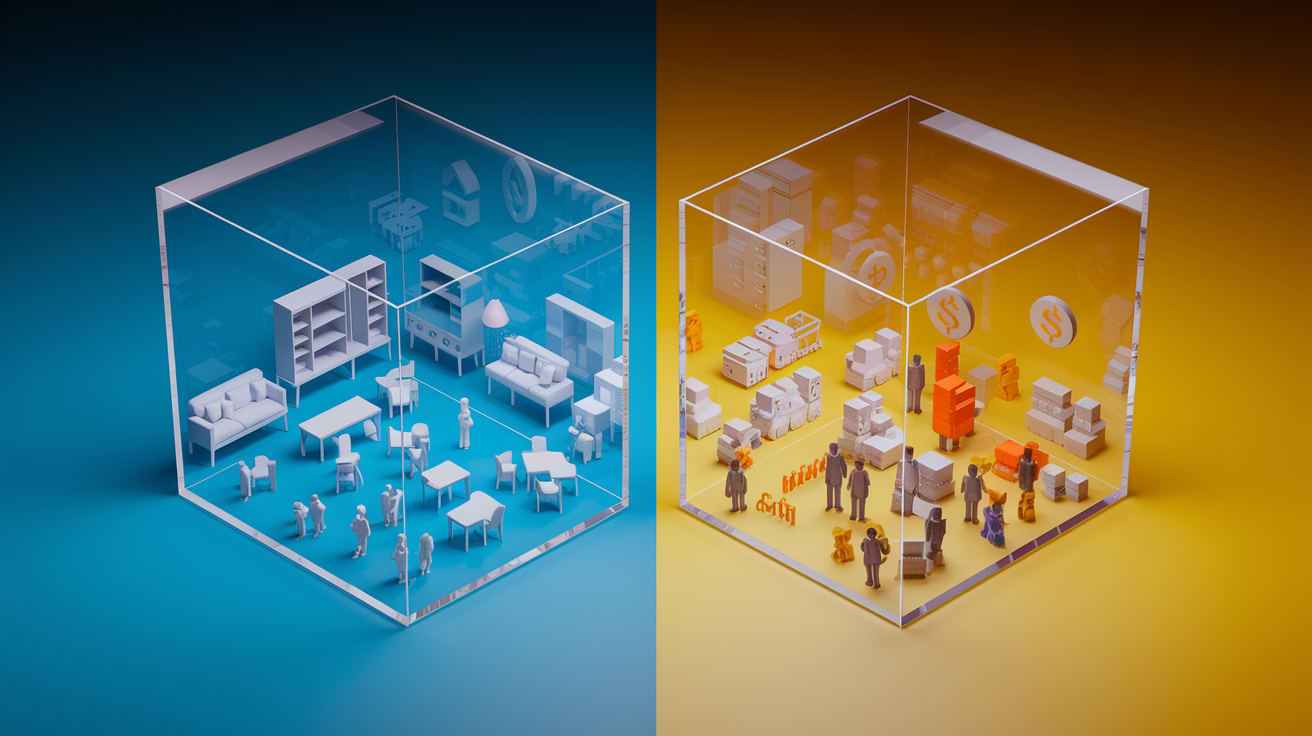
Homeowners insurance gets priced and underwritten for household stuff, not the elevated risks that come with running a business. Personal lines insurers group together policyholders with similar profiles: families, renters, homeowners doing everyday residential things. Business operations introduce different risks and often more frequent ones. Regular visitors who aren’t family or friends, commercial inventory that increases fire risk, specialized gear, off-site exposures, professional liabilities.
Commercial activities can also generate bigger losses. Product defects, professional mistakes, employee injuries, customer lawsuits. These can hit tens or hundreds of thousands of dollars. Homeowners policies don’t charge enough premium to handle that, and underwriters can’t price the risk accurately without business-specific details like revenue, customer volume, inventory value, liability limits your contracts require.
Why underwriters exclude business:
- Personal policies are priced for living at home, not running a business there.
- Business operations mean more third-party traffic (customers, vendors, deliveries) than a typical household sees.
- The value of assets and income tied to a business exceeds what homeowners policies assume when they set limits and premiums.
Real-World Examples of Denied Business-Related Claims

Even small home businesses run into denials when homeowners policies apply business exclusions. Knowing what triggers these denials helps you see when you’re operating without coverage.
-
A graphic designer working from home has a client over to review proofs. The client slips on a wet tile in the entryway and breaks a wrist. The homeowners insurer denies the claim because the visit was business related.
-
A freelance carpenter stores tools and materials in his garage. A fire destroys $8,000 worth of power tools, lumber, and hardware. The homeowners policy pays the $2,500 business property cap, leaving him $5,500 short.
-
An online seller ships a defective product that causes a burn injury. The buyer sues for medical costs and damages. Homeowners liability excludes it because the claim comes from a product sold for profit.
-
A home-based caterer has a kitchen fire that shuts down operations for two months. Lost income during repairs isn’t covered, because homeowners policies don’t include business interruption.
-
A consultant brings a laptop to a client meeting at a coffee shop. The laptop gets stolen from the table. No off-premises business property coverage, so the loss gets denied.
-
A delivery driver bringing supplies to a home office trips on an uneven driveway and gets injured. The homeowners insurer denies the liability claim, saying the injury came from a business-related visit.
When a Home Business Must Add Extra Coverage
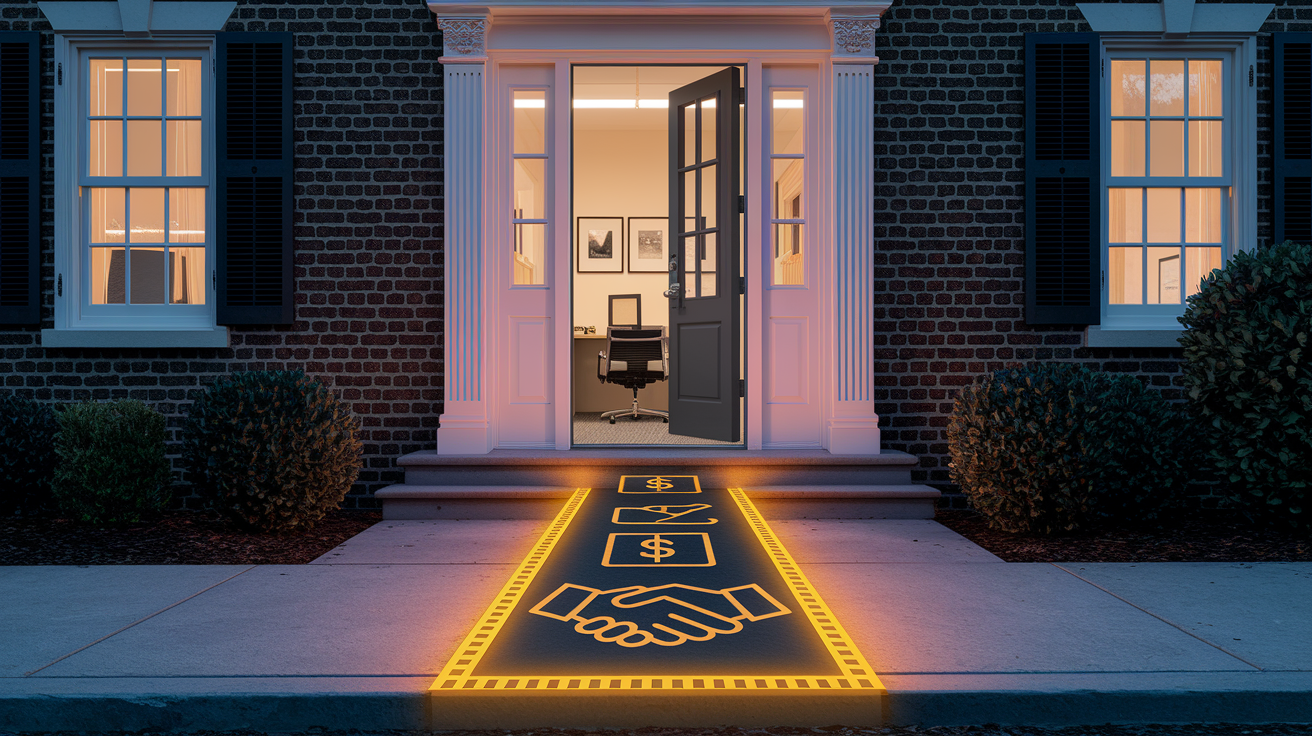
Most home business owners need to add coverage once their work hits a certain scale or introduces third-party exposure. Small operations that generate little revenue, involve no inventory, and don’t bring customers or vendors to the house might fly under the radar. But the moment business activity becomes regular or visible, your homeowners policy stops protecting you.
Regular customer or client visits create liability exposure homeowners insurance won’t touch. If clients, vendors, or delivery people show up for business reasons, you need separate liability coverage. Employees or contractors working on site add more risk and often require workers’ comp insurance, which homeowners policies never include.
Signs you need added coverage:
- Business property at home exceeds $2,500 total, including computers, tools, inventory, supplies.
- Customers, clients, or vendors visit your home for business, even occasionally.
- You depend on business income to cover living expenses, and a loss could shut you down.
- You regularly take business property off premises for job sites, trade shows, client meetings.
- You employ anyone, even part time or contract, who works at your property.
Cross any of these thresholds, and relying on homeowners insurance leaves you exposed. The business property cap won’t be enough, liability protection disappears when you need it, and lost income after a covered event goes uncompensated.
Coverage Options That Replace Excluded Business Protections

Several insurance products fill the gaps left by homeowners policy business exclusions. The right one depends on your scale, the value of your property, customer interaction, and what you sell or provide.
Home-Based Business Endorsements
Some homeowners insurers offer optional add-ons that tack limited business coverage onto a personal policy. These are getting rarer and usually provide only small bumps in business property limits, often to $5,000 or $10,000. Liability extensions are narrow and might only cover minimal business activity with almost no customer contact. Best for very small, low-risk work like occasional freelancing done entirely online with no inventory, no employees, no meetings. They don’t provide business interruption coverage or real protection for product liability, professional mistakes, or significant business property.
In-Home Business Policies
In-home business policies are standalone products built specifically for home operations. They provide broader business property coverage than an endorsement, often up to $25,000 or more, and include limited general liability for business claims. These sometimes cover lost business income and can get tailored to specific types like childcare, consulting, or small retail. Good for businesses with moderate inventory, occasional customer visits, no employees. Priced higher than endorsements but lower than full commercial policies.
Business Owners Policies (BOPs)
A BOP bundles commercial property insurance, commercial general liability, and business interruption coverage into one package designed for small to mid-sized businesses. BOPs cover business property on and off your property, provide liability protection for customer injuries and property damage, and replace lost income after a covered loss. They often include extras like coverage for valuable papers, accounts receivable, damage to other people’s property, off-site property.
BOPs are the most complete solution. Necessary for businesses with significant inventory, regular customer traffic, employees, off-site work, or dependence on business income. Also for businesses needing higher liability limits than in-home policies provide, or those that must meet insurance requirements from clients, landlords, vendors. Professional service providers like consultants, accountants, designers usually need to add professional liability or E&O coverage to a BOP, since general liability doesn’t cover claims from advice, errors, or failure to deliver services. Businesses with employees also need workers’ comp insurance, which is legally required in most states and never part of homeowners or BOP policies.
How to Document and Prepare for Proper Home Business Coverage

Accurate documentation speeds up underwriting and helps you get the right coverage. Insurers need to understand what your business does, what property’s at risk, how often third parties show up, and how much revenue you generate to quote properly and set limits that actually work.
Create an inventory of all business property at home. Computers, monitors, printers, tools, equipment, furniture used only for business, inventory, supplies. Note replacement cost for each item, not what it’s worth after depreciation. If you regularly take property off premises, document what leaves and how often. Revenue records help insurers gauge your scale and potential for business interruption losses. If customers or clients visit, note how often and why.
What to bring to an insurer:
- Detailed inventory with replacement costs for all business property, on and off premises.
- Monthly or annual revenue figures and profit or loss records.
- Description of your business type, services, products sold.
- How often customers, clients, vendors, or deliveries come to your home.
Final Words
in the action, we covered the essentials: homeowners policies usually exclude business property, liability for clients and product harms, and business income. We listed real-world denied claims and showed how insurers decide what counts as a business.
We explained tight property limits, liability gaps, why insurers exclude business risks, when you need extra coverage, and the common replacement options like endorsements, in-home policies, and BOPs. We also covered what documentation insurers want.
Check your policy for business exclusions in homeowners insurance, get written answers, and add commercial coverage if needed, so you’re actually protected when it matters.
FAQ
Q: What are the common exclusions in a homeowners policy?
A: The common exclusions in a homeowners policy are business operations, most business property (limited on‑premises cap), liability for client or product injuries, flood and earthquake unless added, and intentional loss.
Q: What type of business occupancy is not eligible for coverage under the homeowners policy?
A: The type of business occupancy not eligible for coverage under the homeowners policy is any activity with regular client traffic, employees, inventory, or hazardous operations, such as retail, daycare, manufacturing, or client-facing offices.
Q: What is the 80% rule in homeowners insurance?
A: The 80% rule in homeowners insurance requires you to insure the dwelling for at least 80% of its replacement cost; if you don’t, claim payments can be reduced proportionally, leaving you with a penalty.