





A denial letter doesn’t mean the case is over — it’s usually the start of the fight.
Read it word for word. Note the reason code, the policy section cited, and any missing documents they want.
This post gives a clear, step-by-step plan: how to decode the denial, collect the evidence that matters, file an appeal the insurer can’t ignore, and when to complain to your state or call a lawyer.
Follow these immediate actions to fix the specific problem and protect your payout.
Immediate Steps to Take After Your Car Insurance Claim Is Denied
A denial doesn’t mean your claim is over. The denial letter has the details you need. Usually there’s a specific reason code, a reference to your policy language, and notes about what documentation might be missing. Most carriers also tell you how to appeal and when you need to act. Read the whole thing before you do anything else.
Denials usually come down to one or two fixable problems. Late reporting, a gap in coverage, not enough evidence, or a fight over who caused the accident. Instead of trying to guess at every possible reason, zero in on what the insurer actually said and fix that specific problem.
Here’s what to do first:
- Read the denial letter word for word. Note every reason code, every policy section they mention, every document they’re asking for.
- Compare what they said to your actual policy coverage. Make sure their interpretation lines up with what you bought.
- Contact the insurer. But don’t admit fault or start guessing about what happened.
- Get the missing evidence or find stronger proof. Police reports, photos, camera footage, medical records, repair bills, witness statements.
- Start logging every conversation. Dates, names, what was said.
This keeps you from running into the usual problems: missed deadlines, lost paperwork, weak evidence that can’t overturn the denial.
Understanding Why Your Auto Claim Was Denied
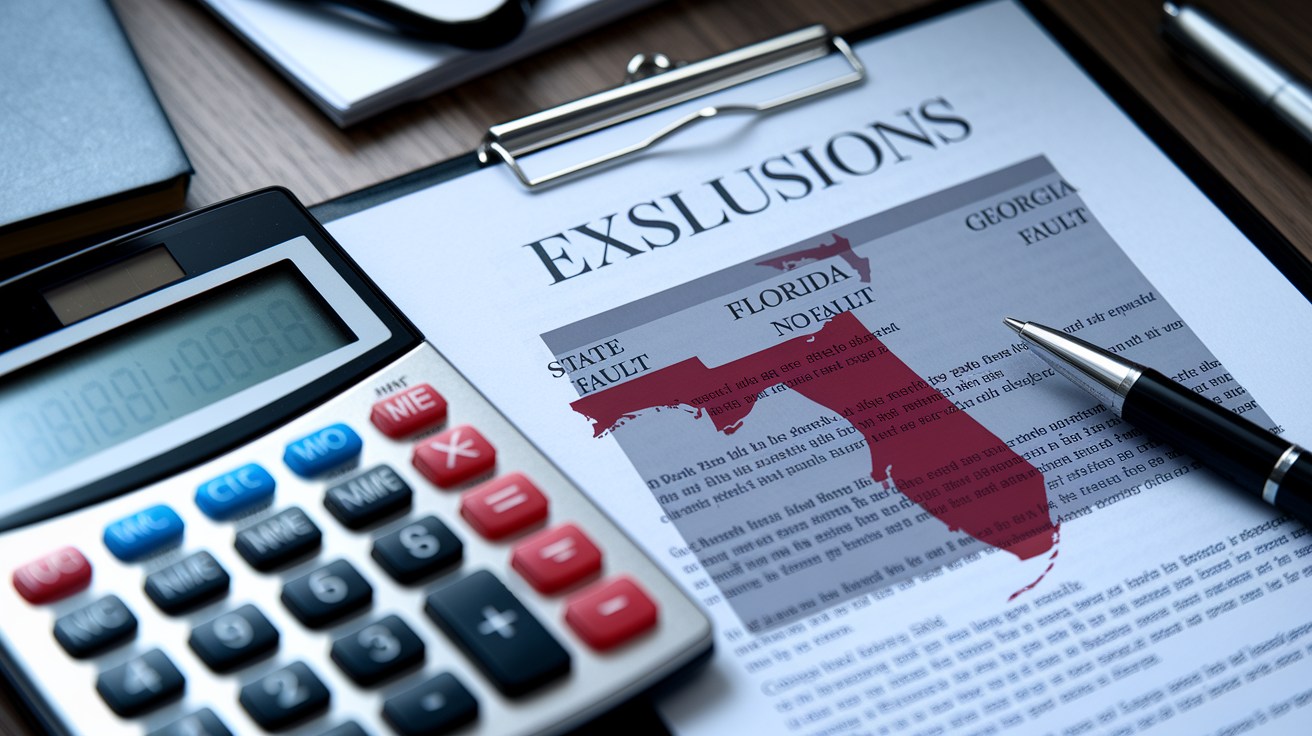
Insurers have to give you a specific reason when they deny a claim. Most of the time it comes down to policy language. Whether the incident is covered, whether you reported it on time, or whether the damage falls under an exclusion. The denial letter will reference the exact policy section the carrier is using.
Common reasons include late reporting (you missed their required time frame), pre-existing damage (they’re saying it was there before the accident), lack of coverage for that type of claim (you filed a collision claim but only have liability), policy lapses from missed payments, filing errors (incomplete forms or wrong information), and fights over who’s at fault. State law matters too. In Florida, a no-fault state, your own PIP coverage pays for injuries no matter who caused the crash. In Georgia, an at-fault state, you have to prove the other driver was responsible before their insurer will pay.
What insurers usually cite:
- Policy exclusions. Specific scenarios or damage types not covered.
- Late reporting. Claim filed after the policy’s deadline.
- Pre-existing damage. They think the damage was already there.
- Disputed liability. Disagreement over who caused it.
How to Build Strong Evidence After a Claim Denial
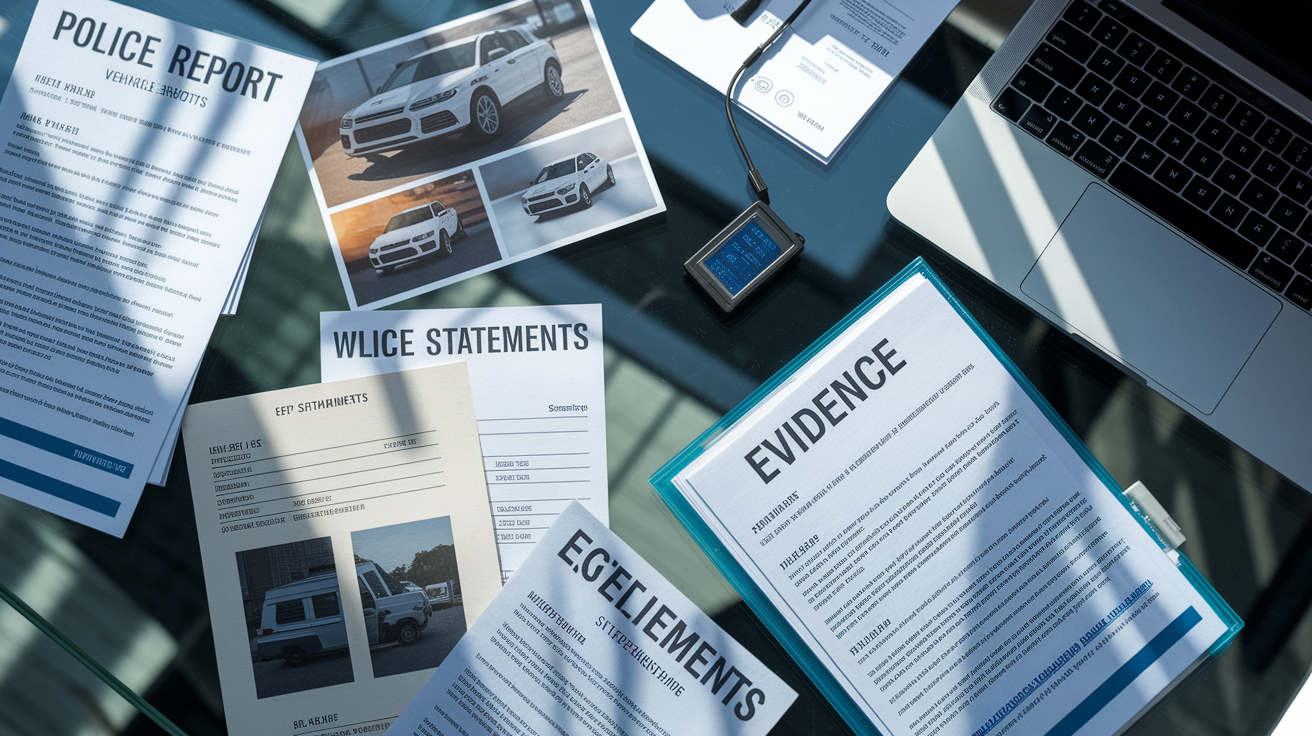
Evidence strengthens your appeal by tackling the specific reason the insurer gave. If they say you didn’t report on time, you need proof of when you called. If they’re disputing fault, you need a police report and witness statements showing what the other driver did. New evidence or something they overlooked can flip the decision.
You’ll want the police report (it’s not definitive proof of fault, but it has the officer’s observations and what people said), photo and video documentation of the vehicles, the scene, visible injuries, medical records and bills linking injuries to the accident, repair estimates and invoices showing cost and damage extent, witness statements (names, contact info, written or recorded accounts), and pre-incident repair receipts or photos proving the damage wasn’t there before. If the insurer disputes your version, camera footage from dash cams, traffic cameras, or nearby businesses can settle it.
What to collect:
- Police report
- Photos of vehicles and accident scene
- Medical records and bills
- Repair estimates and invoices
- Witness statements and contact information
- Pre-accident photos or repair receipts
- Camera footage (dash cam, surveillance, traffic camera)
In messy liability disputes, depositions or expert evaluations can turn up more evidence. Depositions create sworn testimony you can use later in court. Experts can reconstruct the accident, analyze medical causation, or assess vehicle damage beyond what the insurer’s adjuster concluded.
How to Appeal a Denied Car Insurance Claim

Most insurers and states let you formally appeal. Appeals need to be in writing, include new or corrected evidence, and follow the carrier’s specific procedure. Deadlines vary by state and insurer, so check your policy and state insurance department rules before you start.
Reviewing the Denial Letter
Start by identifying the exact reason codes and policy clauses they cited. Look for references to specific policy sections, exclusion language, or claim handling rules. If the letter says “excluded under Section 4.2,” pull out your policy and read Section 4.2 word for word. If they say you missed a reporting deadline, confirm the exact date you reported the claim and the deadline in your policy.
Comparing the Claim to Your Policy
Find where the denial reason conflicts with the actual policy language. If the insurer says you didn’t have collision coverage but your declarations page lists collision with a $500 deductible, that’s a clear mismatch. If the carrier claims pre-existing damage but your policy doesn’t define “pre-existing” or exclude prior damage from collision coverage, you’ve got a basis to challenge it.
Preparing a Written Appeal
Structure your appeal clearly. State your claim number, reference the denial date, summarize the denial reason, and explain why it’s wrong. Attach all supporting evidence: police report, photos, medical records, repair bills, witness statements. Create a numbered list of attachments so the reviewer can follow your argument. Keep it factual and professional. Focus on what the policy says, what the evidence shows, and why coverage applies.
Submitting the Appeal and Tracking the Timeline
Send the appeal via certified mail or use the insurer’s online portal with confirmation. Save the receipt or confirmation email. Log the submission date, the method, and the name of any representative you talked to. Most carriers and states require a response within 30 to 60 days, but confirm the exact timeline in your policy or state insurance department guidelines. Follow up before the deadline if you don’t hear back.
| Step | Key Action |
|---|---|
| 1. Review Denial | Identify reason codes and policy clauses cited |
| 2. Compare to Policy | Find conflicts between denial and coverage language |
| 3. Prepare Appeal | Write a clear letter and attach all supporting evidence |
| 4. Submit and Track | Send via confirmed delivery and log the timeline |
What to Do if Your Appeal Is Rejected

If the insurer upholds the denial after your appeal, you’ve got three main options. First, file a complaint with your state insurance regulator. In Florida, that’s the Department of Financial Services (DFS). In Georgia, it’s the Consumer Services Division. Regulators investigate whether the insurer mishandled the claim, violated state law, or engaged in bad faith practices. Second, request mediation or arbitration if your state or policy offers it. Mediation uses a neutral third party to help you and the insurer reach a settlement. Arbitration is more formal and results in a binding decision.
Litigation makes sense when the insurer’s denial looks unreasonable, when you have strong evidence the policy covers your claim, or when the carrier’s handling suggests bad faith. Unreasonable delays, refusal to investigate, or denial without a valid reason. A lawsuit for bad faith can result in damages beyond the original claim amount, including attorney fees and penalties. Talk to an attorney before deciding to sue. Litigation takes time and costs money.
Your three post-appeal options:
- File a complaint with the state insurance regulator for investigation of the insurer’s practices.
- Pursue mediation or arbitration through state programs or policy provisions.
- Consider a bad faith lawsuit if the insurer’s conduct appears unreasonable or in violation of your policy.
When to Consider Hiring a Car Insurance Attorney

Disputed liability and complex evidence often need legal support. If the other driver and the insurer both deny fault, or if your own carrier disputes the extent of your injuries or vehicle damage, an attorney can investigate the accident, interview witnesses, and hire experts to reconstruct what happened. Lawyers handle the evidence building process and present your case more forcefully than most consumers can on their own.
Attorneys represent clients in negotiation, appeals, mediation, arbitration, and litigation. They communicate with the insurer’s legal team, respond to document requests, and meet procedural deadlines that vary by state. If your appeal gets denied and you want to escalate to a regulator complaint or lawsuit, an attorney can handle the filing, represent you in hearings, and argue your case in court if necessary.
Bad faith indicators that need legal review include repeated delays without explanation, denial based on policy language that clearly doesn’t apply, refusal to investigate key evidence, lowball settlement offers that ignore medical bills or repair costs, and changing reasons for denial after you submit additional evidence. If the insurer’s behavior suggests they’re trying to avoid paying a valid claim, consult an attorney experienced in insurance disputes before taking further action.
Preventing Future Car Insurance Claim Denials

Reading and understanding your coverage before you file a claim reduces the risk of denial. Your policy declarations page outlines your coverage limits, deductibles, and endorsements. The policy itself defines what’s covered, what’s excluded, and what you must do after an accident. Don’t rely on what you think you bought. Read the actual document. If the language is confusing, ask your agent or the insurer’s customer service team to explain it in plain terms before you need to file.
Timely reporting, accurate documentation, and organized record keeping prevent the most common denial triggers. Report accidents immediately, even if you’re not sure you’ll file a claim. Late reporting is one of the easiest grounds for denial. Fill out claim forms carefully and double check for errors or missing information. Keep copies of everything you submit, and create a file with photos, police reports, medical records, and repair estimates before you contact the insurer. When you’re prepared, the adjuster has less reason to question your claim.
Five ways to avoid future denials:
- Report accidents immediately and confirm the reporting date in writing.
- Review your policy declarations page annually to verify your coverage matches your needs.
- Photograph your vehicle regularly to document its condition before any incidents.
- Keep organized records of all communications, forms, and supporting documents.
- Respond promptly to insurer requests for additional information or documentation.
Final Words
Act fast. A denial letter is not the end—it’s the map. Read the reasons, note missing paperwork, and follow the immediate steps: contact the insurer without admitting fault, gather stronger evidence, and log every call.
Next, use the appeal process and be ready to escalate to your state regulator or an attorney if needed. These moves preserve deadlines and your right to challenge the decision.
If you’re wondering car insurance claim denied what to do, follow this plan and you’ll improve your chances—and sleep better knowing you acted.
FAQ
Q: What can I do if my car insurance claim is refused?
A: If your car insurance claim is refused, read the denial letter for reasons and policy citations, compare to your coverage, gather missing evidence, contact the insurer (don’t admit fault), and file a written appeal or regulator complaint.
Q: What not to say to the insurance adjuster?
A: You shouldn’t say you caused the accident, guess facts, admit injuries are minor, or accept recorded statements without thinking; stick to simple facts and avoid apologies or admissions that can be used against you.
Q: What to do if insurance won’t cover Wegovy?
A: If insurance won’t cover Wegovy, ask your doctor for prior authorization and a medical-necessity letter, file an internal appeal, request a formulary exception, and check state rules or patient-assistance programs.
Q: What happens when an insurance claim is denied?
A: When an insurance claim is denied, the insurer sends a denial letter explaining the reason; you can appeal with new evidence, track deadlines, and escalate to the state regulator or legal action if appeals fail.