



Finding an efficient, enjoyable way to travel every day has become a central challenge of modern lifestyle. Many commuters automatically rely on a single passenger car for every errand, trip to work, and weekend excursion. While an enclosed vehicle provides undeniable comfort and cargo capacity, relying solely on four wheels can turn neighborhood trips into a frustrating exercise in traffic delays and tight parking. Integrating a two-wheeler into your routine offers an appealing way to diversify how you move, adding flexibility and genuine excitement to everyday travel.
Balancing two distinct modes of transport does not mean giving up the practicality of an automobile or treating a motorcycle or scooter merely as a novelty. Instead, thoughtful commuters view their garage as a flexible toolbox. By understanding the distinct strengths of each option, you can choose the ideal vehicle for each trip, preserve both machines, and make daily transit an intentional lifestyle choice rather than a monotonous chore.
Assessing Your Weekly Travel Needs
The first step toward building a balanced approach to personal transportation is evaluating your typical weekly travel patterns. Many trips involve solo travel with minimal luggage, such as a quick run to an office, a local meeting, or a short visit across town. In congested areas, maneuvering a large automobile through heavy traffic and searching for curbside parking consumes valuable time. A nimble two-wheeler cuts through congestion with ease, requiring minimal parking space while transforming a mundane commute into an engaging open-air experience.
Conversely, weather conditions and cargo needs often tip the scale in favor of four wheels. Rainy mornings, winter roads, grocery runs, and family outings naturally demand the secure shelter and expansive seating of an automobile. Taking time to map out your upcoming schedule helps you decide which mornings call for the protective cabin of a car and which afternoons invite the brisk agility of a two-wheeler.
When you decide to bring a two-wheeler into your routine, selecting the right machine is essential to ensure long-term satisfaction. The right bike should match your riding posture, experience level, and personal taste rather than a passing trend. For those exploring dependable options and seeking a ride that aligns with their personal character on the road, visiting martin-bike.com can help you evaluate personal preferences to choose an exciting road companion that complements your daily travel style.
Keeping Your Automobile Functional and Visually Appealing
Introducing a two-wheeler into your travel repertoire does not diminish the value of your automobile. In fact, dividing your trips across two platforms often allows you to appreciate your car even more. Because your car is no longer burdened with every minor errand, it experiences less stop-and-go wear, preserving its interior and mechanical components over extended ownership.
An attractive, well-kept vehicle elevates your driving experience whenever weather or passenger duties require four wheels. Keeping the cabin clean, conditioning surfaces, and maintaining exterior paint ensures that your automobile remains an inviting space rather than a cluttered utility vessel. Thoughtful detailing and sensible cabin accessories create an environment where longer drives feel restful and orderly.
Selecting the right vehicle and styling it to match your standards requires an appreciation for automotive design and practical utility. Commuters who want an appealing, dependable vehicle benefit from studying selection guides and styling practices. Helpful resources like Monotukuru provide excellent perspectives on finding an attractive automobile suited to your personal taste and daily lifestyle.
Coordinating Maintenance Routines Across Multiple Vehicles
Owning both a car and a two-wheeler introduces multiple maintenance schedules that must be organized to avoid mechanical trouble. While cars and motorbikes share basic mechanical principles, their servicing intervals differ noticeably. A two-wheeler demands frequent attention to chain tension, tire wear, and exposed controls, whereas an automobile relies heavily on enclosed fluid circuits, filtration systems, and complex suspension components.
Creating a simple maintenance log in your garage helps track oil changes, tire pressure inspections, and brake pad wear across both machines. When vehicles share commuter duty, an automobile might sit idle for several days during mild weather. Checking battery condition, monitoring tire pressures, and ensuring fresh fuel prevents inconvenient surprises when you need to switch vehicles on short notice.
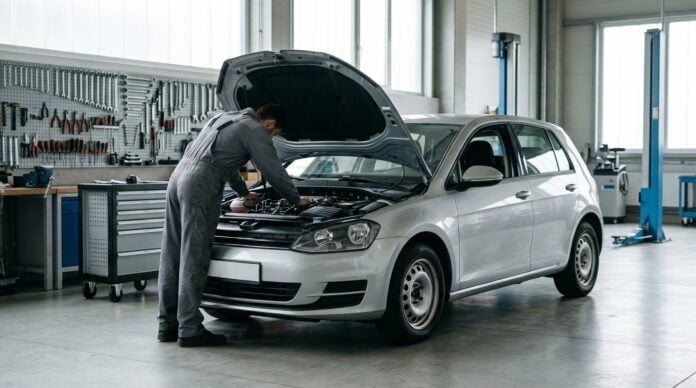
If your daily driver has accumulated substantial road mileage over the years, steady upkeep becomes doubly important. Incorporating simple habits for reliable daily driving can protect your primary commuter against sudden breakdowns, allowing you to alternate between your two vehicles with complete confidence.
Practical Steps for a Smooth Daily Transition
Moving effortlessly between driving an automobile and riding an open-air machine requires deliberate organization. Because two-wheelers require specific gear and weather awareness, rushing your morning departure can lead to misplaced equipment or poor travel choices. Establishing a smooth routine simplifies your mornings and keeps daily travel convenient.
Here is a practical checklist to help you manage a dual-vehicle setup efficiently:
- Check weather forecasts the evening before to choose the right vehicle for expected road conditions.
- Store riding apparel, helmets, and gloves in a dedicated, accessible entryway cabinet.
- Inspect tire pressures and fluid levels on both machines at regular intervals throughout the month.
- Arrange your garage or driveway so your chosen machine has a clear exit path each morning.
By making these small steps part of your routine, alternating between an automobile and a two-wheeler becomes effortless. You avoid the annoyance of shuffling vehicles in tight driveways or searching for protective clothing when you need to leave promptly.
Balancing Safety, Comfort, and Everyday Enjoyment
The mindset required for riding a two-wheeler differs significantly from driving an enclosed passenger car. Inside an automobile, sound insulation and modern climate control create a calm, insulated cabin. While this reduces physical fatigue during stressful commutes, it can also encourage passive driving habits. In contrast, operating a motorcycle or scooter demands sharp vigilance, active road scanning, and responsive positioning.
Embracing this contrast often sharpens your overall road awareness. Experienced riders frequently find that the vigilance developed on two wheels makes them more attentive and considerate drivers behind the wheel of a car. Meanwhile, the protective cabin of a car provides a welcome shelter when traffic is congested or energy is low after a long workday.
Ultimately, dividing your travel between two and four wheels brings a fresh sense of engagement to everyday life. Rather than viewing commuting as lost time, you can tailor each journey to the weather, your schedule, and your personal energy. A sunny morning ride provides invigorating recreation, while a rainy evening inside a quiet car offers comfortable relaxation.
Developing a versatile personal garage is one of the most satisfying ways to upgrade your daily lifestyle. By combining the agility and thrill of a two-wheeler with the comfort, capacity, and dependable protection of an automobile, you create a personal transit approach that adapts to your needs. With balanced maintenance, thoughtful vehicle choices, and simple daily preparation, every trip becomes a rewarding part of your day.


