



Taking your regular commuter vehicle on an extended road trip is an exciting way to explore new destinations and visit distant friends. However, the mechanical demands of long-distance highway driving differ significantly from the predictable stop-and-go patterns of daily commuting. Sustained highway speeds, prolonged engine heat, and variable road conditions quickly reveal minor mechanical issues that often go unnoticed during short neighborhood errands.
Preparing your car before leaving home ensures a safer journey and protects your travel schedule from inconvenient breakdowns. A routine pre-trip inspection gives you peace of mind and allows you to resolve simple maintenance items in your own garage or with a trusted local mechanic. Making proactive vehicle care a standard habit keeps maintenance manageable rather than turning it into a stressful last-minute rush before departure.
Inspecting Essential Fluids and Engine Components
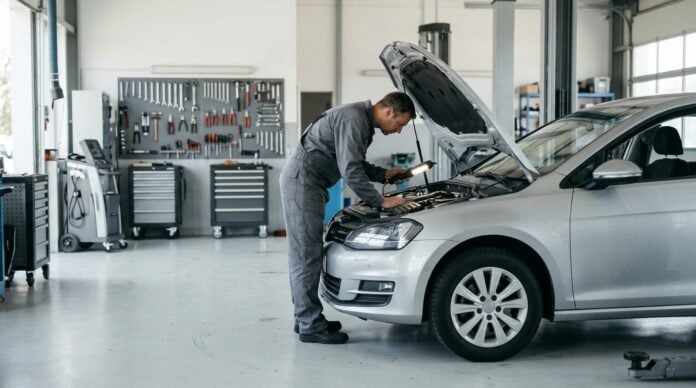
Long highway journeys place continuous thermal and mechanical stress on your engine. Begin your preparation by checking all primary fluids while the vehicle is parked on level ground with a cool engine. Pull the engine oil dipstick, wipe it clean with a lint-free cloth, reinsert it fully, and draw it out again to verify both fluid level and clarity. Healthy motor oil should appear translucent and amber rather than dark, gritty, or sludgy.
You should also inspect your coolant reservoir, transmission fluid, power steering fluid, and brake fluid. Low coolant can trigger sudden engine overheating during long uphill climbs, while depleted brake fluid impairs your stopping performance and pedal responsiveness. If fluid levels fall below the indicated fill lines, top them off with manufacturer-recommended formulations. For motorists seeking reliable vehicle care ideas, component guides, and practical maintenance tips, consulting Cartoolexpress provides helpful direction on choosing quality parts and maintaining vehicle health.
While checking fluid reservoirs, take a few minutes to inspect the rubber components beneath the hood. Check radiator hoses and drive belts for visible cracking, fraying, or soft spots. A brittle serpentine belt is far more vulnerable under sustained highway speeds and intense engine heat. Replacing questionable belts or swollen hoses before departing prevents an unexpected stall in unfamiliar territory.
Evaluating Tires and Braking Performance
Your tires are the sole contact point between your vehicle and the pavement, making tire inspection essential for highway safety. Check tread depth across each tire for signs of uneven wear, which often indicates improper wheel alignment or worn suspension parts. If tread grooves are shallow or worn down to the built-in wear bars, replacing the tires before your journey ensures reliable traction during sudden rainstorms or emergency maneuvers.
Measure tire pressure across all wheels when the rubber is completely cold, matching the pressure specifications found on the driver door jamb sticker. Remember to inspect your spare tire as well, confirming proper inflation and checking that your jack and lug wrench are present and in good working order. Driving on underinflated tires increases heat buildup, accelerates tread wear, and significantly raises the risk of highway blowouts.
Pay close attention to brake response during everyday driving in the days leading up to your departure. Squealing sounds, grinding noises, or steering wheel vibrations during braking indicate worn friction pads or warped rotors. High-speed travel demands dependable stopping power, so having a professional inspect and service your brakes beforehand protects everyone inside your cabin.
Assembling a Reliable Roadside Emergency Kit
Even carefully maintained vehicles can encounter unexpected road hazards, sudden weather changes, or tire punctures. Carrying a dedicated roadside emergency kit ensures you can handle minor setbacks safely without excessive delays. Store your supplies in an accessible plastic tote or organizer placed on top of your luggage rather than burying it underneath heavy suitcases.
A practical travel kit contains basic supplies for minor mechanical troubleshooting and personal comfort during unplanned stops:
- Heavy-duty jumper cables or a compact rechargeable battery jump pack
- A digital tire pressure gauge and a portable electric air inflator
- A bright flashlight with extra batteries or a rechargeable work light
- A basic set of hand tools including screwdrivers, wrenches, and pliers
- A well-stocked first aid kit with adhesive bandages, gauze, and antiseptic wipes
- Bottled drinking water and non-perishable snacks for each passenger
Adding a high-visibility reflective safety vest and folding warning triangles is also recommended for long-distance travel. If you must pull over along a narrow or unlit highway shoulder, reflective markers alert oncoming drivers and create a safer working perimeter around your vehicle while you wait for assistance.
Reviewing Documentation and Travel Protection Plans
Mechanical readiness is only one component of thorough travel preparation. You must also verify that your driver license, vehicle registration, and insurance verification cards are current and stored neatly in your glove compartment. Having valid documentation readily available avoids unnecessary stress during routine traffic stops or unexpected checkpoints along your route.
Breakdowns and fender benders can be challenging to manage far from home, making dependable insurance coverage and roadside assistance vital safeguards. Reviewing your policy options with Car Insurers Online helps motorists find dependable protection tailored to their driving needs. Reliable coverage ensures that towing services, lockout assistance, and emergency fuel delivery remain readily accessible throughout your travels without causing unexpected financial strain.
Thoughtful driving habits also connect directly to long-term vehicle ownership. Staying organized and addressing minor maintenance issues promptly is an effective way of protecting your vehicle investment over time while avoiding costly repairs down the road. Keeping detailed service records helps preserve vehicle reliability and resale value across many long seasons of travel.
Creating a Comfortable and Distraction-Free Cabin
Spending long hours behind the wheel requires a clean and organized cabin that supports driver concentration and passenger comfort. Clear out accumulated trash, empty beverage containers, and loose clutter that could slide under foot pedals during abrupt braking. Secure your belongings in trunk organizers or seatback pockets so they remain stationary throughout your trip.
Ensure your cabin air filter is clean and test your climate controls before setting off on the highway. Inspect windshield wiper blades for tears and top off your washer fluid reservoir with seasonal wash. Worn wiper blades smear water across the glass, severely compromising forward visibility during heavy rain or dusty highway conditions.
Configure navigation settings, secure phone mounts, and select audio playlists before shifting into drive. Adjusting mobile devices while cruising at high speeds introduces dangerous distractions. Scheduling regular rest breaks every couple of hours gives the driver time to stretch, hydrate, and stay mentally refreshed for the miles ahead.
Preparing a daily commuter vehicle for long-distance travel does not require advanced mechanical skills or extensive shop tools. By systematically inspecting engine fluids, monitoring tire wear, packing emergency gear, and verifying your insurance protection, you establish a solid foundation for a safe and relaxing trip. A little advance preparation turns your daily driver into a dependable highway companion, giving you the freedom to focus entirely on enjoying your journey.


