





Companies hope you ignore a rate increase notice — and that costs you money fast.
A rate increase notice lists your current and new rate, the effective date, and the deadline to respond.
Miss that window and you may be locked into a higher bill or lose the right to cancel without penalty.
This article shows exactly what to check the day you get the notice, how to spot errors or weak excuses, when to negotiate or cancel, and the three steps to protect yourself and your wallet.
What to Do Immediately When You Receive a Rate Increase Notice
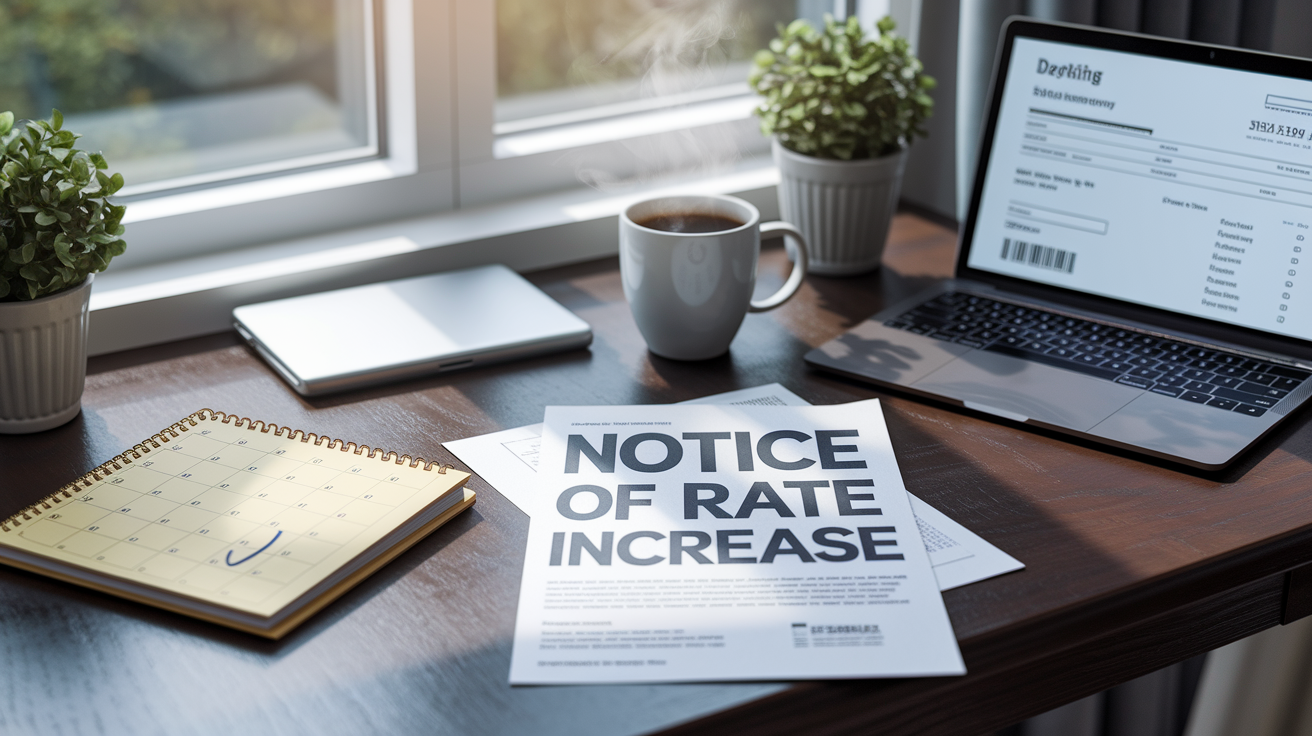
A rate increase notice tells you your current rate, the new rate, when it kicks in, and how long you’ve got to respond. Most industries have to give you at least 30 days’ heads up, though some give 60 to 90 depending on the service and where you live.
This notice matters. Miss the deadline and you’re stuck with the new rate, especially if your contract auto-renews. Ignore it and you lose your shot to negotiate, cancel without penalty, or lock in something better before the increase hits.
Here’s what to do now:
- Check that the notice is accurate. Make sure your account number, current rate, and service details match your recent bills.
- Write down the effective date and response deadline. Put both on your calendar and set a reminder a week early.
- Compare the new rate to what you’ve been paying. Figure out the dollar amount and percentage increase so you know what this actually costs you monthly and yearly.
- Pull out your contract. Look for anything about price adjustments, cancellation windows, and early termination penalties.
- Call if something looks wrong or confusing. Get a written explanation of why they’re raising the rate and confirmation of your options to cancel or push back.
Common Reasons Companies Raise Rates
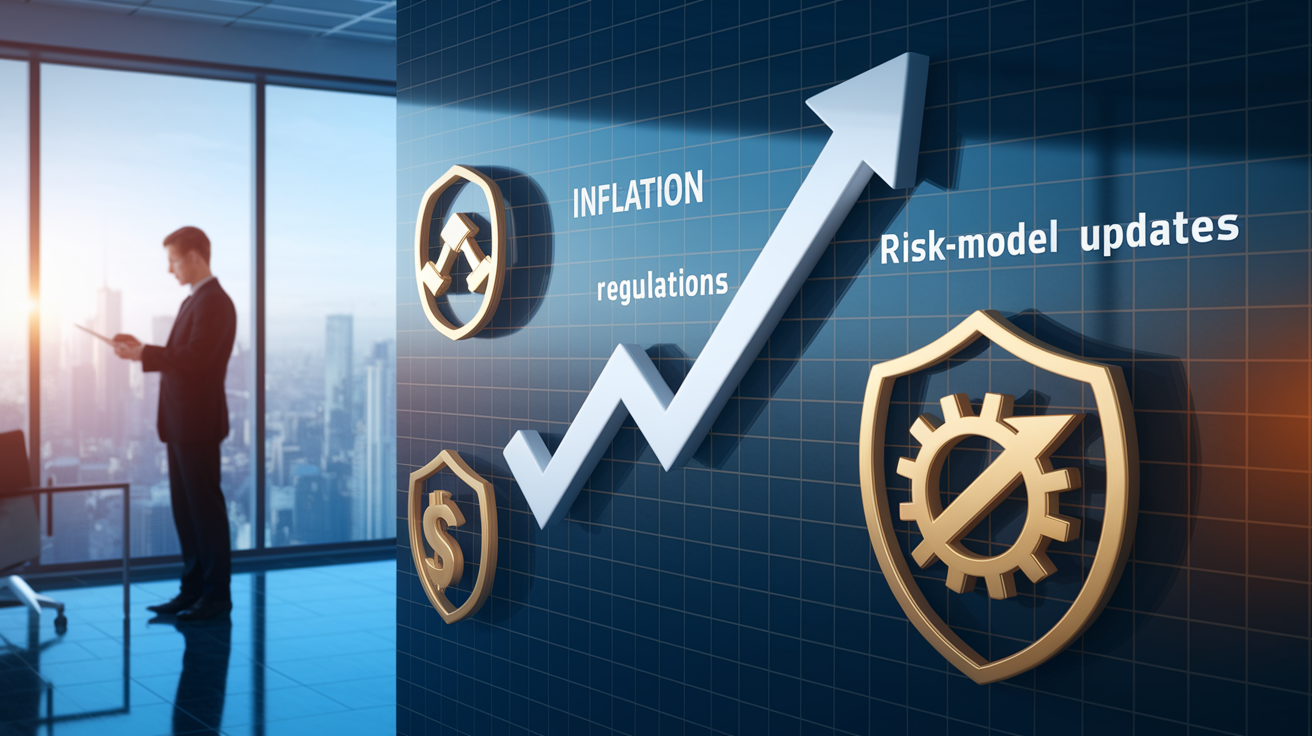
Companies raise rates for operational reasons, market pressures, or sometimes just because they can. Understanding why helps you figure out if the increase is justified, whether it tracks with what’s happening in the broader economy, and whether your provider is being straight with you about their costs.
Sometimes rate increases reflect real business pressures. Other times they’re opportunistic, testing what customers will tolerate or making up for lost subscribers by squeezing more from the ones who stay. Knowing which it is helps you decide whether to accept it, fight it, or leave.
Here’s what usually drives increases:
- Inflation and rising costs: wages, rent, and everyday operational expenses go up over time.
- New regulations: compliance requirements, taxes, or mandated coverage changes can push costs higher for insurers, utilities, and financial companies.
- Risk updates: insurers and lenders refresh their risk models periodically, which can mean higher rates for certain customers or areas.
- Supplier and material costs: utilities, subscription services, and product companies face rising input costs that get passed along.
How to Review the Details of Your Rate Increase

Start by putting the rate increase notice next to your most recent bill. Look for changes to specific line items. Sometimes only certain charges go up (your base rate stays the same while a fee or surcharge jumps). Understanding what’s changing helps you see the real impact and spot where you might have room to negotiate.
Next, calculate the percentage increase and figure out what it costs you annually. A small monthly bump can feel manageable until you realize it’s hundreds of dollars over a year. If the notice lists optional add-ons or service tiers, check whether dropping or downgrading something would offset part or all of the increase. Providers sometimes count on you paying for features you never actually use.
Use this table to keep track:
| Item | Old Amount | New Amount | Notes |
|---|---|---|---|
| Base monthly rate | $65.00 | $72.00 | 7.7% increase |
| Service fee | $3.50 | $5.00 | Fee jumped 43% |
| Optional add-on | $10.00 | $10.00 | No change; consider dropping |
| Total monthly | $78.50 | $87.00 | $102 more per year |
How to Negotiate or Challenge a Rate Increase

Most service providers have retention teams whose whole job is keeping you from canceling. Calling with a polite, fact-based request for a discount or loyalty rate often works, especially if you’ve been a customer for years, pay on time, and don’t cause problems.
Start by mentioning the notice, how long you’ve been with them, and asking directly if they can offer a reduced rate, a loyalty discount, or an extension at your current price. Say you’ve been checking competitors (even if you haven’t yet). This tells them you’re serious about leaving. Stay calm. Retention reps are way more likely to help when the conversation feels cooperative.
If the first person can’t help, ask to escalate to a supervisor or retention specialist. Some companies save discounts and special pricing for higher-level agents. Always get written confirmation of any rate reduction or promotional lock before you agree to stay.
Here are six things to try:
- Bring up competitor pricing. Name a specific competitor with a lower rate and ask if they can match it.
- Ask for a loyalty discount. Point out your payment history, how long you’ve been a customer, and your lack of claims or support issues.
- Propose a shorter lock at the old rate. Offer to commit for 6 to 12 months at your current price if they’ll let you stay.
- Request added value instead of a price drop. Ask for upgraded features, waived fees, or included extras to offset the increase.
- Bundle services. If they offer multiple products (like internet and phone), ask about a multi-service discount.
- Say you’re thinking about canceling (politely). Tell them you’re considering switching and ask what they can do to keep you. Then stop talking and let them respond.
Your Rights to Cancel or Switch Providers After a Rate Increase

In a lot of industries, a mid-contract price increase gives you the right to cancel without paying an early termination fee. This is pretty standard in insurance, utilities, and subscription services. Check your contract’s “material change” or “rate adjustment” section to confirm. If they change the price you originally agreed to, you’re often released from the rest of the term.
Even if your contract technically allows price changes, consumer protection laws in some states require advance notice and a penalty-free cancellation window. Many utility regulators require 30 days’ notice and let customers switch providers before the new rate starts. Insurance regulators often have similar notice rules and cancellation rights when rates go up.
If you’re going to switch, do it before the effective date on the notice. Once the new rate takes effect, you may lose your penalty-free window and get locked into a new term. Document your cancellation request in writing (email or certified mail) and keep a copy with proof of delivery. If you’re switching to a competitor, confirm the new provider can start service before your old contract expires so you don’t end up with a gap or overlap.
Documenting and Tracking Your Rate Increase

Keeping organized records protects you if the provider screws up the increase, if you need to dispute a charge, or if you decide to file a complaint with a regulator. Written documentation also gives you more leverage when negotiating. Showing payment history and prior communications proves you’re a reliable customer worth keeping.
Start a folder (physical or digital) the day you get the notice. Include the original notice, your current contract or terms, the last six to twelve months of bills, and any emails or letters you send or get about the increase. If you call customer support, write down the date, time, rep’s name, and what was discussed. Follow up phone calls with an email restating what you understood and asking for written confirmation.
Keep these on file:
- The original rate increase notice with the date you got it
- Your current contract, terms of service, and any updates
- Recent bills or statements showing the old rate and payment history
- Notes from phone calls (dates, names, summaries, reference numbers)
How to Compare Alternatives and Shop for Better Rates

Get at least three quotes from competitors offering the same service level. Don’t just look at the monthly price. Check setup fees, contract length, early termination penalties, promotional periods, and any rate changes built into year two. A “cheap” intro rate that doubles after six months can cost you more than the increase you’re trying to avoid.
Use online comparison tools, call providers directly, and read reviews for customer service quality and billing transparency. Some industries (insurance, for example) offer multi-policy discounts or safe-driver credits that can lower your actual rate. For utilities and internet, check whether your address qualifies for competitor service. Availability depends on location, and some areas don’t have many options.
Evaluate alternatives using these factors:
- Total first year cost, including all fees and promo pricing.
- Rate stability: does the price jump after a promo period, or is it locked for the full term?
- Contract length and early termination penalties: shorter terms give you flexibility, longer terms might lock better rates.
- Service quality and reliability: read recent reviews and check complaint data with your state regulator or consumer protection agency.
- Bundling and discount opportunities: can you save by combining services (internet and phone, home and auto insurance)?
Legal Protections and Consumer Regulations Related to Rate Increases

Most states and many federal agencies regulate how and when companies can raise rates, especially in industries like insurance, utilities, and financial services. Common requirements include advance written notice (usually 30 to 60 days), clear disclosure of the old and new rates, and sometimes approval from a regulator before the increase goes through.
For insurance, state departments of insurance review proposed rate increases and can reject them if the reason is weak or unfair. If you think your increase is illegal or wasn’t properly disclosed, you can file a complaint with your state insurance commissioner. For utilities, public utility commissions oversee rate changes and hold public hearings. You can comment and object. Financial products like credit cards, loans, and bank accounts are covered by federal disclosure rules that require notice of rate changes and let you opt out in certain situations.
If your notice doesn’t give you enough advance time, lacks required disclosures, or seems to violate your contract, document it and escalate. Contact the provider in writing, ask them to comply with regulations, and if that doesn’t work, file a complaint with the relevant regulator. Most agencies have online complaint portals and will investigate.
Final Words
Check the notice immediately: confirm the effective date, the new price, and any required response window.
Compare the new charge with past bills, verify accuracy, and save a copy of the notice and any communications.
If you’re wondering what happens when you get a rate increase notice, you usually have time to dispute, negotiate, cancel without penalty, or shop alternatives. Do those steps and you’ll likely avoid surprises and keep control of your costs.
FAQ
Q: How much notice should you give for a price increase?
A: You should give at least 30 days’ notice in many industries, but check your contract and local rules—some sectors require longer or allow shorter notice for renewals or promotional changes.
Q: Can I cancel my contract if the price goes up?
A: You can often cancel your contract without penalty when a mid-term price increase is imposed, but it depends on the contract language and local consumer laws—confirm deadlines and written cancellation rights.
Q: Why do companies send price increase notices?
A: Companies send price increase notices to explain rising charges, usually because of higher operating costs, inflation, regulatory changes, or updated risk assessments, and to meet legal notice requirements.
Q: What should a price increase notice include?
A: A price increase notice should include the effective date, old and new prices (or percent change), reason for the increase, response deadline, cancellation rights, and a contact for questions or disputes.