





Think your homeowners insurance hike was random? It usually isn’t. Insurers raise your premium when you file claims or when their data says your house or neighborhood will cost them more down the road. This post lays out the seven big drivers—claims history, location and weather risk, home age and materials, rising repair costs, credit-score shifts, coverage changes, and policy lapses—so you can spot the real cause, avoid common gotchas, and focus on the few fixes that actually lower your renewal bill.
Why Your Homeowners Insurance Costs Rise (The Short Answer)

Your homeowners insurance premium climbs for two reasons: you filed a claim, or the insurer expects to pay out more in your area going forward. Most increases come down to actual payouts, future risk predictions, or changes in what you’re covering.
Insurers don’t just guess. They crunch numbers on every claim filed, every storm that rolls through, every spike in lumber prices or contractor wages, every shift in your credit-based risk score. When the data says “this house or this zip code will cost us more,” the premium follows.
Seven things drive up what you pay:
• Claims history – File one or more claims and the insurer tags you as higher risk. Your renewal rate jumps.
• Location and weather exposure – Flood zones, wildfire corridors, hurricane coasts, high-crime blocks. More expected losses, higher premiums.
• Home age and condition – Old roofs, outdated wiring, aging plumbing, skipped maintenance. All increase the odds of damage and big payouts.
• Inflation and construction costs – Lumber, steel, labor, contractor rates go up. The insurer’s replacement cost estimate climbs even if your house hasn’t changed.
• Credit score shifts – Drop in your credit-based insurance score signals higher claim probability in their models. Premium rises.
• Coverage increases – Raise dwelling limits, add endorsements, lower deductibles. The insurer’s exposure expands. So does the cost.
• Policy lapses or cancellations – Coverage gaps flag underwriting risk. You’ll usually see higher quotes or restricted placement.
How Claims History Impacts Your Premium

File even one claim and you’re moved into a higher-risk tier. Insurers track your claim count and payout totals over the last three to five years. A single mid-size claim often pushes your renewal premium up 10 to 30%. Multiple claims in that window can drive increases past 30%, sometimes above 50%, depending on what happened and how often.
Here’s where it gets painful. Filing a $2,000 water damage claim on a $1,500 annual premium can add $300 to $600 extra every year for the next three to five years. You end up paying back the claim benefit, then some. The insurer sees a pattern: “this house filed once, it’ll file again,” even if the first event was random bad luck.
Claim types that usually trigger noticeable premium bumps:
• Water damage – Burst pipes, sewer backup, appliance leaks. Insurers assume the underlying problem (old plumbing, poor maintenance) isn’t going away.
• Liability claims – Slip and fall or dog bite payouts signal ongoing exposure. The surcharges tend to be steeper.
• Wind and hail damage – Repeated storm claims in tornado or hail zones tell the insurer your roof or location is a chronic target.
How Location and Environmental Risk Affect Your Rate

Your ZIP code matters as much as your claims record. Areas with frequent wildfires, hurricanes, tornadoes, hail storms, or flooding produce higher expected losses. Insurers charge more from day one and raise rates faster when regional claim activity spikes.
Crime counts too. High property crime neighborhoods see more theft and vandalism claims. Insurers adjust pricing block by block using local police data and claim frequency. Being a few streets away from a high-crime zone can still shift your premium tier.
Regional rebuilding costs vary. Coastal and urban areas often have higher contractor labor rates, stricter building codes, longer permit timelines. All of that raises the insurer’s expected payout per claim. When the local cost to rebuild a square foot jumps 15% in two years, your premium follows. Doesn’t matter if you filed a claim or not.
The Role of Home Age, Materials, and Condition
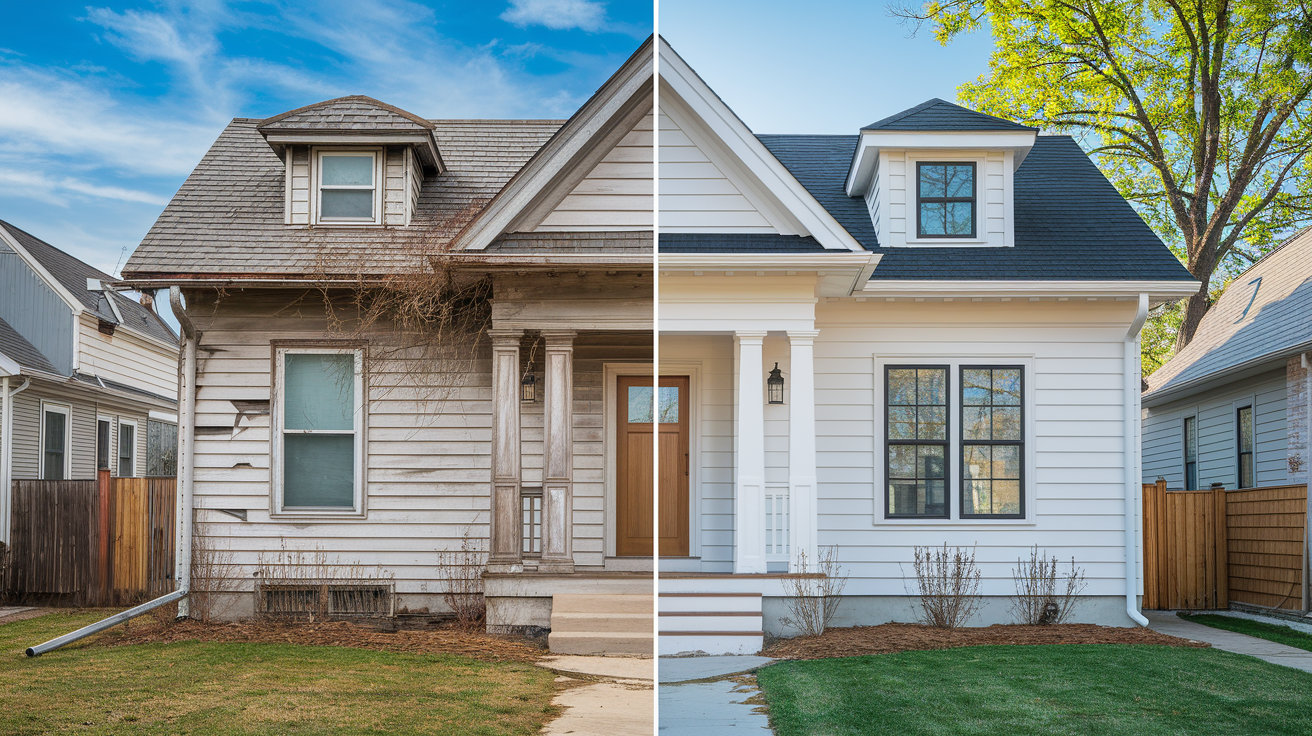
Older homes cost more to insure because older systems fail more often and cost more to bring up to code when damaged. A roof older than 15 to 20 years, knob and tube wiring, galvanized steel or polybutylene plumbing, a furnace past its expected life. All raise underwriting red flags.
Insurers know that when an old roof leaks, the claim often involves interior damage and mold remediation on top of roof replacement. When outdated wiring shorts out, the fire damage claim can be catastrophic. Deferred maintenance turns small problems into expensive payouts.
| Home Feature | Impact on Premium |
|---|---|
| Roof age (over 15 to 20 years) | Surcharge or coverage restriction. Replacing roof often reduces premium 5 to 20% |
| Electrical system (outdated wiring) | Higher fire-risk pricing. Updating to modern code lowers rates |
| Plumbing system (galvanized, polybutylene) | Water damage risk premium. Replacing old pipes can reduce cost |
| Construction materials (wood vs. masonry) | Wood frame homes cost more in fire and wind zones. Masonry often qualifies for discounts |
Inflation and Rising Repair/Construction Costs

Between 2020 and 2023, lumber prices spiked, contractor labor became scarce, rebuild costs per square foot jumped double digits in many regions. Insurers saw replacement cost estimates climb 10 to 40% depending on market and location, even for homes that hadn’t changed at all.
This isn’t about you or your house. It’s about what it costs to replace your dwelling if it burns down or gets flattened. When the insurer’s actuaries recalculate that replacement cost, the premium rises to match the new exposure. The policy limit needs to track inflation or you’ll be underinsured.
Supply chain disruptions, labor shortages, material price volatility. Insurers constantly adjust their rebuild models. If local contractors are booked solid and charging a premium, your insurer factors that into the next renewal quote. You feel the increase even if you never filed a claim.
Credit Score Changes and Their Effect on Premiums

In most states, insurers use a credit-based insurance score. Not the same as your loan credit score, but built from similar data. Research shows a statistical link between credit behavior and claim frequency, so drops in your score can trigger premium increases, sometimes 10 to 50% depending on the tier shift and the insurer’s models.
This doesn’t mean “bad credit equals bad driver or careless homeowner.” It means insurers found a pattern in aggregated data and built it into pricing. Whether you agree with the logic or not, the premium impact is real.
Credit-related triggers that raise your homeowners insurance premium:
- Late or missed payments – Payment history is the largest component of credit-based scoring. 30-day or 60-day delinquencies lower your score and raise insurance rates.
- High revolving balances – Maxing out credit cards signals financial stress, which insurers correlate with higher claim frequency.
- New derogatory marks – Collections, charge-offs, or bankruptcy filings drop your score quickly and can push you into a higher-risk insurance tier.
Coverage Adjustments and Policy Changes That Increase Costs

Every time you raise your dwelling limit, add an endorsement, or switch from actual cash value to replacement cost coverage, your premium goes up. The insurer’s maximum payout exposure increases.
Insurers automatically adjust dwelling limits based on local construction cost indexes. If rebuild costs rise 8% in your area, your limit (and premium) will climb at renewal even if you don’t request it. You can refuse the increase, but then you risk being underinsured if you have a total loss.
Adding endorsements (sewer backup, equipment breakdown, identity theft, ordinance and law, cyber protection) can add $50 to $500 or more per year each, depending on coverage and risk. Lowering your deductible from $1,000 to $500 typically raises the annual premium 10 to 25%. The insurer will pay out sooner and more often on smaller claims.
Policy Lapses and Gaps in Coverage
A lapse, even for 30 days, tells underwriters you’re disorganized or financially stressed. Insurers treat lapses for nonpayment as a behavioral red flag. Re-entering the market after a gap often means higher quotes, fewer competitive options, or placement in a higher-risk tier.
Cancellations for nonpayment can also trigger surcharges or denial from preferred carriers. You might end up in the state’s assigned risk pool or a surplus lines insurer where premiums run 30 to 100% higher than standard market rates. Once you have a lapse on record, it stays visible to underwriters for three to five years. Every renewal or new quote process will ask about it.
Controllable vs. Uncontrollable Premium Factors

You can influence some of the reasons your premium rises. Others you can’t. Knowing which is which helps you focus on actions that actually reduce cost or prevent future increases.
| Controllable | Uncontrollable |
|---|---|
| Filing frequency (self-pay small losses) | Regional weather patterns and catastrophe frequency |
| Home maintenance (roof, wiring, plumbing upgrades) | Inflation in labor and material costs |
| Deductible selection (higher = lower premium) | Neighborhood crime trends and local claim density |
| Credit score behavior (on-time payments, low balances) | Insurer reinsurance costs after major catastrophe years |
The controllable list is your action plan. Replace that 20-year-old roof, keep your credit clean, choose a $2,500 deductible if you have emergency savings, and think twice before filing a $1,500 claim that could cost you $500 a year for the next five years. The uncontrollable list is context. Understanding why your premium jumped even when you did everything right helps you decide when to shop carriers and when to accept the market reality.
Final Words
You saw the main reasons homeowners insurance costs rise: claims history, where your home sits, aging systems, rising construction and repair costs, credit-score shifts, coverage changes, and policy lapses. Each one can push your renewal higher.
Some of those you can control: maintenance, deductible choices, and improving credit. Others you can’t: storms and inflation. That mix is why small choices matter.
Ask “what increases homeowners insurance premiums,” then do three things: fix hazards, compare coverage, and avoid gaps. You’ll be better prepared.
FAQ
Q: Why did my homeowners insurance go up so much this year?
A: Your homeowners insurance likely rose because insurers raised rates after more claims, higher local disaster risk, aging home components, construction-cost inflation, lower credit, expanded coverage, or a recent policy lapse.
Q: What is the 80% rule for homeowners insurance?
A: The 80% rule means you should insure your dwelling for at least 80% of its replacement cost; otherwise on a partial loss the insurer may pay only a proportional share, leaving you responsible for the rest.
Q: What is the average homeowners insurance on a $300,000 house?
A: The average annual homeowners insurance for a $300,000 house is about $1,200–$2,000 nationwide, but your actual premium depends on state, coverage level, deductible, local risks, and home condition.
Q: How do I stop my home insurance from going up?
A: You can slow or stop increases by improving home maintenance (roof, wiring), raising your deductible, bundling policies, improving credit, shopping multiple insurers, and avoiding small claims that trigger rate hikes.