



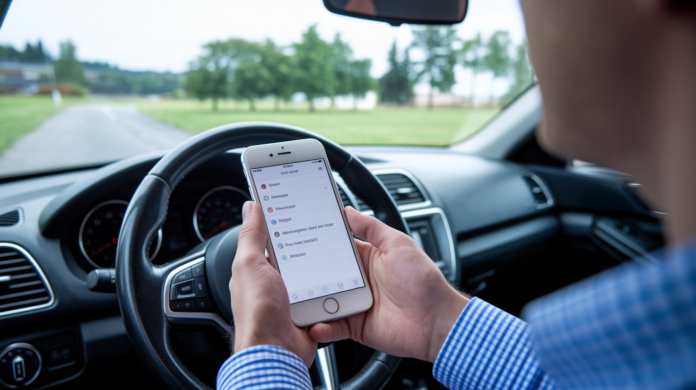
A single ticket, a small crash, or moving to a different ZIP code can jack your car insurance by hundreds at renewal.
Rates rise for two reasons: something in your life makes you a higher risk, or the whole market is paying more for repairs, medical bills, and thefts.
This post shows the real triggers, the common gotchas in policy fine print, and the simple steps that actually keep your bill from climbing.
No sales fluff—just what to check, what to ask your agent, and the trade-offs that matter when a claim happens.
What Makes Car Insurance Rates Go Up and How to Stop It

Core Factors That Make Car Insurance Rates Go Up

Rates climb for two basic reasons: you changed, or the whole market did. When your risk profile shifts (tickets, crashes, adding a teenager, more miles) insurers charge more because you’re now more likely to file a claim. When the industry faces bigger costs (inflation, pricier repairs, medical bills, storms) companies lift rates across the board to stay solvent.
Most personal increases trace back to specific events. Moving to a sketchy ZIP code. A speeding ticket. An at-fault fender bender. Filing a comprehensive claim after someone steals your catalytic converter. Even tiny claims can flag you as someone who’ll cost the company money down the road, and your renewal goes up. Real example: “After a small theft claim, my renewal jumped. Now I ask for the repair estimate before I file.”
Events that bump your rate:
- Speeding ticket or any moving violation.
- At-fault crash or partial-fault finding.
- Filing a comprehensive claim (theft, vandalism, hail).
- Adding a young or risky driver.
- Increasing your annual mileage or commute distance.
- Raising liability limits or tacking on optional coverages.
Then there’s the stuff you can’t control. Repair parts cost more. Shop labor rates went up. Medical expenses keep climbing. Severe weather is filing more total-loss claims. Those pressures hit almost everyone in the same region.
Driving-Record Issues That Increase Car Insurance Premiums

Your driving record is basically a report card insurers use to guess how much trouble you’ll be. Tickets act like warning lights. One speeding citation can nudge your premium noticeably because it signals future accidents. DUIs and reckless-driving convictions? Those bring the hammer down. Insurers slap on steep surcharges or just cancel you outright after serious offenses.
Violations stick around. At-fault crashes carry multi-year penalties and live in databases other companies check when you shop around. Partial fault counts too. Even a 10% or 20% shared-fault ruling changes your risk score. Small claims pile up the same way. Filing three minor claims in two years can hurt you nearly as much as one big wreck.
But time does help. Most violations and accidents lose their sting as the years pass. Insurers dial back surcharges as incidents age and you rebuild a clean slate. Stay violation-free for a few years, maybe take a defensive-driving course, and you’ll see your premium start to drop again.
Claims and Coverage Changes That Make Car Insurance Rates Rise

How you use your policy matters more than most people think. Collision claims (you hit something) nearly always push your renewal up because the insurer paid money to fix damage you caused. Comprehensive claims (theft, vandalism, hail) also raise future pricing since they show you’re in situations where bad things happen. Even small stuff like towing or a windshield replacement can ping underwriting models and lift your renewal, especially if you file multiple claims close together.
Frequency is the silent killer. Three small claims can look worse than one medium-size accident. File too often and insurers might re-underwrite you or just nonrenew. Paying out-of-pocket for losses you can afford is one of the smartest moves to avoid rate spikes that feel like punishment. Before you click “file claim,” try this line with your agent: “Can I get an estimate first so I can decide whether to pay out of pocket?”
Coverage choices change your bill in predictable ways. Higher liability limits cost more. Adding collision and comprehensive raises the premium. Lowering your deductible reduces your out-of-pocket risk but increases what you pay every month. Raising your deductible usually brings your premium down because you’re shouldering more of the financial exposure.
| Claim or Coverage Change | Expected Impact on Premium |
|---|---|
| At-fault collision claim | Big increase at renewal; sticks around for years |
| Comprehensive claim (theft, weather) | Moderate to big increase, depends on how often it happens |
| Small claims (towing, glass) | Can still raise rates if you file repeatedly; pay out-of-pocket when you can |
| Raising limits or adding coverages | Premium goes up in line with extra risk you’re asking them to cover |
Vehicle Characteristics That Push Car Insurance Rates Up
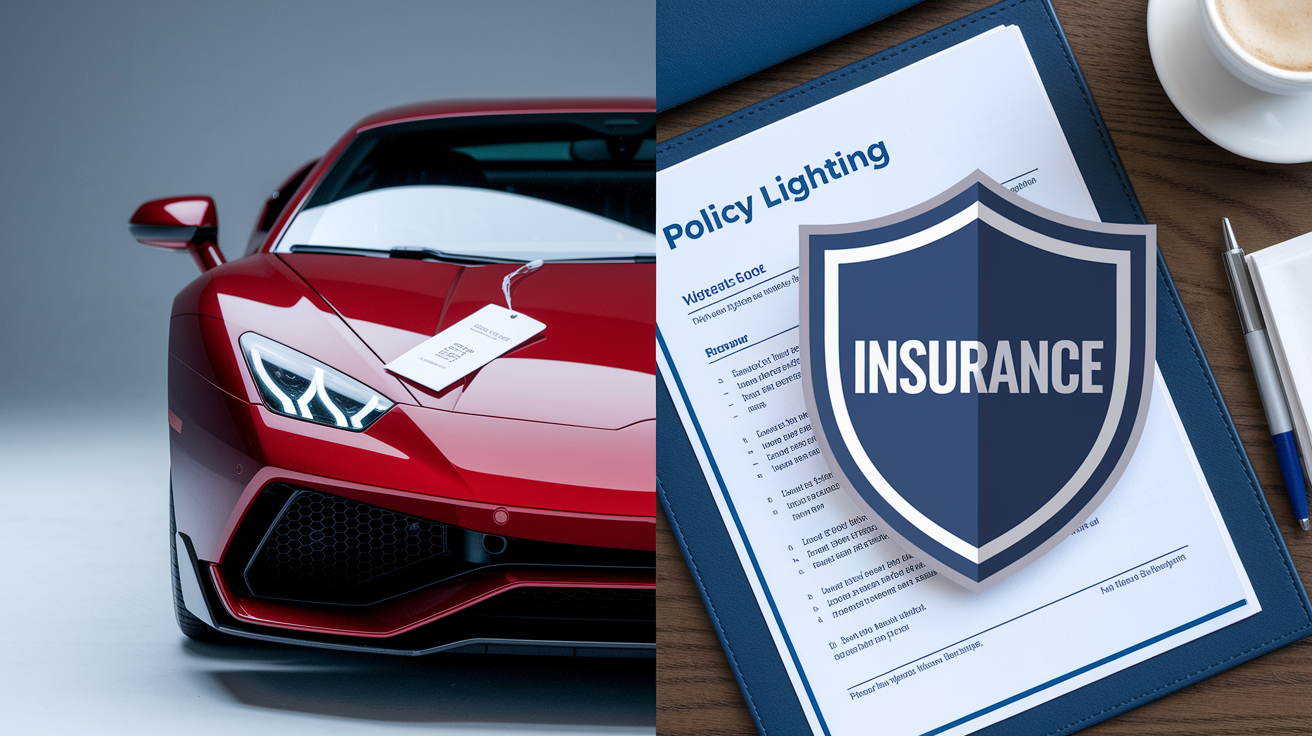
The car you drive changes what you pay, period. Luxury and sports cars cost more to fix and replace. Their parts are pricier, labor is specialized, and the whole repair bill is inflated. Repair costs have jumped something like 45% in recent years, so models that need expensive parts or tech-heavy fixes push your premium higher. Vehicles with bad safety ratings or high theft rates get priced higher because insurers expect bigger losses.
What makes your car expensive to insure:
- Costly-to-repair models (luxury brands, high-tech systems).
- Sports cars or anything with a performance engine.
- Cars with poor crash-test scores or weak safety features.
- Models that get stolen or vandalized a lot.
Theft matters more than it used to. Over a million vehicles got stolen in 2022, and if your model shows up on the “most stolen” list, your rate reflects that. On the flip side, cars loaded with safety tech, solid anti-theft systems, or cheap repair costs can earn you discounts. If your vehicle is new and expensive to fix, think hard about whether full coverage is worth what you’re paying.
Geographic and Location-Based Reasons Car Insurance Rates Increase

Where you live and park changes your price. Insurers rate by ZIP code because claim frequency, traffic jams, and theft patterns vary street by street. Moving from the suburbs to a dense city ZIP with more fender benders and car break-ins usually raises your premium even if you didn’t change a thing about your driving. Parking on the street versus in a locked garage also shows up in your rate.
Weather and regional trends swing prices hard. More hurricanes, floods, and wildfires mean more comprehensive claims and total losses in those areas, which lifts rates statewide or in targeted ZIP codes. A spike in thefts or a bad year for crashes often triggers surcharges or adjustments at the company level.
The data shows how much location matters. Maryland saw rates shift up around 55% in some measures, D.C. jumped 52%, while other states had smaller increases or even declines. That’s why two neighbors can pay wildly different premiums for the same car and driving record.
Economic and Industry-Wide Forces That Make Car Insurance Rates Go Up

Some forces sit way outside your control. Inflation and skyrocketing parts-and-labor costs have driven repair bills through the roof. Modern cars use pricier parts and tech, and there aren’t enough qualified techs to go around. Medical cost inflation pushes bodily-injury and PIP payouts higher. More severe weather means more total losses. When claim costs outrun premiums collected, insurers lose money and file for rate increases.
Market-wide behavior matters too. Theft spikes. More uninsured drivers on the road. Rising numbers of litigated claims. All of it pushes loss costs higher across the industry. Distracted driving contributes to fatal crashes and severe claims. State-level laws and regulatory changes can also shift required coverages or minimums, which changes how insurers price everyone.
Industry pressures lifting rates right now:
- Higher parts and labor costs for fixing cars.
- Rising medical expenses and litigation tied to injury claims.
- More frequent and severe weather-related total losses.
- Increased theft and more uninsured drivers boosting payout frequency.
- Insurer underwriting losses prompting rate filings and statewide hikes.
These pressures can keep pushing premiums up until something changes in the underlying trends or insurers rework their pricing models.
Personal and Life Changes That Lead to Higher Car Insurance Premiums

Life changes shift risk. Adding a teen driver can produce some of the steepest jumps because young drivers crash more often. Your age and experience shape pricing. Younger drivers pay a lot more, and very old drivers sometimes see increases tied to higher claim severity. Marital status nudges rates too. Married drivers often get discounts compared to single drivers.
Mileage and commute changes count. Return-to-office trends bumped average annual miles for many people, raising exposure and accident odds. Tell your insurer you’re driving more miles or commuting farther and your premium will likely go up. Cut your miles and qualify for a low-mileage discount? Your cost drops.
Household changes can tip the scale. Adding a second car. Moving in with roommates in a new ZIP. Switching who’s the primary driver. Insurers evaluate all of it. Keep them updated, but also ask whether certain changes unlock discounts (marriage, defensive-driving courses, mileage drops).
Insurance Lapses, Discounts, and Policy Structure Issues That Increase Premiums

Administrative slip-ups can bite you. A lapse in coverage (any gap where you didn’t have auto insurance) often triggers instant surcharges and locks you out of preferred pricing tiers. Losing discounts you earned (safe-driver, multi-policy bundling, loyalty) at renewal can look like a rate hike even when base rates stayed flat.
Watch your policy structure. Deductibles, optional add-ons, limits. Raising coverage or lowering deductibles changes your premium right away. Some insurers yank discounts when a qualifying condition ends, like moving out of a bundled home policy.
Common traps to avoid:
- Letting coverage lapse between policies.
- Dropping a bundled policy (home or renters) that gave you a multi-policy discount.
- Losing a safe-driver discount after a violation.
- Forgetting to report reduced mileage or changes that qualify for discounts.
Timing and paperwork count. If you’re switching companies, don’t let a gap open up. Ask for written confirmation of discounts and comb through renewal documents so you’re not blindsided by a missing discount.
Telematics, Usage-Based Pricing, and How Driving Behavior Affects Rate Increases

Telematics programs let insurers price you on what you actually do behind the wheel: speed, hard braking, cornering, total miles. Enroll and drive carefully and you can offset past violations or claims because the company sees you’re lower risk right now. Low-mileage or pay-per-mile programs cut premiums for people who don’t drive much.
But telematics can backfire if you don’t know what’s being tracked. Heavy braking, lots of night driving, or high average speeds captured by an app or black box can raise your rates or shrink your discount. Always ask how the program scores drivers, how long they keep the data, and whether you can bail out if it’s not working in your favor.
Thinking about telematics? Try this with your agent: “I want the program that rewards low mileage and smooth driving. What data points will you use, and how often will my rate change?”
When Car Insurance Rate Increases Are Temporary vs. Permanent
Some increases fade. Others don’t. Personal events like tickets, at-fault crashes, or a single comprehensive claim usually have a shelf life. Surcharges for violations commonly stick around for three to five years and taper off as the incident ages. Repeated claims or multiple at-fault collisions can trigger re-underwriting or nonrenewal, which feels more permanent.
Industry-level shifts can last a long time. Sustained inflation in parts and medical costs. Ongoing theft waves. New state-mandated coverages. All of it can keep rates high until the market corrects. Regulatory changes or years of insurer underwriting losses also produce persistent pricing pressure.
| Type of Increase | Likely Duration | What Helps It Reverse |
|---|---|---|
| Single ticket or minor at-fault crash | 3 to 5 years (gradual decline) | Clean driving record, defensive course |
| Industry-wide inflation / repair cost rise | Multi-year or structural | Market correction, lower inflation, insurer rate changes |
| Severe-weather claim spike in region | Temporary to multi-year | Fewer storms, insurer re-pricing, better mitigation |
How to Prevent or Reduce Car Insurance Rate Increases
You can’t control everything, but you can control the stuff that moves the needle. Shop and compare quotes at least every six months using identical coverages and deductibles. Rates vary wildly by company and underwriting model. Don’t file small claims when you can afford to pay out of pocket. Even a tiny paid claim can raise your renewal. Raise your deductible if you can handle a bigger hit, and bundle home or renters policies to snag multi-policy discounts.
Moves that actually work:
- Compare quotes every six months with the same limits and deductibles.
- Bundle auto with home or renters to earn multi-policy discounts.
- Enroll in telematics or low-mileage programs if you qualify and drive safely.
- Raise your deductibles to cut your premium when you can afford the risk.
- Keep continuous coverage to dodge lapse penalties.
- Drive carefully and finish defensive-driving courses to shrink surcharges.
Ask insurers directly for every discount you might qualify for. Good student, multi-car, anti-theft, senior. They’re often missed. If a rate jumps and you suspect a mistake (wrong fault assignment, bad mileage, expired discount), dispute it and get written proof if the company fixes the record. Real example: “When I asked for a written breakdown of the increase, the company found a mistaken prior-claim entry and adjusted my renewal.”
Keep one eye on vehicle choice too. If your car is expensive to repair or gets stolen a lot, think about whether keeping full coverage still makes sense financially. Small adjustments and regular shopping are the practical levers most drivers have to stop or limit rate increases.
Final Words
We jumped straight into what drives rate hikes: changes in personal risk—tickets, at-fault crashes, added drivers, and claims—and industry forces like rising repair and medical costs, inflation, and severe weather.
We flagged the usual traps: filing small claims, losing discounts, moving to a higher-risk ZIP, or boosting coverage without checking the price. Those choices often lead to multi-year increases.
Knowing what makes car insurance rates go up lets you act: shop regularly, avoid unnecessary claims, keep continuous coverage, and adjust deductibles. Do that, and you’ll cut surprises and keep costs steadier.
FAQ
Q: Why did my car insurance go up when nothing happened?
A: Your car insurance went up when nothing happened because insurers raise rates for reasons beyond claims: rate filings, repair and medical cost inflation, local theft or weather trends, or loss of discounts.
Q: Why did my auto insurance go up so much this year?
A: Your auto insurance went up so much this year because industry-wide cost pressures, like repair inflation, rising medical bills, more severe-weather claims, higher theft rates, and insurers’ underwriting losses, drove big rate increases.
Q: Why am I paying $400 a month for car insurance?
A: You’re paying $400 a month for car insurance because your profile or chosen coverage raises risk: age, recent tickets or claims, an expensive vehicle, low deductible, high mileage, or a high-risk ZIP code.
Q: What factors make your car insurance go up?
A: Factors that make your car insurance go up include driving record (tickets, at-fault crashes), prior claims, vehicle make and value, coverage limits and deductibles, location, annual mileage, and industry cost inflation.