




Think your renters insurance went up for no reason?
Insurance companies actually recalculated two big things each year: what they’ll pay in claims and what it costs to run the business.
A 2024 Federal Reserve Bank of Philadelphia report found many more policyholders saw year-over-year increases than decreases.
In plain terms: rate hikes are widespread, not a one-off.
This post breaks down the real drivers: rising replacement costs, neighborhood crime and claims, climate and catastrophe losses, insurer reinsurance bills, and personal choices that trigger surcharges.
You’ll know what to check at renewal.
Core Reasons Renters Insurance Premiums Rise Each Year

Renters insurance premiums climb every year because insurers are constantly recalculating two things: how much they’ll pay in claims, and what it costs to keep the lights on. A 2024 Federal Reserve Bank of Philadelphia report found that 23.5 percentage points more policyholders saw year-over-year increases than decreases. Translation? Rate hikes are everywhere, not just your building.
The national average sits around $171 a year. But plenty of renters watch that number creep higher every renewal.
What’s pushing it up? Inflation makes replacing your stolen laptop or fire-damaged couch more expensive. Severe weather keeps forcing insurers to file rate increases with state regulators. Local crime and fire trends trigger ZIP-code adjustments. And reinsurance bills (what insurers pay to protect themselves from catastrophic losses) have spiked after recent hurricanes, wildfires, and floods.
Then there’s your personal stuff. File a claim, bump your coverage limits, or let your credit score slip? You might see a surcharge or lose discounts. Even if you didn’t change a thing, your insurer can apply a company-wide rate adjustment that shows up as a higher renewal premium.
Five primary triggers for annual renters insurance increases:
- Inflation in materials and labor that raises the cost to replace damaged or stolen belongings
- Local claims frequency and severity in your ZIP code or building type
- Catastrophe losses from hurricanes, wildfires, severe storms, floods
- Insurer rate filings approved by state regulators to cover rising expenses and reinsurance
- Personal rating factors like claims history, credit score, coverage-limit changes
How Inflation and Rising Replacement Costs Influence Annual Renters Insurance Increases
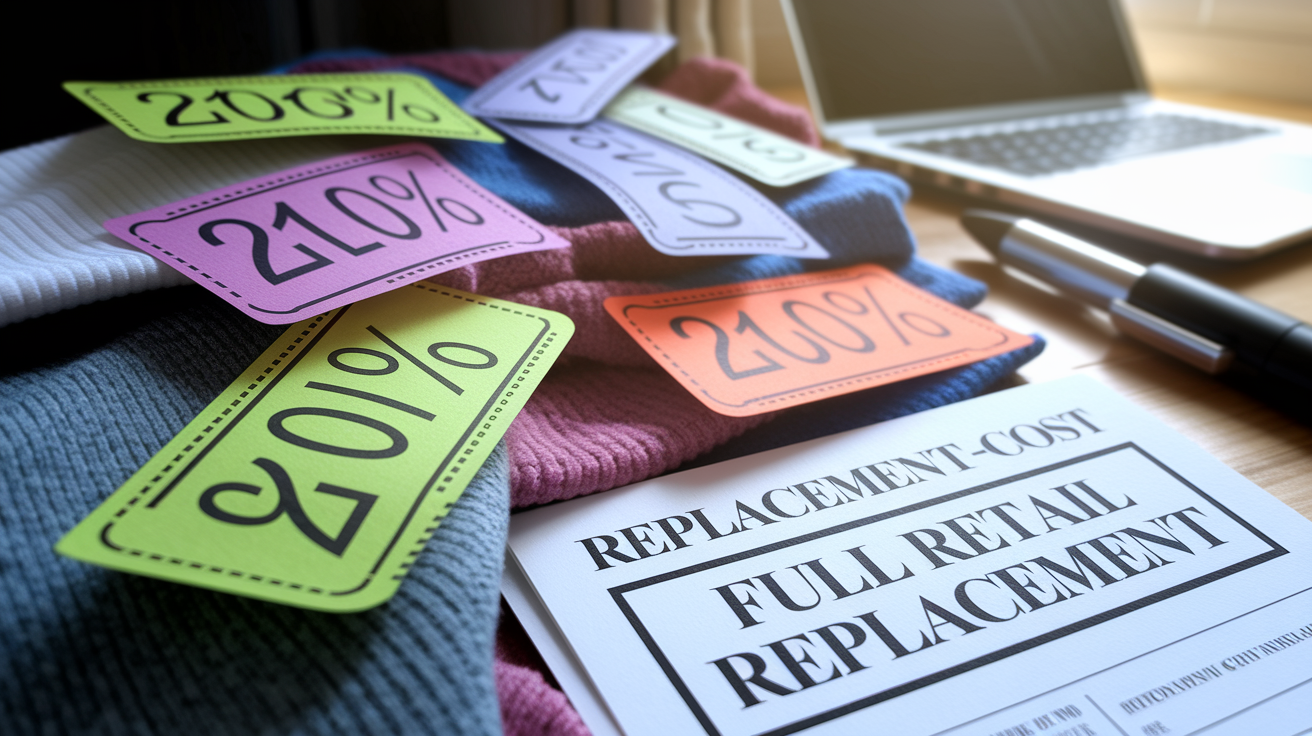
Inflation doesn’t just hit your grocery bill. It directly increases what insurers pay to replace a stolen laptop, a closet full of clothes, or furniture destroyed by fire. The average renters claim runs about $10,000. When replacement costs for consumer goods rise even 5 to 10 percent, insurers need to collect more premium to cover the same policy. Construction labor shortages and supply-chain disruptions over the past few years made building materials, electronics, and home furnishings more expensive, and those costs flow straight into renewal pricing.
Replacement-cost endorsements magnify the effect. If you carry replacement-cost coverage instead of actual-cash-value coverage, the insurer pays full retail for new items without depreciation. That’s better for you at claim time, but it means the insurer’s expected payout rises faster when retail prices climb. Insurers file inflation-driven rate increases with state regulators by showing loss-trend data. Those filings often result in modest annual hikes across the board.
Four inflation-driven cost increases that raise renters premiums:
- Construction materials and labor pushing up the cost to repair or replace furniture and fixtures
- Electronics replacement costs rising due to chip shortages, freight delays, new model pricing
- Clothing, bedding, household-goods prices climbing with general consumer-price inflation
- Insurers filing annual inflation adjustments based on loss-cost trends and economic forecasts
How Claims, Crime Trends, and Neighborhood Risk Drive Annual Renters Insurance Rate Changes

Theft accounts for nearly one in five renters insurance claims—about 20 percent. The average loss sits around $10,000. When break-ins, vandalism, or package theft spike in a neighborhood, insurers raise premiums in those ZIP codes to match the higher expected payout. They use territorial rating, which means renters in high-crime areas pay more than renters in low-crime suburbs even when both have identical coverage.
Detroit’s a stark example. Renters there pay roughly 260 percent above the national average, driven by elevated crime rates, frequent fire incidents, and climate hazards. Compare that to cities like Rapid City, South Dakota, where low crime and fewer catastrophe claims keep premiums well below the U.S. average. Your building’s claims history matters too. If your apartment complex filed multiple water-damage or theft claims, everyone in that building may see a rate adjustment at renewal.
Insurers track claims frequency (how often claims happen) and claims severity (how much each claim costs). If either metric trends upward in your area, your renewal notice will reflect it. That’s why two renters with identical policies can pay wildly different premiums if one lives in a ZIP code with twice the theft rate.
Climate Events, Catastrophe Losses, and Weather Trends Affecting Annual Renters Insurance Rates

In 2024, 66.8 percent of renters who filed claims attributed the loss to a natural disaster or weather event. Hurricanes, tornadoes, hailstorms, wildfires, floods. That share’s grown over the past decade as climate patterns shift and severe-weather seasons become more expensive. States with the highest average premiums? Mississippi at $262 per year, Louisiana at $243, Alabama at $219, Oklahoma at $216. All sit in zones with frequent hurricanes, tornadoes, or severe storms.
When insurers pay out billions in catastrophe claims, they turn to reinsurance markets to recover part of the loss. Reinsurance costs have climbed sharply after recent Atlantic hurricane seasons and California wildfire years. Insurers pass those costs down to policyholders through annual rate increases. Some carriers have tightened underwriting in exposed ZIP codes, declined to renew high-risk buildings, or simply exited entire states. Fewer competitors, higher prices for renters who remain.
Catastrophe modeling firms regularly update loss forecasts based on new climate data, development patterns, building codes. When models show higher expected losses in a region, insurers file rate increases with state regulators to stay solvent. Your premium can rise even if you’ve never filed a claim. You’re sharing the cost of catastrophe risk across the insurer’s entire book of business.
| Region | Primary Climate Driver | Effect on Premiums | Example Cost |
|---|---|---|---|
| Gulf Coast (MS, LA, AL) | Hurricanes, flooding, severe storms | Highest U.S. averages due to frequent catastrophic claims | $243–$262/year |
| Tornado Alley (OK, AR, TX) | Tornadoes, hail, wind damage | Elevated premiums from seasonal severe-weather losses | $199–$216/year |
| California urban corridors | Wildfires, earthquakes (not covered in standard policy) | Moderate increase; wildfire smoke and displacement drive claims | ~$16/month (~$192/year) |
| Northern Plains (SD, WY) | Low catastrophe frequency, rural building stock | Below-average premiums; fewer weather-related claims | Well below national average |
Individual Factors That Can Cause Your Renters Insurance to Rise at Renewal

Filing a claim’s the fastest way to trigger a surcharge at renewal. Even a single theft or fire claim can add 10 to 25 percent to your next premium, depending on your insurer’s loss-free discount structure and state regulations. Insurers view a recent claim as a signal of higher future risk. They adjust your rate tier or remove claim-free discounts you previously enjoyed.
Coverage decisions you make also drive annual increases. Raising your personal-property limit from $15,000 to $50,000 triples your premium baseline. Adding endorsements? Jewelry floaters, water-backup coverage, identity-theft protection, earthquake or flood riders. Each carries separate charges that compound at renewal. Even automatic inflation-guard endorsements, which increase your limits each year to keep pace with rising replacement costs, will quietly lift your premium without any action on your part.
Six personal factors that can raise your renters insurance premium at renewal:
- Claims history – Filing a claim, especially multiple claims in three years, triggers surcharges or removes discounts
- Deductible selection – Lowering your deductible from $1,000 to $500 raises your premium because the insurer takes on more of each loss
- Credit-based insurance score – A drop in credit score (due to missed payments, high balances, collections) can increase your rate tier in most states
- Personal-property coverage limits – Requesting higher limits to cover more belongings increases the insurer’s maximum exposure and your premium
- Endorsement add-ons – Scheduled personal property (jewelry, art, cameras), water backup, identity theft, pet-liability riders each add cost
- Occupancy factors – Moving to a building with a claims history, shared occupancy, or older construction can shift your risk profile and pricing
Geographic Pricing Differences and Why Some Areas See Larger Yearly Renters Insurance Increases

Where you live determines a huge chunk of your renters insurance premium. Mississippi renters pay an average of $262 per year, while Delaware renters pay far less, often half that figure. Insurers price each ZIP code based on local theft rates, fire-department response times, catastrophe exposure, building age, historical claims. California cities like Chula Vista, San Diego, San Jose, and Irvine average around $16 per month. Yet California residents overall pay about $38 more per year than the national average, illustrating how even intrastate variation can be wide.
Market competition matters. In states where multiple carriers compete aggressively, rate increases tend to be smaller and renters can shop around easily. When insurers exit a state or merge with competitors? The remaining carriers face less pressure to hold rates down, and annual increases can accelerate. State insurance departments review and approve rate filings, but their willingness to push back varies. Some states cap increases or require detailed actuarial justification, while others allow insurers more pricing freedom.
Insurer pullouts and market tightening have hit coastal and wildfire-prone areas especially hard. When a major carrier stops writing new business or non-renews existing policies in a region, renters must find coverage elsewhere, often at higher prices from residual-market or specialty insurers. That dynamic turns geographic risk into a compounding pricing problem. You don’t just pay more because of local hazards. You also pay more because fewer insurers want your business.
When Renters Insurance Increases Are Normal vs When They May Be Excessive
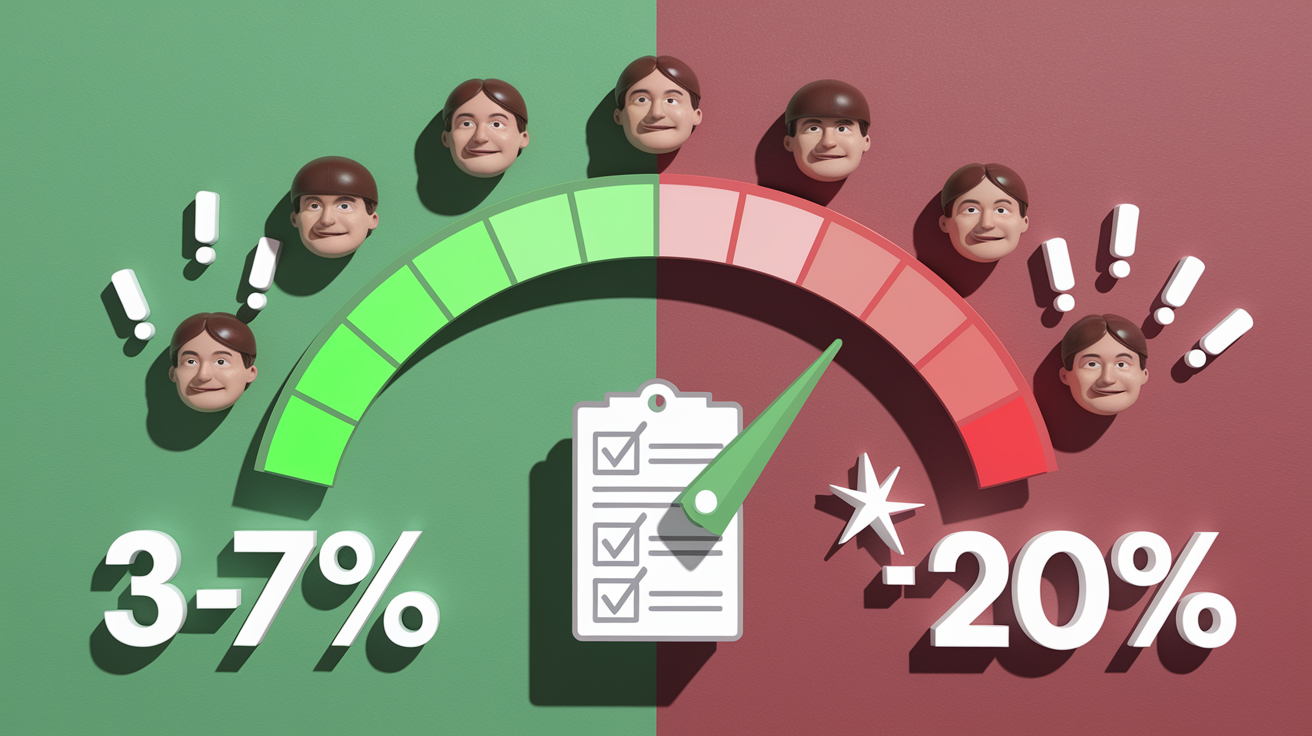
Most renters see small, steady increases each year tied to inflation, regional loss trends, or company-wide rate adjustments approved by state regulators. An increase of 3 to 7 percent annually is common. It usually reflects rising replacement costs, higher reinsurance bills, or adjustments to local claims frequency. If your insurer can point to documented inflation data, catastrophe losses in your state, or regulatory filings that apply to all policyholders, the increase is likely within normal actuarial practice.
Excessive increases? Sudden jumps of 15 percent or more without a recent claim, coverage change, or clear regional loss driver deserve scrutiny. If your premium doubles or triples while neighbors with the same insurer see modest hikes, that’s a red flag. Request an itemized explanation from your insurer showing what changed: rate tier, coverage limits, endorsements, discounts removed, credit-score impact. Compare your new quote against at least three competitors to see if the jump is insurer-specific or market-wide.
If the increase feels unjustified and your insurer won’t provide a satisfactory explanation, file a complaint with your state insurance department. Regulators review rate filings and can investigate whether an insurer applied approved rates correctly or whether the filing itself was actuarially sound. In many cases, a formal complaint prompts the insurer to re-review your account and correct errors. Misapplied discounts, incorrect building classifications, data-entry mistakes that inflated your premium.
Normal annual increase indicators:
- Modest percentage hikes (3 to 7%) tied to documented inflation or regional loss trends
- Company-wide rate adjustments filed with and approved by state insurance regulators
- Increases that align with competitor pricing in your ZIP code and building type
- Clear explanations linking the increase to recent catastrophe seasons or reinsurance costs
- Your rate change matches what other policyholders in your area are experiencing
Potentially excessive increase red flags:
- Sudden jumps exceeding 15 to 20% without a claim, coverage change, or move
- Large premium hikes that far exceed competitor quotes for identical coverage
- Insurer unable or unwilling to itemize what changed or which rate factors drove the increase
- Your increase is substantially higher than neighbors with the same insurer and similar policies
- Pattern of annual double-digit hikes over multiple years with no corresponding loss activity
Practical Ways Renters Can Reduce or Prevent Annual Renters Insurance Increases

Shopping around is the single most effective tactic. Get quotes from at least three carriers, ideally mixing national brands, regional mutuals, and direct-to-consumer insurers, using identical coverage limits and deductibles. Insurers price the same risk differently. A competitor may offer 20 to 40 percent savings even when your current insurer files a justified rate increase. Use those quotes to negotiate with your current carrier or simply switch if the savings outweigh any loyalty perks.
Raising your deductible from $500 to $1,000 or $2,000 can cut your premium by 10 to 25 percent. The trade-off? A higher out-of-pocket cost if you file a claim, so make sure you can cover the deductible from savings. Bundling renters insurance with auto or life insurance through the same carrier unlocks multi-policy discounts that often exceed 10 percent. Ask about every available discount. Smoke detectors, monitored alarm systems, sprinklers, paperless billing, autopay, paid-in-full annual payment, claims-free history, affinity groups like credit unions or alumni associations.
Improving your credit score can lower your premium in most states. Insurers use credit-based insurance scores to predict claim likelihood. Even a modest score improvement (paying down balances, correcting errors, avoiding late payments) can shift you into a lower rate tier at renewal. Avoid filing small claims. If the loss is only a few hundred dollars above your deductible, paying out of pocket preserves your claims-free discount and prevents future surcharges.
Seven practical ways to reduce or prevent annual renters insurance increases:
- Shop and compare quotes annually from at least three carriers using identical coverage limits and deductibles
- Raise your deductible to $1,000 or higher if you can afford the out-of-pocket expense at claim time
- Bundle renters + auto (or other policies) with one insurer to unlock multi-policy discounts of 10 to 25%
- Ask for all available discounts including smoke detectors, monitored alarms, paperless billing, autopay, paid-in-full
- Improve your credit score by paying bills on time, reducing balances, correcting report errors
- Avoid filing small claims to preserve claims-free discounts and prevent surcharges
- Document belongings with a home inventory to avoid disputes, streamline claims, resist the temptation to over-insure
Three-step quote-comparison process:
- Gather current policy details – coverage limits (personal property, liability, additional living expense), deductible, endorsements, current premium
- Request identical quotes from competitors – provide the same limits, deductible, endorsements so pricing is apples-to-apples; ask each insurer to itemize available discounts
- Compare total annual cost and coverage features – check policy exclusions, claim-service ratings, financial strength; switch if savings exceed any cancellation fees and you’re comfortable with the new carrier
Understanding Coverage Choices That Can Increase Your Renters Insurance Premium Annually

Replacement-cost coverage pays the full retail price to replace damaged or stolen belongings without depreciation, while actual-cash-value coverage deducts wear-and-tear before paying. Replacement cost costs more, typically 10 to 20 percent higher premiums, but it avoids the unpleasant surprise of receiving half the item’s value because your three-year-old laptop depreciated. As retail prices climb with inflation, replacement-cost policies see faster premium growth because the insurer’s maximum payout rises in lockstep with store prices.
Inflation-guard endorsements automatically increase your personal-property limit each year by a set percentage (often 3 to 5 percent) to keep pace with rising replacement costs. That’s helpful to prevent underinsurance, but it also guarantees a small annual premium increase even if you haven’t bought new belongings. Scheduled personal-property endorsements for jewelry, art, cameras, or collectibles add separate per-item premiums based on appraised value. Those endorsements compound at renewal when appraisals rise.
Specialty coverages (flood, earthquake, water backup, identity theft, expanded pet liability) each carry additional premiums. Landlords can’t legally require you to buy flood or earthquake insurance as a lease condition, but if you choose to add them, expect meaningful cost increases. Water-backup coverage (for sewer or sump-pump failures) is inexpensive, usually $20 to $40 per year. Earthquake or flood policies can double your total renters premium depending on your location.
Four coverage enhancements that commonly raise renters insurance premiums:
- Replacement-cost endorsement instead of actual-cash-value settlement: adds 10 to 20% but avoids depreciation at claim time
- Scheduled personal property for high-value items (jewelry, art, cameras): separate per-item premiums based on appraised value
- Inflation-guard endorsement: auto-increases limits annually by 3 to 5%, guaranteeing modest premium growth each year
- Specialty coverages (flood, earthquake, water backup, identity theft, pet liability): each adds separate charges that compound at renewal
Final Words
If your renewal came with a higher bill, don’t panic. Most increases trace to inflation, local claim trends, weather-driven catastrophes, insurer rate filings, or changes you made to the policy.
This article walked through those causes, showed how geography and personal choices matter, and gave practical steps to lower or push back on hikes.
Knowing why renters insurance goes up annually lets you ask smarter questions, compare quotes, and use discounts or higher deductibles to cut costs. Do those three things and you’ll usually keep coverage that works when it counts.
FAQ
Q: Why does my renters insurance go up every year?
A: Your renters insurance goes up every year because insurers raise rates for inflation, higher replacement costs, more severe-weather and catastrophe claims, local loss trends, and personal factors like claims or weaker credit scores.
Q: How much is $100,000 renters insurance a month?
A: A $100,000 renters insurance policy typically costs roughly $10–40 per month, depending on location, deductible, coverage choices, and your claims or credit history; get quotes to see your exact price.
Q: How much will insurance premiums go up in 2026?
A: Insurance premiums in 2026 will likely rise with inflation, catastrophe losses, and higher reinsurance costs; expect typical increases around 5–15%, while jumps over 20% are a red flag to question.
Q: How much does $300,000 renters insurance cost?
A: A $300,000 renters insurance policy usually costs about $25–100 per month, varying by zip code, deductible, endorsements, and claims history—compare multiple quotes and ask insurers how limits affect price.