



Smart ticketing has become a cornerstone of modern transportation and event access systems, reshaping how people move through cities, venues, and transit networks. By replacing paper-based tickets with digital, contactless, and account-based methods, smart ticketing improves efficiency, reduces friction for users, and enables operators to better understand travel behavior. From urban metros and buses to railways, parking systems, and large-scale events, smart ticketing is increasingly viewed as an essential component of connected mobility ecosystems.
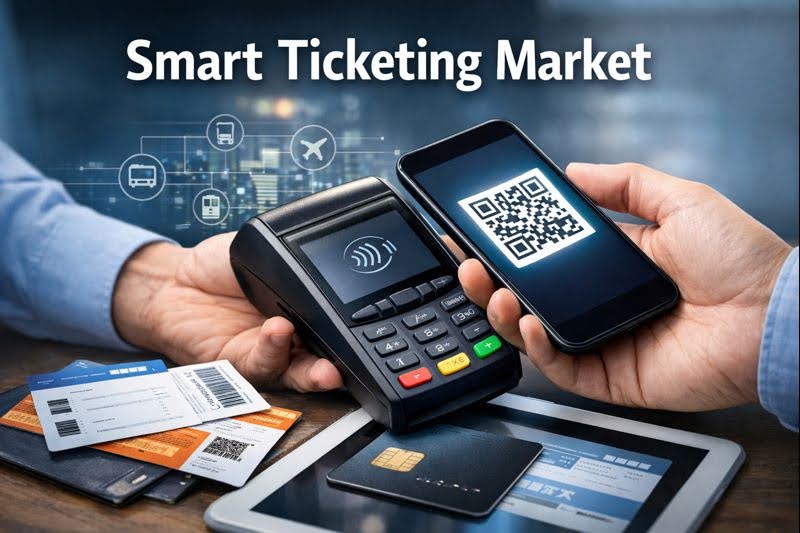
At its core, smart ticketing leverages technologies such as contactless cards, mobile wallets, QR codes, and near-field communication to enable faster and more secure fare collection. These systems are designed to streamline entry and exit, minimize queuing, and support seamless multimodal travel. As cities grow and passenger volumes rise, the need for scalable and interoperable ticketing platforms has pushed operators to move beyond traditional fare systems toward more intelligent, data-driven models.
The companies leading the smart ticketing space are focused on building platforms that can operate across transport modes and geographic boundaries. Their innovations support open-loop payments, account-based ticketing, and real-time fare validation, helping transport authorities modernize legacy infrastructure while keeping user experience at the center. Interoperability is a major priority, as travelers increasingly expect the same ticket or device to work across buses, metros, suburban rail, and even shared mobility services.
Smart ticketing is also playing a critical role in sustainability efforts. By reducing the reliance on paper tickets and enabling optimized route planning through data insights, these systems contribute to lower operational waste and more efficient network management. Additionally, digital ticketing supports policy goals such as congestion management and equitable access, allowing authorities to design flexible fare structures based on time, distance, or demand patterns.
Smart Ticketing Market was valued at USD 13.94 billion in 2025E and is expected to reach USD 41.70 billion by 2033, growing at a CAGR of 14.68%. This strong growth reflects the accelerating adoption of digital fare systems across both developed and emerging economies. Rapid urbanization, rising public transport usage, and government-led smart city initiatives are key factors supporting market expansion. Transport authorities are increasingly prioritizing long-term digital transformation strategies, which include upgrading fare collection systems to improve operational transparency and passenger satisfaction.
The market’s growth trajectory is also influenced by the rising penetration of smartphones and contactless payment methods. As consumers become more comfortable with mobile payments in retail and banking, expectations carry over into public transport and event access. This shift is encouraging operators to adopt flexible ticketing models that align with changing commuter behavior. At the same time, investments in transport infrastructure modernization are creating opportunities for smart ticketing platforms to be deployed at scale, particularly in rapidly growing urban corridors.
Smart ticketing is expected to evolve alongside broader mobility and digital infrastructure trends. Integration with real-time passenger information systems, mobility-as-a-service platforms, and urban data networks will further enhance its value proposition. Rather than functioning as a standalone system, smart ticketing is becoming an integral layer within connected transport ecosystems, enabling smoother journeys and more informed decision-making for both users and operators.
In conclusion, smart ticketing represents a fundamental shift in how access and payments are managed across transportation and public venues. The leading companies in this space are shaping a future where travel is more seamless, efficient, and user-centric. As adoption continues to grow worldwide, smart ticketing will remain a key enabler of digital mobility and smarter urban living.